
Womens hiking shorts fail in quiet, annoying ways long before they fail in dramatic ones. In OutdoorGearLab’s controlled dry-time test of 13 women’s pairs, the fastest shorts dried in 22 minutes and the slowest took 85, nearly four times longer. That gap is the difference between shorts that feel fine after a creek crossing and shorts that stay clammy until lunch.
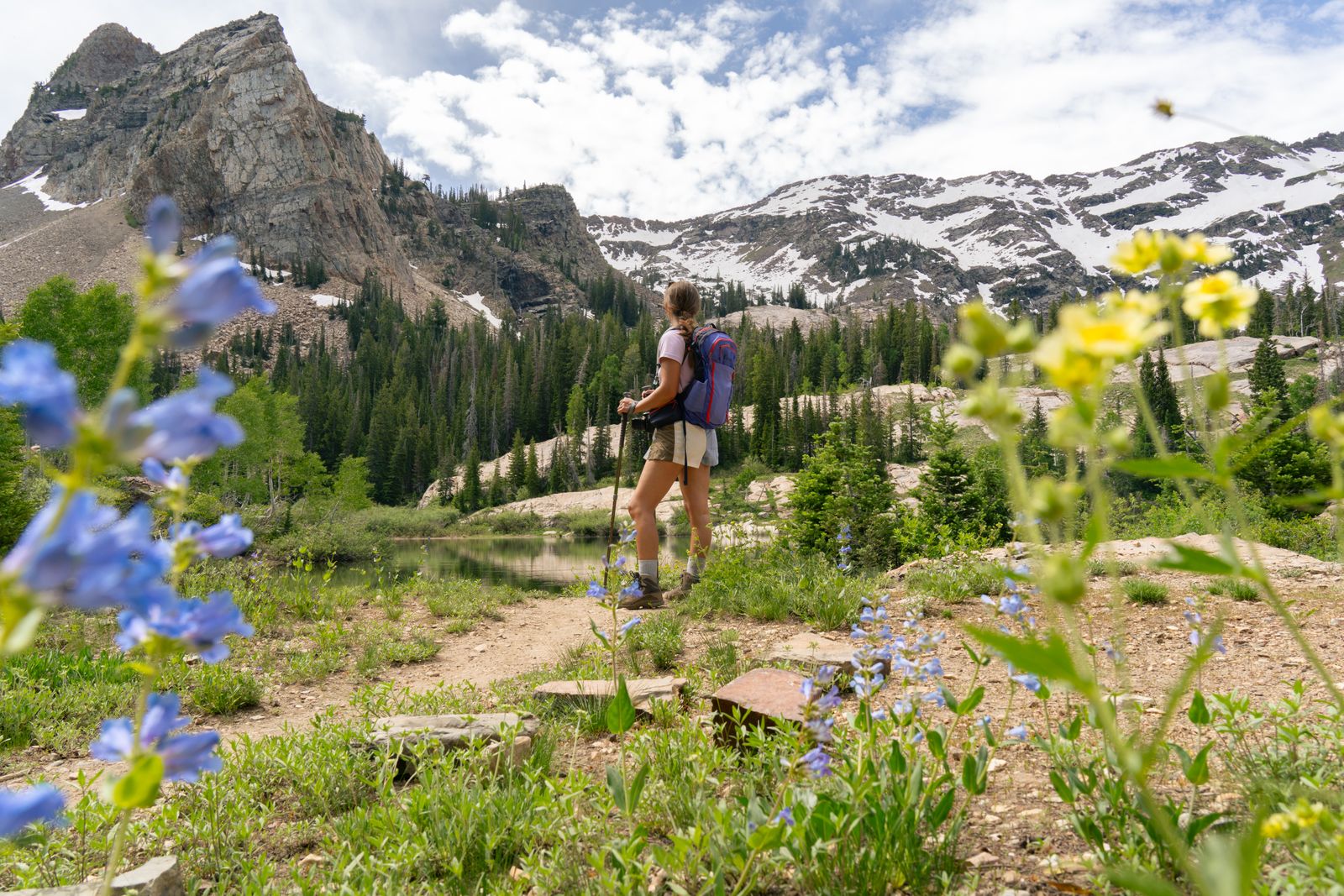
Dry time is only one of the hidden variables. Inseam length decides whether your thighs chafe. The waistband decides whether you spend the day tugging. Pockets decide whether your phone lives in your hand or rides safely against your leg. And almost none of this shows up clearly on a product page.
This guide pulls it together. You’ll find 10 proven picks with specs side by side, a plain-English guide to inseam and fabric, what a woman should wear hiking from head to toe, the 10 essentials to pack, and practical tips for hiking in shorts.
Why Womens Hiking Shorts Are Harder to Buy Than They Look
Buying womens hiking shorts sounds simple until the first pair rides up on a steep step or gapes at the back under a hip belt. Women’s bodies vary far more in waist-to-hip ratio and thigh shape than a size chart can capture, and brands cut their ladies hiking shorts very differently.
The reviewers who test the most pairs say the same thing. Live For The Outdoors notes that no single design suits every body shape, which is why their tests span many cuts. BASE magazine’s tester found that the same “Medium” fit loose in one brand and snug in another.
What actually separates good shorts from bad ones
After comparing the published test results, the same five factors keep deciding which womens hiking shorts people love:
- Inseam length: controls chafing, coverage and how the shorts move on big steps
- Fabric and stretch: decides breathability, dry time and snag resistance
- Waistband design: an elastic band, a drawcord or an integrated belt each fit differently under a pack
- Pockets: depth and closures matter more than the count
- Weather extras: UPF ratings and water-repellent finishes help in sun and showers
Every pick later in this guide is judged against those five. If a pair nails four of them for your body and your trails, it’s a winner, whatever the price tag says.
Who this guide is for
This guide is written for day hikers, backpackers and travelers who want one or two reliable pairs of womens hiking shorts rather than a drawer full of near misses. It covers warm forest walks, exposed desert trails, alpine scrambles and the everyday walk that turns into a longer outing.
If you also hike in strong sun, pair your shorts with a breathable top. Our guide to the Best Hiking Hoodie: 10 Amazing Sun Hoodies for Men and Women covers the upper half of a hot-weather outfit in the same depth.
What Should a Woman Wear When Hiking?
A good hiking outfit is a system, and womens hiking shorts are only one layer of it. The aim is simple: stay dry next to the skin, protected from sun and brush, and ready for a sudden drop in temperature.
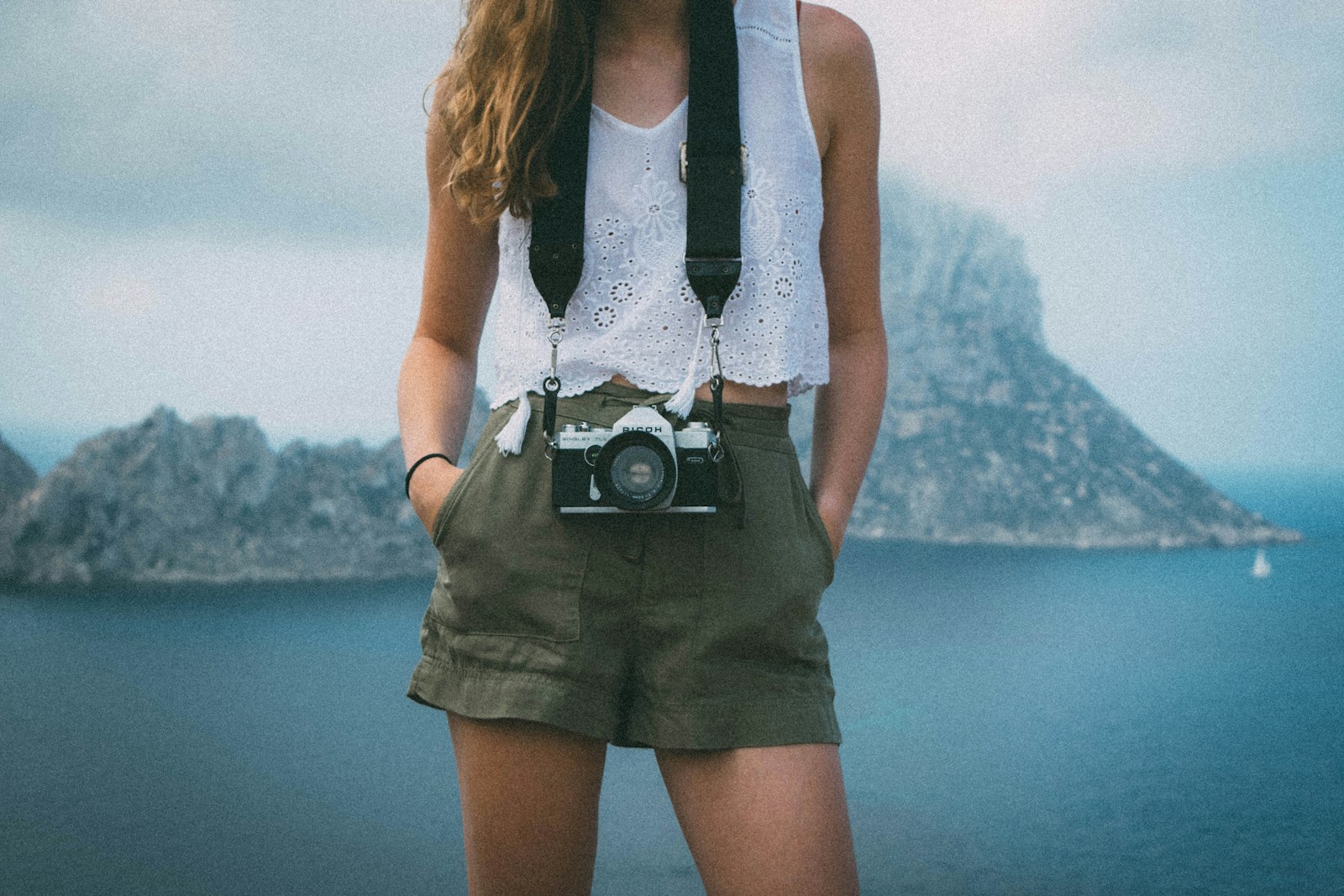
The warm-weather hiking outfit
For most summer day hikes, this combination works well:
- Bottoms: quick-dry womens hiking shorts, a skort or bike-style short tights
- Underwear: synthetic or merino briefs, or shorts with a built-in liner
- Sports bra: a moisture-wicking bra with wide, flat straps that sit comfortably under a pack
- Top: a light-colored synthetic tee, tank or sun hoodie
- Head and eyes: a cap or brimmed hat and UV-blocking sunglasses
- Feet: trail runners or hiking shoes with wool or synthetic socks
- In the pack: a wind or rain jacket and a warm layer, even in summer
Skip cotton next to your skin. It soaks up sweat, dries slowly and rubs. Live For The Outdoors found that a pair of bamboo-cotton shorts felt lovely but struggled once wet, which is the classic natural-fiber trade-off on the trail.
When to choose pants instead of shorts
Even the best hiking shorts are not always the right call. Choose long hiking pants or leggings when you’ll push through dense brush, poison oak or tall grass with ticks, when the forecast swings cold above treeline, or when local dress norms call for more coverage.
A New Hampshire Fish and Game official recently warned that summer hikers in shorts often get caught out when wind above treeline drops the temperature fast. A light pair of pants or tights in your pack solves that problem for a few ounces.
Layering shorts for cool mornings
Ladies hiking shorts can still work in shoulder season. Start in thin leggings or tights under your shorts, then strip the base layer at the first rest stop once you warm up. Many hikers keep long johns in the pack for camp, which turns the same shorts into a three-season system.
What Kind of Shorts to Wear Hiking: Styles Explained
The best hiking shorts for you depend on how you hike. Brands now sell at least six distinct styles of womens hiking shorts, and each one solves a different problem.
Classic trail shorts (4 to 7 inch inseam)
This is the most common style of trekking shorts womens hikers buy: a nylon or polyester blend with some stretch, an elastic or belted waist and three to six pockets. Shorts like the REI Co-op Trailmade and Outdoor Research Ferrosi sit here. They suit most day hikes and backpacking trips, and they look normal in town.
Bermuda and long shorts (9 to 11 inch inseam)
Longer womens hiking shorts cover more of the thigh, which prevents inner-thigh chafing and adds sun and scratch protection. The Mountain Hardwear Dynama Bermuda, at 9 inches, won OutdoorGearLab’s top award partly because the length didn’t limit movement. The tester could even fit a climbing harness over them without bunching.
Cargo shorts
Cargo designs add thigh pockets, often zippered, for maps, snacks and phones. They’re great for hikers who don’t like stopping to open a pack. The trade-off is extra weight and fabric: the Kuhl Trekr 11-inch cargo weighed 9 ounces in testing, roughly twice a minimalist pair.
Running-style shorts with a liner
Trail-running shorts with a built-in brief, such as the Patagonia Multi Trails or Strider Pro, are the lightest option, and they’re the hiking shorts women often reach for on hot days. Live For The Outdoors measured the Strider Pro at just 88 grams and called it its top choice for days above 30°C. The liner reduces chafing and replaces cotton underwear.
Bike shorts, short tights and skorts
Fitted short tights, like the Fjallraven Abisko Short Tights and Montane Ineo Lite, have become popular because they never ride up and they stop thigh rub completely. Skorts add a skirt panel over a short for airflow and coverage. Both trade pocket space and durability for fit.
Convertible and roll-up shorts
Zip-off pants and roll-up hems give you two lengths in one garment. They suit trips with big temperature swings. Live For The Outdoors noted they can feel awkward and limit flexibility if the fit isn’t right, so try them before a long trip.
How to Choose Womens Hiking Shorts
Once you know the style you want, five details decide whether a pair of womens hiking shorts works for you. Here’s what to check, in order of importance.
Inseam length: the chafing decision
Inseam is the distance from the crotch seam to the hem. It matters more than any other spec, because it decides coverage, chafing and how freely you move.
| Inseam | Best for | Watch out for |
|---|---|---|
| 2.5–4 in | Very hot days, trail running, fast hiking | Inner-thigh chafing, less sun and scratch protection |
| 5–7 in | Most day hikes and backpacking | Can ride up on curvier thighs |
| 9–11 in | Chafe-prone hikers, brushy trails, sun protection | Slightly warmer, heavier |
Live For The Outdoors found 5 to 8 inches the best compromise for most hikers, with 3 inches working well in real heat. If your thighs rub, go long or wear a liner or short tights underneath.
Fabric and stretch
Most good womens hiking shorts use nylon or polyester with 4 to 14 percent spandex or elastane. Nylon is tougher and resists snags; polyester usually dries faster and costs less. More spandex means more stretch for high steps, but it can slow drying.
Check for four-way stretch, a gusseted crotch (a diamond-shaped panel that frees your stride) or an articulated cut. Helly Hansen’s Tinden Light, tested by BASE, used both and earned praise for mobility on rough scrambles.
Waistband and fit under a pack
A wide, flat elastic waistband with an internal drawcord sits comfortably under a hip belt. Integrated webbing belts, like the Ferrosi’s, help if you’re between sizes. Snaps, buttons and metal buckles can press into your hips under a heavy pack, so try the shorts with your loaded pack on if you can.
Look at rise too. High-rise shorts sit above the hip belt and stop the dreaded waistband-gap at the back. Mid-rise shorts are cooler but can slip below a pack’s hip belt.
Pockets that actually hold a phone
On ladies hiking shorts, pocket count is less important than depth and security. A front pocket should swallow a modern phone without it sliding out when you sit down. At least one zippered pocket keeps keys and cards safe on scrambles.
The REI Co-op Trailmade’s front pockets reach almost to the hem of its 5-inch inseam, the largest OutdoorGearLab’s tester had seen in a hiking short. Montane’s Ursa, on the other hand, had hip pockets so shallow that BASE’s tester feared a phone would fall out.
UPF, water resistance and dry time
Most technical womens hiking shorts now carry a UPF 50+ rating, which matters for the backs of your thighs on exposed trails. A durable water repellent (DWR) finish helps shed light rain and splashes. Look for “PFC-free” or “PFAS-free” DWR if you care about environmental impact.
Dry time is the spec brands rarely publish. That’s why independent tests are so useful: OutdoorGearLab timed every pair after soaking it, and the results varied from 22 to 85 minutes.
10 Best Hiking Shorts for Women, Tested and Compared
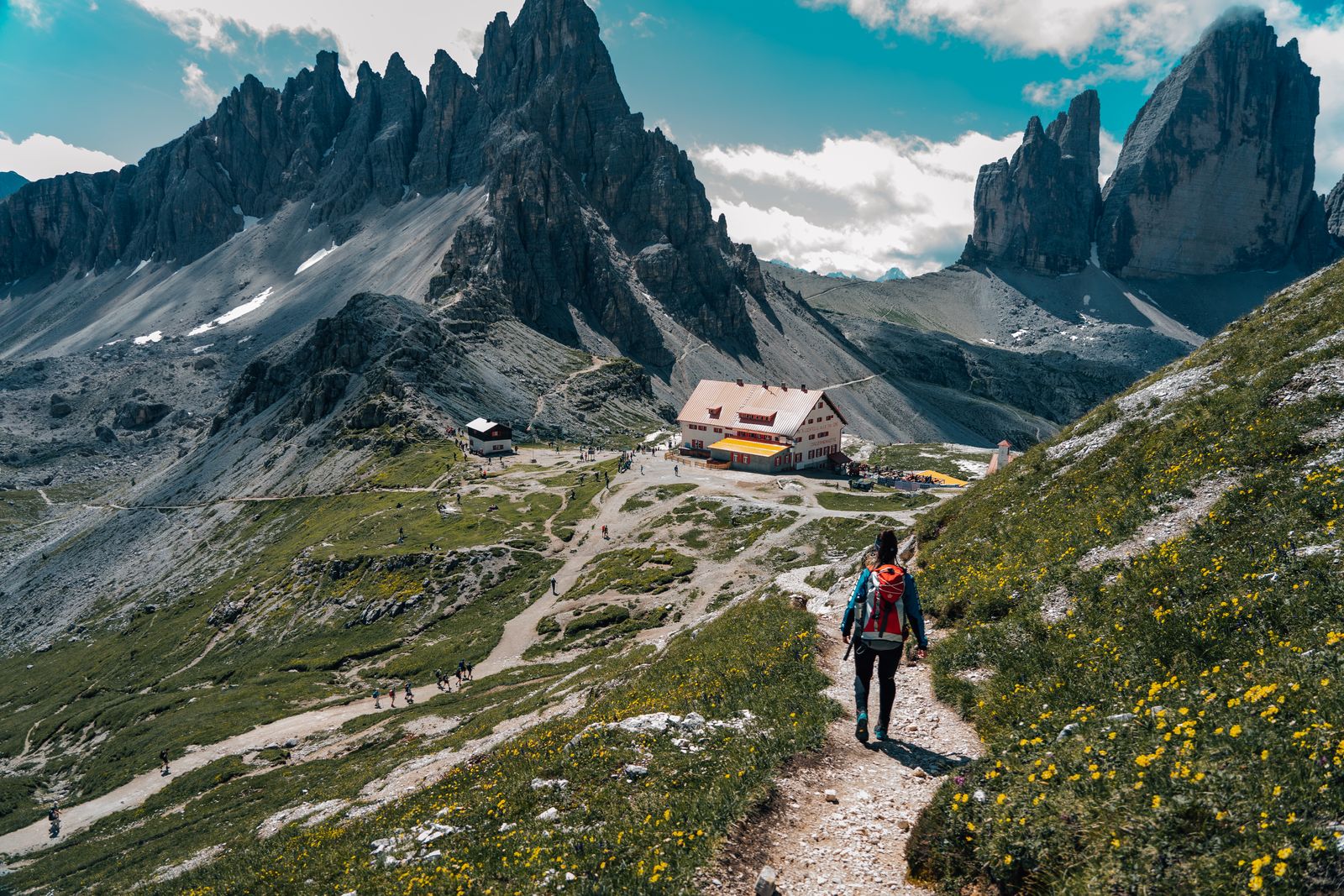
The best hiking shorts below come from cross-checking manufacturer specs with published tests from experienced reviewers: Sara Aranda’s lab and trail testing of 13 pairs for OutdoorGearLab, Fliss Freeborn’s field tests in Croatia, Spain and the UK for Live For The Outdoors, and Hannah Mitchell’s Lake District tests for BASE magazine. Prices are typical list prices and change often with sales.
Quick comparison table
| Shorts | Inseam | Main fabric | Weight | Pockets | Dry time* | List price |
|---|---|---|---|---|---|---|
| Mountain Hardwear Dynama Bermuda | 9 in | 94% nylon, 6% elastane | 4.5 oz (128 g) | 4 | 41 min | $89 |
| REI Co-op Trailmade | 5 in | 94% nylon, 6% spandex | 4.9 oz (139 g) | 6 | 38 min | $50 |
| Outdoor Research Ferrosi | 5, 7 or 9 in | 86% nylon, 14% spandex | 7.2 oz (204 g) | 4 | 56 min | $90 |
| Patagonia Multi Trails | 5.5 in | 90% recycled polyester, 10% spandex | 4.2 oz (119 g) | 3 | 53 min | $75 |
| REI Co-op Active Pursuits | 4 in | 86% recycled polyester, 14% spandex | 3.9 oz (111 g) | 1 | 55 min | $45 |
| REI Co-op Sahara Bermuda | 9 in | 96% recycled nylon, 4% spandex | 5.9 oz (167 g) | 4 | 28 min | $60 |
| Kuhl Trekr Pull-On 11″ Cargo | 11 in | 57% polyester, 43% nylon | 9.0 oz (255 g) | 7 | 32 min | $85 |
| Hugut Lightweight Cargo | 9.5 in | 90% polyester, 10% spandex | 6.7 oz (190 g) | 5 | 26 min | $36 |
| Patagonia Baggies | 2.5, 5 or 7 in | 100% recycled nylon | 4.8 oz (136 g) | 2 | 23 min | $75 |
| Helly Hansen Maridalen | Mid-thigh | 92% polyamide, 8% elastane | 210 g (7.4 oz) | 6 | Not tested | Mid-range |
*Dry times come from OutdoorGearLab’s controlled soak-and-dry test; the Helly Hansen pair was tested by Live For The Outdoors, which doesn’t publish timed results.
1. Mountain Hardwear Dynama Bermuda: best overall
Among all the womens hiking shorts tested, the Dynama Bermuda took OutdoorGearLab’s top spot for its blend of comfort and mobility. The 94% nylon, 6% elastane fabric stretches easily, the wide knit waistband pulls on without digging in, and four sleek pockets include one that fits a phone and a zippered accessory pocket on the right thigh.
At 9 inches, the inseam protects against chafing and sun without slowing you down on climbs. UPF 50+ and a PFC-free water-repellent finish round it out. The weak spots are an average 41-minute dry time and construction quality that scored middle of the pack. For most women, it’s still the safest first buy.
2. REI Co-op Trailmade: best value
At around $50, the Trailmade is one of the best hiking shorts for the money. It earned high marks for comfort and mobility and above-average fabric performance, with a UPF 50+ rating and a non-fluorinated DWR finish. A bungee-adjust elastic waistband lets you fine-tune the fit.
The headline feature is pockets: six in total, with front pockets so deep the tester could fit a small notebook. Sizing runs from XS to 3X, wider than most. The downside is a strongly technical look that feels less at home in town than sleeker pairs.
3. Outdoor Research Ferrosi: best belted design
The Ferrosi’s 2-inch integrated web belt is the easiest belt system OutdoorGearLab tested, and it stopped the waistband bunching that frustrates many women. The nylon-spandex fabric passed the snag test well and moves freely on big steps. It also comes in 5-inch, 7-inch and 9-inch plus-size versions, from XS to 4X.
The trade-offs are weight, at 7.2 ounces, and a slow 56-minute dry time. Sizing can run small, so consider going up a size if you’re between two.
4. Patagonia Multi Trails: best lined shorts for long, hot days
Built for running but excellent for hiking, the Multi Trails pairs a 5.5-inch shell with a brief liner treated for odor control. Woman & Home’s tester wore them on the West Yorkshire moors through wind, rain and sun and found them chafe-free and quick to dry after showers.
Two zippered front pockets hold a phone and keys, and a snap back pocket doubles as a stuff sack. The liner makes sizing trickier, and in OutdoorGearLab’s test the shorts took 53 minutes to dry. If you prefer your own underwear, skip lined shorts entirely.
5. REI Co-op Active Pursuits: best ultralight pick
At just 3.9 ounces, the Active Pursuits are the lightest womens hiking shorts in the lineup. The polyester-spandex fabric feels breezy, the wide leg openings let air in, and an upgraded zippered accessory pocket now fits a standard smartphone. They’re a natural match for fastpacking and long, hot days.
There are no hand pockets and no water resistance, so they soak through quickly. The latest waistband is also tighter than the previous version, a change both the tester and many buyers disliked.
6. REI Co-op Sahara Bermuda: best long shorts for plus sizes
The Sahara Bermuda comes in sizes 0 to 20W, one of the widest ranges here, with a 9-inch inseam for full thigh coverage. It dried in just 28 minutes in testing, and the recycled nylon fabric carries UPF 50+ protection and a DWR finish.
Testers rated it more comfortable than the cheaper Hugut alternative. The zip fly and button waist look tidy but don’t flex like an elastic band, and style scores were average.
7. Kuhl Trekr Pull-On 11″ Cargo: best maximum coverage
If you want the longest ladies hiking shorts you can find, the Trekr’s 11-inch inseam almost reaches the knee. Seven pockets, including a zippered accessory pocket, carry a full day’s small gear, and a 32-minute dry time beat most rivals. Construction quality scored well.
The catch is weight, at 9 ounces the heaviest pair OutdoorGearLab tested, plus sizing that runs large and drawstrings that stretch. Order your usual size and be ready to exchange.
8. Hugut Lightweight Cargo: best budget buy
At about $36, the Hugut cargo is the cheapest of our trekking shorts womens picks, and it dries fast (26 minutes) and resists snags on twigs and rock. The 9.5-inch inseam and five zippered pockets make it a capable budget option for long, brushy trails.
The waistband elastic is tight and the sizing runs small, so size up. Bulky zippers sometimes stick. It’s an easy recommendation for beginners or as a spare pair, but not the most refined fit.
9. Patagonia Baggies: best for water and heat
The women’s Baggies come in 2.5-inch, 5-inch and 7-inch inseams and dried in just 23 minutes in testing, the second fastest of the group. The 100% recycled nylon fabric sheds water, and the shorts pack down small for travel. They move easily between hiking, swimming and paddling.
There’s less stretch than in spandex blends, no liner, and only two pockets. Treat them as summer shorts for warm, wet days rather than technical scrambling shorts.
10. Helly Hansen Maridalen: best fit for curves
Live For The Outdoors named the Maridalen its best in test after several days of hiking in Croatia. The high waist smooths the fit, a flatlock button avoids pressure points, and the Bluesign-approved polyamide and elastane ripstop fabric carries a UPF 50+ rating.
Six pockets, three with zip or button closures, cover every small item. It lacks a gusset, but the two-way stretch handled scrambles and log hops comfortably. The list price is on the high side, though discounts are common.
Worth a look: budget and UK favorites
A few more names come up again and again in tests. Decathlon’s Quechua MH100 costs around £15, weighs about 110 grams and gives good thigh coverage, though the metal buckle feels flimsy. The Columbia Sandy River Cargo dried fastest of all in OutdoorGearLab’s test at 22 minutes.
For fitted styles, the Fjallraven Abisko Short Tights fit beautifully and have two flap pockets but cost around £100. Craghoppers’ Kiwi Pro III, tested by BASE, offers huge stretch, insect-repelling fabric and a lifetime guarantee for about £40.
Angler Women’s Dry Pocket Waterproof Outdoor Shorts: What the Label Really Means
Many shoppers search for angler women’s dry pocket waterproof outdoor shorts when they want something that can handle rivers, boats and wet trails. Fishing shorts and womens hiking shorts overlap a lot, and the best water-ready pairs work well for both.
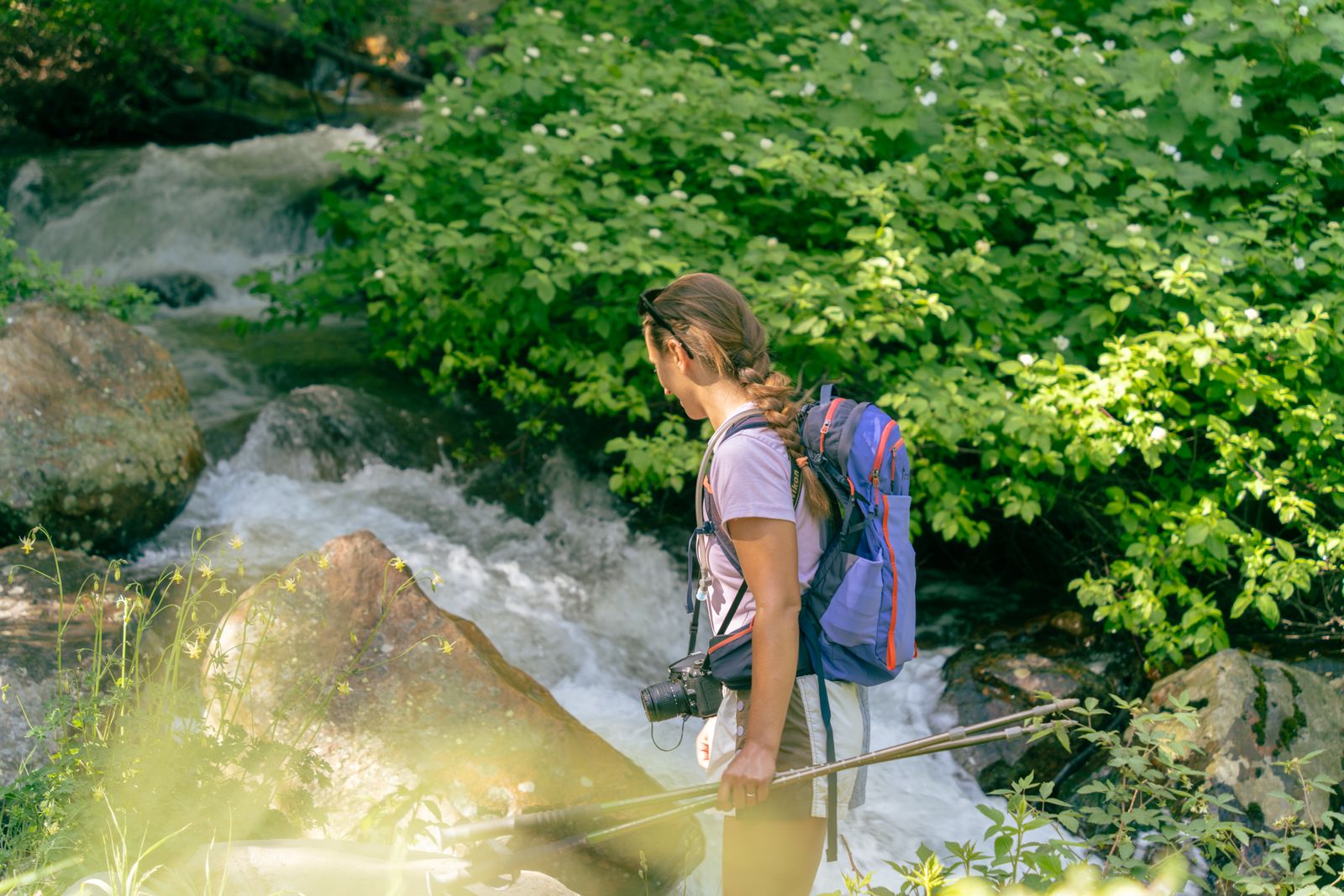
“Waterproof” usually means water-resistant
Almost no shorts are truly waterproof, because a waterproof membrane would trap sweat. What you get instead is a durable water repellent (DWR) finish that makes water bead and roll off, plus fabric that dries quickly. Columbia’s PFG fishing range, for example, pairs an Omni-Shield water and stain repellent with UPF 50 fabric.
A “dry pocket” is usually a zippered or flapped pocket with a water-resistant lining, sometimes with a drain hole. It keeps keys and cards drier, but it won’t protect a phone if you swim. Use a small dry bag or zip-top bag for electronics.
What to look for in water-ready shorts
- Fast-drying fabric: nylon or polyester with a hydrophobic finish
- A secure zip pocket and, for anglers, a reinforced plier or tool pocket
- An elastic waistband with drawcord, since wet fabric stretches
- UPF 50+ protection for sun reflected off water
- Mesh-lined pockets that drain instead of holding water
For pure hiking, the fast-drying Patagonia Baggies and Columbia Sandy River do this job well. If you fish as often as you hike, dedicated angler brands such as AFTCO and Columbia PFG add tool loops and plier pockets without much extra weight.
Ladies Hiking Shorts by Body Type and Terrain
The best hiking shorts on paper can still fail if they don’t suit your body or your trails. Use this section to narrow the list fast.
Fit tips for hiking shorts women actually keep wearing
- Curvy hips and smaller waist: look for an integrated belt or drawcord and a high rise, like the Ferrosi or Maridalen
- Thighs that touch: choose a 9-inch or longer inseam, or wear a liner or short tights underneath
- Petite: a 5-inch inseam often sits like a 7-inch; LFTO’s 5’3″ tester preferred shorter lengths
- Tall: a 7 to 9-inch inseam gives proper coverage without looking too short
- Plus sizes: the Sahara Bermuda (0–20W), Trailmade (up to 3X) and Ferrosi plus sizes (1X–4X) lead the pack
Squat, lift your knee to hip height and sit down in the fitting room. If the shorts pull at the waist, ride up at the thighs or gape at the back, they will do the same on the trail.
Hot, exposed and desert trails
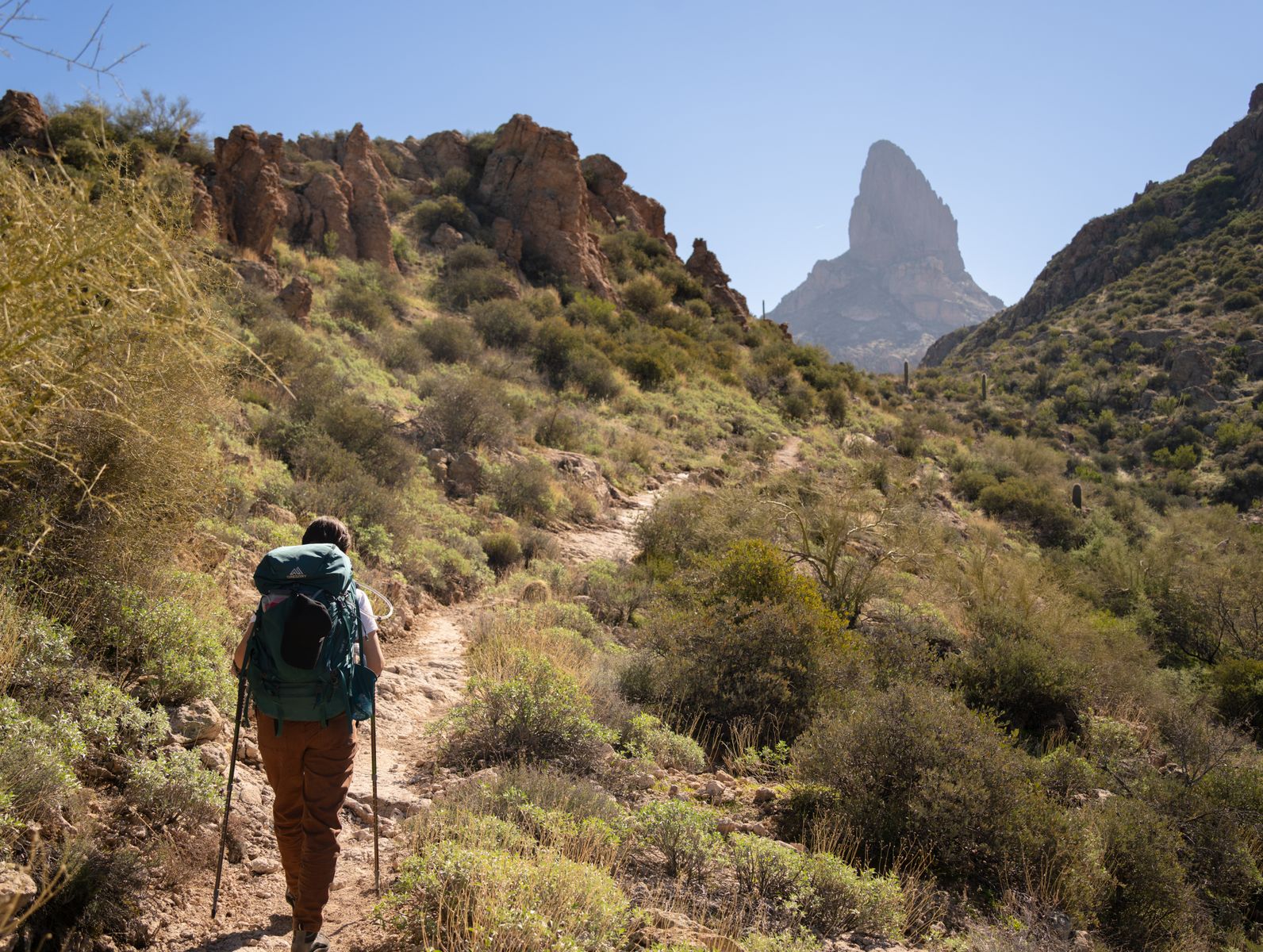
In dry heat, light colors and airflow matter most. Ladies hiking shorts in white, sand or light gray reflect sun, while black absorbs it; BASE’s tester found black Arc’teryx shorts noticeably warmer on a sunny day. Lined running-style shorts or a 5-inch pair with wide leg openings keep you coolest, and UPF 50+ fabric protects the backs of your legs.
Alpine, rocky and scramble routes
On rock and scree, durability and stretch beat weight. Ripstop nylon, a gusseted crotch and a slightly longer inseam protect your skin when you slide on granite or sit on rough boulders. Keep warm leggings in your pack for the summit.
Humid forests and wet climates
In humidity, sweat can’t evaporate, so dry time matters most. Pick the fastest-drying fabrics from the table above, avoid heavy cotton blends and look for a DWR finish to shed drizzle.
Trekking shorts womens hikers use for multi-day trips
On a backpacking trip, you’ll wear the same pair for days. Durable fabric, an odor-control treatment, a pack-friendly waistband and a hanging loop for drying overnight all move up the list. Live For The Outdoors wore Montane’s Ineo Lite short tights three days in a row before they needed a wash, which shows what odor control can do.
The 10 Essentials of Hiking to Pack With Your Shorts
Your clothing is only part of being ready. The National Park Service’s Ten Essentials list groups the gear every hiker should carry into ten systems, and it’s the standard rangers and search-and-rescue teams point to.
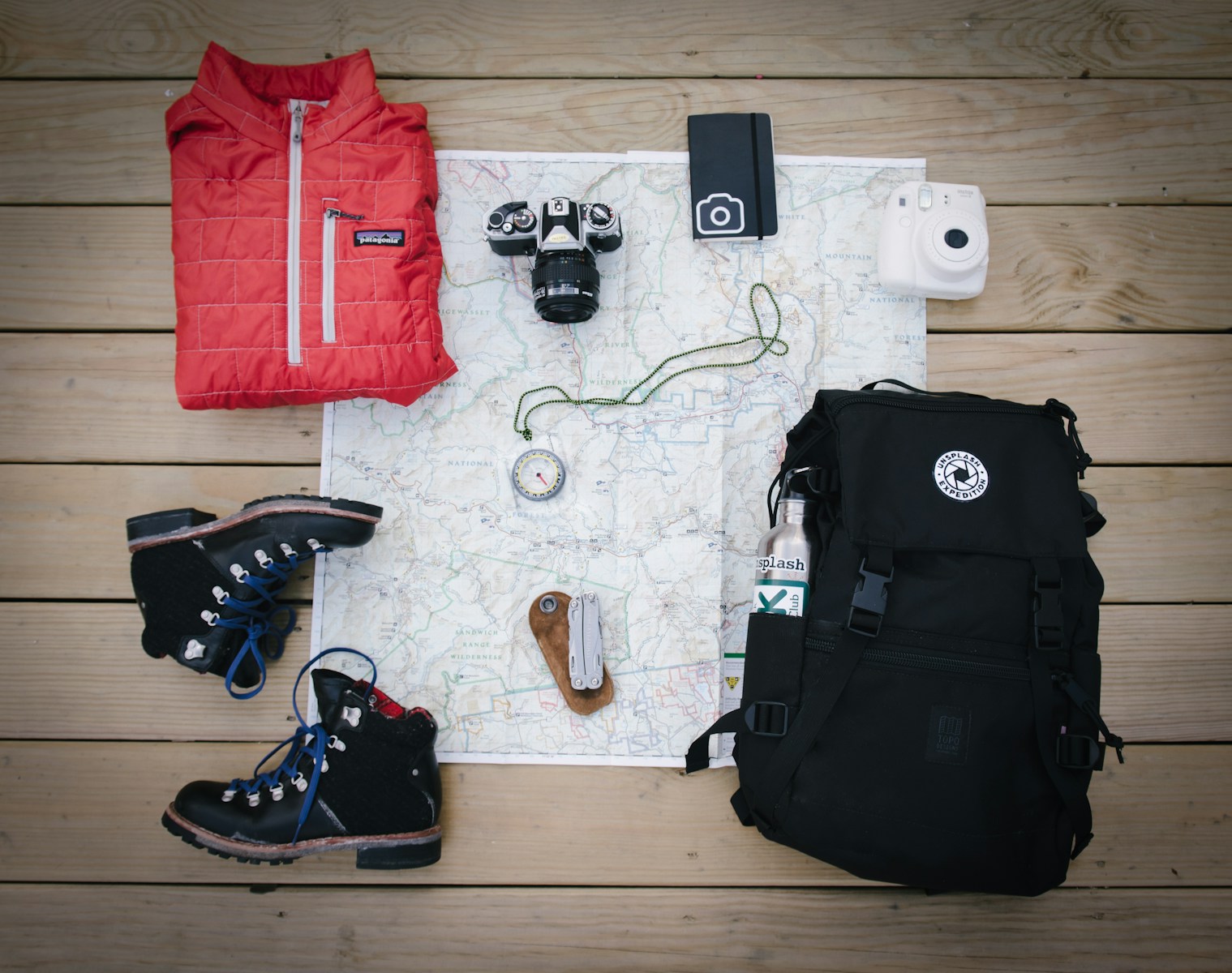
The ten essentials, explained
- Navigation: a map, compass or GPS, and the skills to use them; a downloaded offline map and a spare phone battery help too
- Sun protection: sunglasses, sunscreen and a hat, plus UPF clothing
- Insulation: a jacket, hat, gloves or extra layers for sudden cold
- Illumination: a headlamp or flashlight with spare batteries
- First aid supplies: bandages, blister care, medications and tape
- Fire: matches, a lighter or a fire starter
- Repair kit and tools: a knife or multitool and duct tape
- Nutrition: an extra day’s worth of food
- Hydration: extra water and a way to treat more
- Emergency shelter: a lightweight tarp, bivy or emergency blanket
The NPS also suggests adding activity-specific gear, such as bug spray or a satellite messenger, and telling someone where you’re going and when you’ll be back.
Why shorts hikers need the insulation essential most
If you hike in womens hiking shorts, insulation is the essential you’re most likely to skip, and the one that matters most when weather turns. A pair of thin leggings or wind pants weighs very little and covers bare legs above treeline. It also doubles as camp wear on overnight trips.
7 Tips for Hiking in Shorts
These seven tips cover the most common problems hiking shorts women wear can cause, from chafing to sunburn.
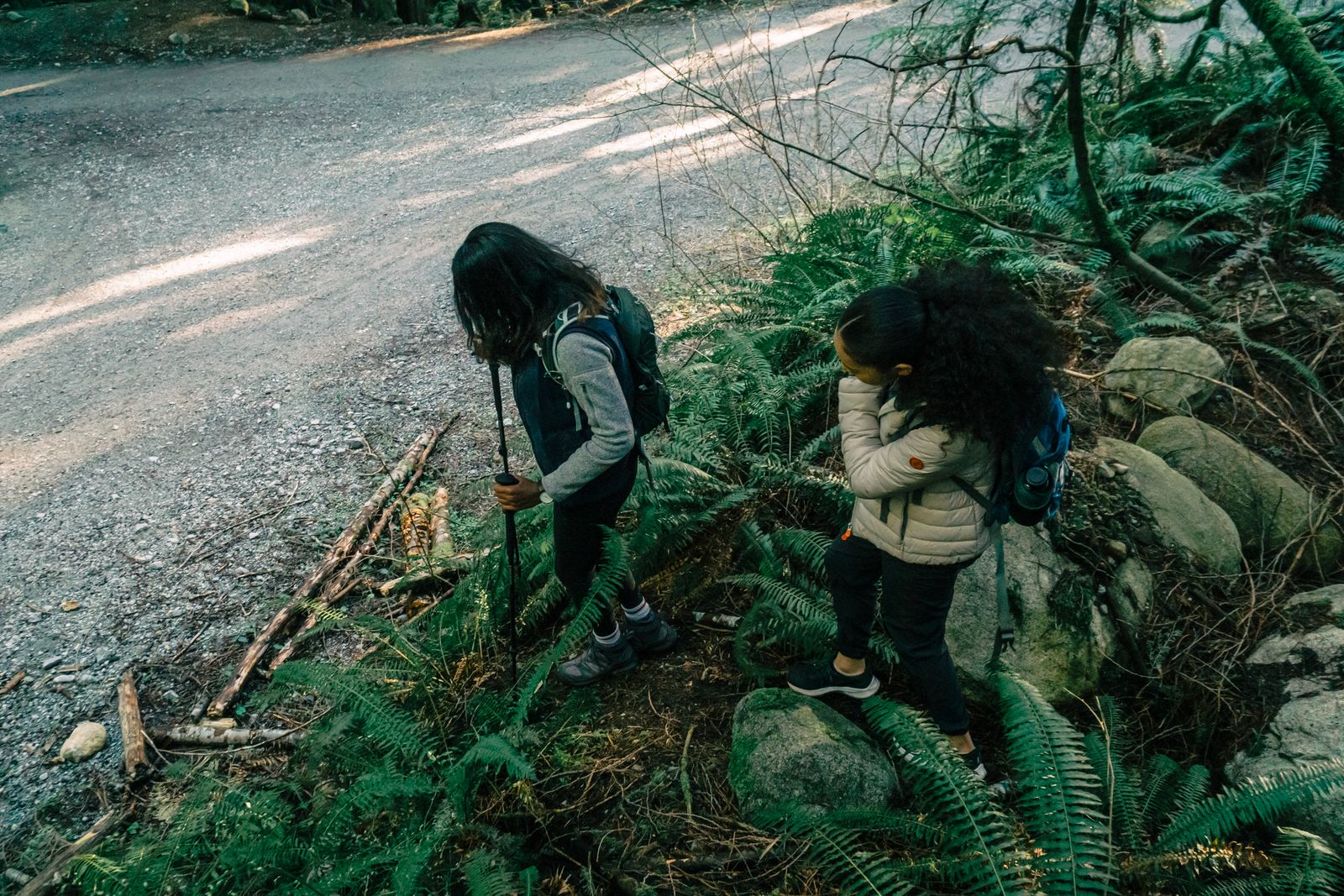
1. Stop chafing before it starts
Choose a longer inseam, a liner or short tights if your thighs touch. Apply an anti-chafe balm to inner thighs and along the waistband before you start, not after it hurts.
2. Sunscreen the backs of your legs
The backs of your knees and thighs face the sun all day on uphill trails. Apply sunscreen there and reapply after sweating, even if your shorts are UPF-rated.
3. Check for ticks after brushy sections
Bare legs pick up ticks in long grass. Stop after brushy stretches to check your legs, especially behind the knees, and use a repellent on exposed skin.
4. Test your shorts with a loaded pack
A waistband that feels fine in the shop can dig in under a hip belt. Do a long training hike with your full pack before any big trip.
5. Choose underwear that wicks
Cotton underwear defeats quick-dry shorts. Wear synthetic or merino briefs, or a lined short, to keep moisture moving away from your skin.
6. Carry a backup layer
Pack light leggings or wind pants. They protect against cold, brush and bugs and weigh almost nothing.
7. Rinse and hang them every evening
On multi-day trips, rinse sweat and salt out in a stream or with a little water, wring them out and hang them by a loop overnight. Fast-drying fabrics will be ready by morning.
5 Good Questions to Ask Before Buying Trekking Shorts
Before you spend money on new womens hiking shorts, these five questions narrow the field quickly. They also work as a checklist when you read reviews of trekking shorts womens hikers recommend.
1. Where and how will I hike most?
Hot desert trails, humid forests and rocky alpine routes each call for different trekking shorts womens hikers can rely on, with a different fabric, length and fit. Pick the conditions you hike most often and buy for those.
2. Do my thighs touch or chafe?
If yes, look at inseams of 9 inches or longer, or lined shorts and short tights. If no, a 4 to 7-inch inseam keeps you cooler.
3. What will I carry in my pockets?
If your phone lives in your pocket, check that at least one pocket is deep enough and preferably zippered. If you carry everything in your pack, a minimalist pair saves weight.
4. How does the waistband sit under my hip belt?
Elastic bands with a drawcord sit flattest. Buttons, snaps and buckles can create pressure points under a heavy pack.
5. How quickly does the fabric dry?
Look for nylon or polyester blends, a DWR finish and published dry-time tests. Slow-drying fabric turns clammy in humidity and after creek crossings.
How to Care for Womens Hiking Shorts So They Last
Good womens hiking shorts can last many seasons, but only if you treat the fabric and its finishes kindly. Most failures come from heat, softener and abrasion rather than from the trail itself.
Washing and drying
Wash your hiking shorts in cold or warm water with a mild detergent, close every zipper first and turn them inside out to protect the face fabric. Skip fabric softener, which coats fibers and stops them wicking. Hang them to dry where you can, because high dryer heat weakens spandex and can make the waistband lose its recovery.
Reviving the water-repellent finish
When water stops beading on the surface, the DWR finish needs a refresh. Wash with a technical cleaner, then use a wash-in or spray-on repellent and follow the label’s drying instructions. Many finishes reactivate with a short, low-heat tumble.
Small repairs that save a pair
Fix loose seams and small snags early, before they spread. A patch kit or a few stitches can rescue ladies hiking shorts that would otherwise go in the bin. Several brands, including Craghoppers, offer guarantees or repair programs worth checking before you replace a favorite pair.
Womens Hiking Shorts FAQ
What are the best womens hiking shorts?
The Mountain Hardwear Dynama Bermuda is the best all-round choice for comfort, mobility and versatility. The REI Co-op Trailmade is the best value, while the Patagonia Multi Trails suits long, hot days. For curvy fits, the Helly Hansen Maridalen stands out.
What should a woman wear when hiking?
Wear quick-dry hiking shorts or pants, synthetic or merino underwear, a wicking sports bra and a light top or sun hoodie. Add a hat, sunglasses, trail shoes with wool or synthetic socks, and pack a warm layer and rain jacket.
What kind of shorts should I wear hiking?
Wear stretchy, quick-drying shorts in nylon or polyester with a comfortable waistband and secure pockets. A 5 to 7-inch inseam suits most hikers, while 9 inches or longer prevents chafing and adds sun and scratch protection.
What are the 10 essentials of hiking?
The National Park Service lists navigation, sun protection, insulation, illumination, first aid, fire, a repair kit and tools, nutrition, hydration and emergency shelter. Carry them on every hike and tell someone your plans.
What are 7 tips for hiking in shorts?
Prevent chafing, sunscreen the backs of your legs, check for ticks, test your shorts with a loaded pack, wear wicking underwear, carry a backup layer and rinse your shorts each evening on multi-day trips.
What are 5 good questions to ask before buying hiking shorts?
Ask where you’ll hike most, whether your thighs chafe, what you’ll carry in your pockets, how the waistband sits under your hip belt and how quickly the fabric dries.
What inseam is best for ladies hiking shorts?
For most hikers, 5 to 7 inches balances freedom and coverage. Choose 3 to 4 inches for hot weather and running, or 9 to 11 inches if you’re prone to chafing or hike brushy, sunny trails.
Are lined hiking shorts better?
Lined shorts reduce chafing and replace cotton underwear, which makes them excellent for hot, long days. Some hikers find liners harder to size, so if you prefer your own underwear, choose an unlined pair.
Are waterproof hiking shorts worth it?
Fully waterproof shorts are rare and would trap sweat. Water-resistant shorts with a DWR finish and fast-drying fabric are the better choice, shedding light rain and drying quickly after creek crossings.
How long do hiking shorts women buy usually last?
With regular weekend use and gentle washing, a quality pair usually lasts several seasons. Abrasion from rock and pack straps, high dryer heat and fabric softener are the main things that shorten their life.
Are trekking shorts womens hikers wear different from running shorts?
Yes. Trekking shorts are usually tougher, with more pockets and a pack-friendly waistband, while running shorts are lighter, often lined and carry less. Lined running-style shorts still make excellent hiking shorts for hot, fast days.
Find the Womens Hiking Shorts That Fit Your Trails
The right pair is less about the brand and more about matching three things: inseam to your body and climate, fabric to the conditions, and waistband to your pack. Get those right and you’ll stop thinking about your shorts and start enjoying the trail.
If you’re not sure where to begin, choose 5 to 7-inch womens hiking shorts in a stretchy nylon blend with deep zippered pockets and an elastic waistband. Test them on a long day hike with your loaded pack, then adjust length or fit from there.
For more trail-tested clothing and gear advice, browse our hiking gear guides, explore more hiking clothing advice, or head back to the HikeAdvice homepage for new guides as they go live.