


A hiking hoodie is the one shirt that can replace most of the sunscreen in your pack. The Skin Cancer Foundation puts a plain white T-shirt at roughly UPF 7, while a purpose-built sun hoodie for hiking rated UPF 30 lets through only one in every thirty UV rays, and it never needs reapplying after a sweaty climb.
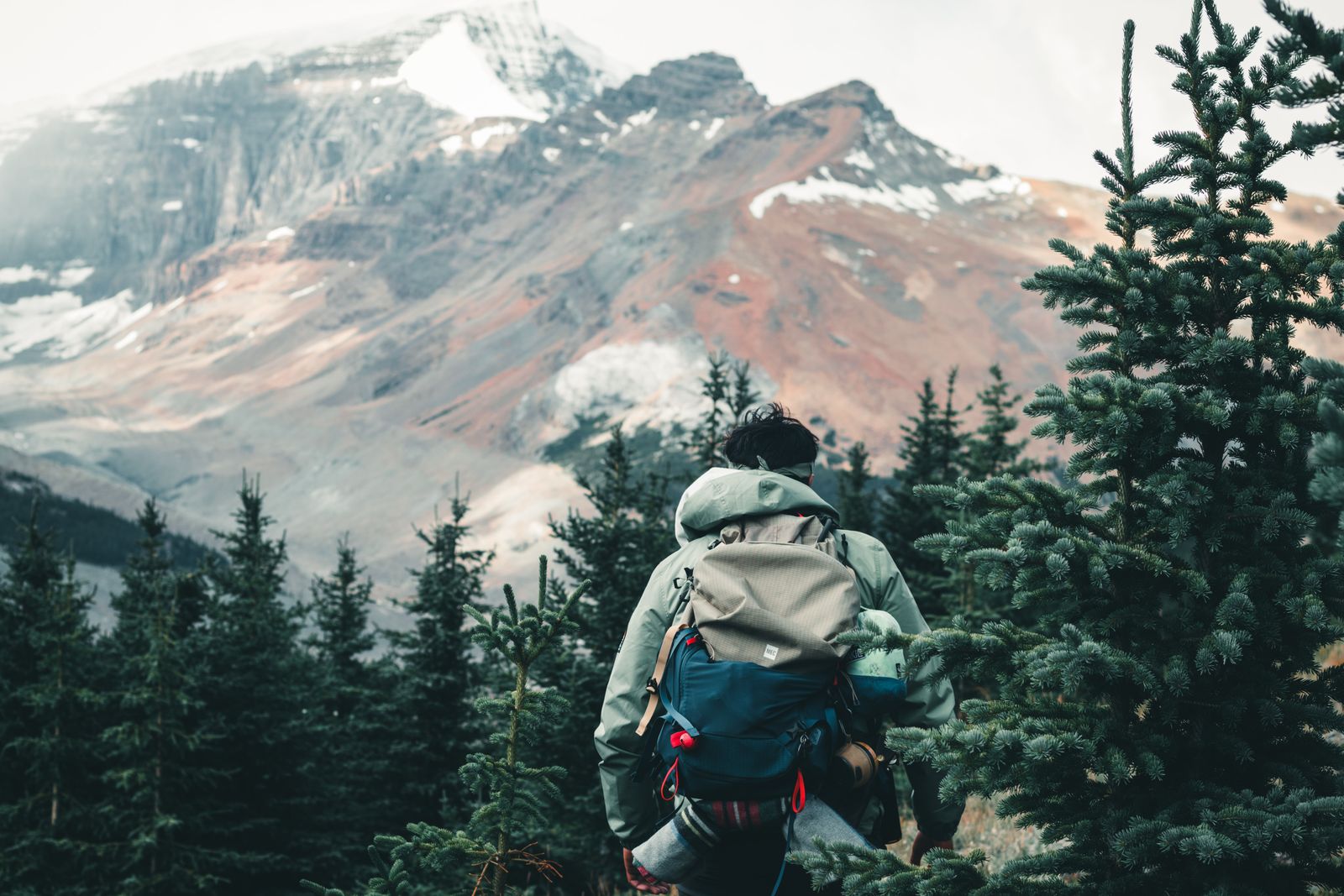
That gap is why long-distance hikers, desert rats and alpine scramblers have quietly swapped tank tops for thin, hooded long sleeves. The catch is choice. Dozens of brands now sell something called a sun hoodie, and the differences in fabric, UPF, fit and hood design are large enough to decide whether you stay cool or cook.
This guide cuts through that. You’ll get 10 proven picks for men and women, a plain-English breakdown of UPF and fabrics, and a simple way to match a hoodie to the trails you actually hike.
Why a Hiking Hoodie Beats a T-Shirt on Sunny Trails
Most hikers start skeptical. Long sleeves and a hood in July sound like a recipe for heatstroke. The surprise comes on the first exposed ridge: a thin, light-colored hoodie feels like walking in your own patch of shade, and your arms and neck stop baking.
The reason is simple physics. Direct sun on bare skin adds heat and triggers sweating. A breathable knit that blocks most UV while letting air and moisture through keeps the skin cooler than you’d expect, especially when there’s a breeze.
Fewer sunscreen stops, fewer burns
Sunscreen fails in predictable ways. You sweat it off, rub it off under pack straps, or forget the back of your neck. Fabric doesn’t wear off in an hour. A hiking hoodie covers your arms, shoulders, neck and ears all day, so the only sunscreen you carry is a small tube for your face and the backs of your hands.
That matters more than it sounds on a multi-day trip. Less sunscreen means less weight, less greasy skin under a hip belt, and fewer sticky fingers at lunch.
What a hiking hoodie actually is
A hiking hoodie is a lightweight, long-sleeve knit shirt with an attached hood, designed to block UV while staying cool in warm weather. It is not a cotton pullover or a fleece. Think of it as a technical base layer with a built-in sun hat for your neck.
Most models share a few traits:
- A thin knit fabric, usually polyester, nylon, merino wool or a blend
- A UPF rating printed on the tag, typically from 15 to 50+
- A close or adjustable hood that fits under or over a cap
- Thumb loops on many models to cover the backs of your hands
- Flat seams so pack straps don’t rub
Who gets the most out of one
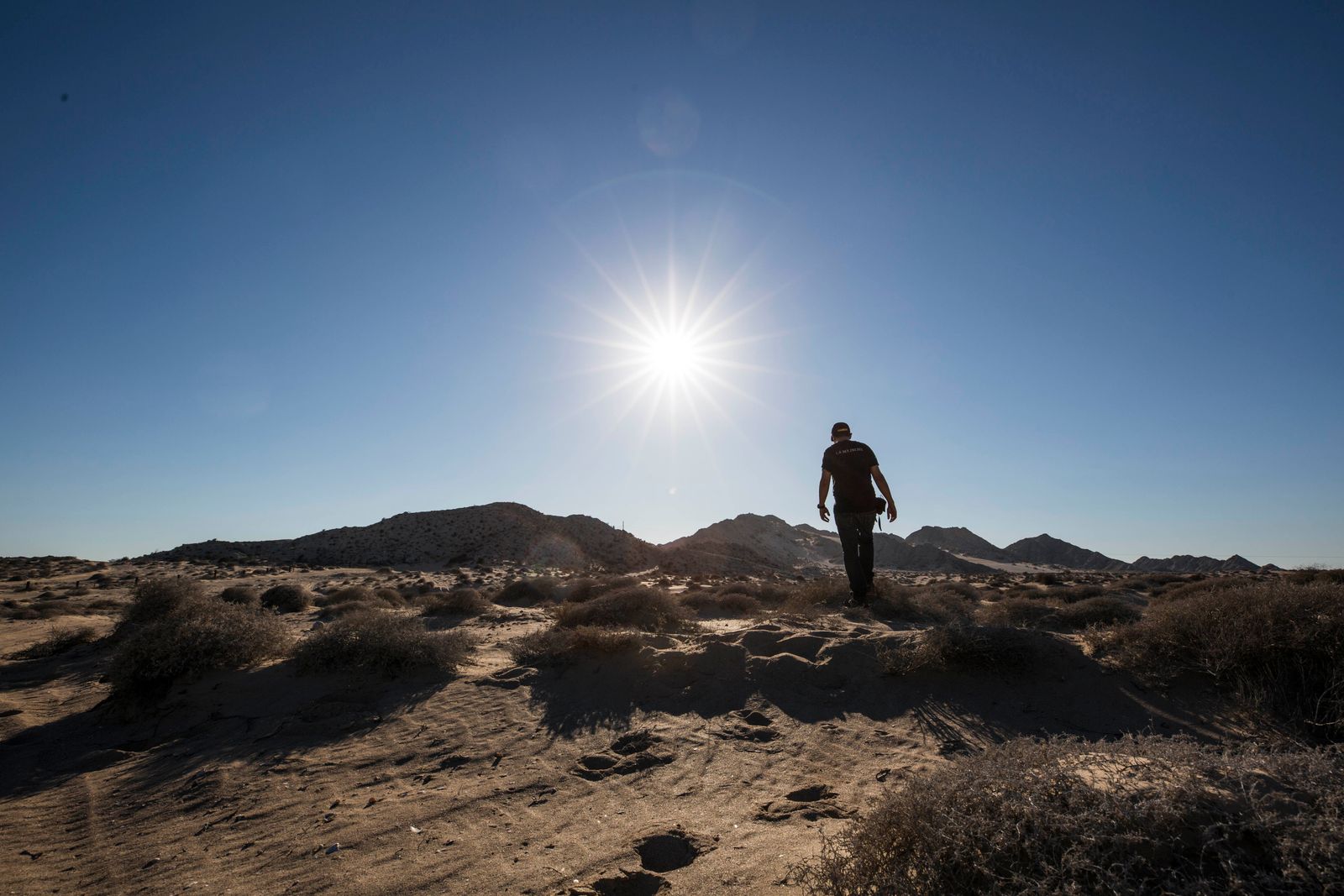
Desert and canyon hikers benefit first, since shade is rare and reflected light comes off rock and sand. Alpine hikers come next: UV gets stronger as you climb, and snowfields bounce it back at you. Thru-hikers on long, exposed trails such as the Pacific Crest Trail or the Arizona Trail treat a sun hoodie for hiking as standard kit rather than an extra.
Even on shaded forest trails, a light hoodie earns its spot. It keeps bugs off your arms, protects you through clearings and burn zones, and adds a thin layer when the temperature drops at a summit.
How to Choose the Best Sun Hoodie for Hiking
Before looking at specific models, it helps to know the four things that separate a great hoodie from an expensive disappointment: UPF, fabric, fit and hood design. Get these right and almost any of the picks below will serve you well.
UPF ratings in plain English
UPF stands for Ultraviolet Protection Factor. It measures how much UV gets through the fabric. A UPF 30 shirt lets through one in thirty rays, so it blocks about 97% of them. UPF 50 lets through one in fifty and blocks about 98%. UPF 15 blocks about 93%.
Notice how flat that curve gets. Jumping from UPF 15 to UPF 50 more than triples the number on the tag but adds only about five percentage points of blocking. Denser, higher-UPF fabrics usually breathe less, so you trade comfort for a small gain in protection.
What UPF level do you really need?
The Skin Cancer Foundation’s guide to sun-protective clothing treats UPF 30 to 49 as very good protection and UPF 50+ as excellent, and it requires at least UPF 30 for its Seal of Recommendation. It also warns that fabric loses some protection when it’s stretched or wet.
A practical rule for most hikers:
| Your situation | Target UPF |
|---|---|
| Fair skin, family history of skin cancer, high altitude, snow or glacier travel | UPF 50+ |
| Most summer hiking and backpacking | UPF 30–40 |
| Very hot, humid days where breathability matters most | UPF 15–30, plus shade breaks |
Independent fabric testing by the reviewers at Adventure Alan, who have put around 70 sun hoodies through breathability and dry-time tests, landed in the same place: UPF 30 is the sweet spot for most people, and UPF 50 makes sense mainly for sensitive skin or extreme UV.
Fabric weight, color and fit
Thin fabric dumps heat faster. Look for a light knit, roughly 100 to 160 grams per square meter if the brand lists it. Thicker shirts feel nice in the shop but turn sticky on a long climb.
Color matters more than most people think. Light colors such as white, yellow, light gray and pale pink reflect sunlight, while black, navy and dark green absorb it. In a simple heat test reported by Adventure Alan, water wrapped in a black hoodie warmed far more in three hours of sun than water wrapped in a white one. Choose light shades unless you’re hiking somewhere cold and bright.
Fit is personal, but a slightly relaxed cut lets air move along your skin. Skin-tight hoodies trap sweat. If a model runs slim, consider sizing up.
Hood, thumb loops and seams
The hood is the whole point, so it has to stay on in wind. A scuba-style hood sits close around the face and rarely blows off. A looser overlap hood breathes better but can flap. Hoods with a neck snap, button or light drawcord offer a middle ground.
Thumb loops keep sleeves over the backs of your hands, a spot that burns easily when you’re holding trekking poles. Flatlock seams and raglan sleeves (seams that run from the collar to the armpit) keep pack straps from rubbing a raw line across your shoulders.
What you get at each price point
Price tracks fabric quality and features more than protection. Even cheap shirts can carry a UPF 50 label, so the extra money mostly buys comfort, breathability and durability.
| Price range | What to expect |
|---|---|
| Under $40 | UPF 50 claims, basic hood, heavier fabric that breathes less; fine for occasional hikes |
| $60–90 | Thin, fast-drying synthetics with odor treatment, thumb loops and better hoods; the sweet spot for most hikers |
| $100–170 | Technical features such as mesh panels and chest vents, body-mapped knits or merino wool |
If you hike a few times a summer, a budget hiking hoodie will protect you well enough. If you hike most weekends or plan a long trip, the mid-range is where the comfort difference becomes obvious.
10 Best Hiking Hoodie Picks for Every Trail
The picks below come from cross-checking manufacturer specs with published field and fabric tests from experienced reviewers, including Taryn Eyton of Happiest Outdoors, thru-hiker Erin of Erin Exploring and the Adventure Alan team. Prices are typical full retail and shift with sales and colors, so treat them as a guide.
Quick comparison table
| Hoodie | UPF | Main fabric | Approx. price | Best for |
|---|---|---|---|---|
| Mountain Hardwear Crater Lake | 50+ | Polyester/elastane | $70 | All-around comfort |
| KETL Mtn NoFry One Snap | 30 | 100% polyester | $69 | Breathability on a budget |
| Outdoor Research Echo | 15–20 | Recycled polyester | $75–85 | Extreme heat, ultralight |
| Patagonia Capilene Cool Sun | 40 | Recycled polyester | $89 | Balanced protection |
| REI Co-op Flash Shade | 50 | 100% polyester | $60–70 | Value, plus and tall sizes |
| Cotopaxi Sombra | 50+ | Polyester blend | $70–80 | Thru-hiking durability |
| Black Diamond Alpenglow Pro | 50+ | Nylon/elastane | $120 | Technical features |
| Kuhl Eclipser | 50+ | Nylon/polyester | $99 | Max UPF with airflow |
| Icebreaker 150 MerinoFine Ace | 40 (dark colors) | 100% merino | $160+ | Odor control |
| Ridge Merino Solstice | 30 | Merino blend | $80 | Merino on a budget |
1. Mountain Hardwear Crater Lake Hoody: best all-around comfort
The Crater Lake is the hoodie many hikers buy first and keep wearing. Its stretchy polyester and elastane fabric (around 120 gsm) feels soft both wet and dry, carries a UPF 50+ rating and has an odor-control treatment that holds up on multi-day trips. Thumb holes and side panels add mobility.
The trade-offs are a loose overlap hood that can gape and blow off in wind, and fabric testing that shows slower drying and less airflow than the most breathable models. If comfort against the skin is your priority, it’s a safe pick.
2. KETL Mtn NoFry One Snap: best breathability for the money
In Adventure Alan’s testing, the NoFry One Snap came out as the strongest overall performer for airflow, heat escape and drying speed, while costing less than most rivals. It’s 100% polyester, rated UPF 30, very stretchy, and has thumb loops plus a neck snap that locks the hood in place on windy ridges.
The main drawback is fit: it’s sold in a unisex cut, so many women will find it boxy. For a men’s hot-weather hoodie that breathes like a mesh shirt, though, it’s hard to beat.
3. Outdoor Research Echo Hoodie: best for extreme heat
The Echo is one of the lightest options you can buy, around 112 grams, and it dries faster than almost anything else. Hikers have worn it for thousands of miles on the Pacific Crest Trail and the Appalachian Trail because it feels barely there on brutal days. The women’s version adds a ponytail port, and the scuba-style hood fits closely.
The honest catch is protection. Its UPF 15 to 20 rating falls below what skin cancer groups recommend, and some wearers report thread pulls and quicker odor. Treat it as a heat specialist, not a high-altitude shield.
4. Patagonia Capilene Cool Sun Hoody: best balance of UPF and cooling
Patagonia’s dedicated sun hoody, the Capilene Cool Sun (not the older “Daily” version), is rated UPF 40 and built from recycled polyester. Testers praise how quickly it sheds heat and dries. Thumb loops and a button closure on the hood give it the technical touches the casual Daily lacked.
Breathability is below average, as with most higher-UPF knits, and the men’s version adds a chest pocket some people find unnecessary. It’s a strong middle-ground choice if you want solid protection without a heavy shirt.
5. REI Co-op Flash Shade Hoodie: best value and size range
The Flash Shade gives you UPF 50 for around $60 to $70, and it comes in plus and tall sizes that many brands skip. It’s 100% polyester, dries quickly, has good thumb loops and a ponytail port on both the men’s and women’s versions.
Like most UPF 50 fabrics, it trades some airflow for protection. REI’s older Sahara Shade Hoodie, also UPF 50+, remains a popular, softer and slightly thicker alternative with a longer hem.
6. Cotopaxi Sombra Sun Hoodie: best for thru-hiking durability
Thru-hiker Erin of Erin Exploring wore a single Sombra for the entire Continental Divide Trail, more than 2,700 miles, and reported no holes at the finish. That track record makes it a standout for long trips. It has UPF 50+, a scuba hood, thumbholes, a wicking finish and an anti-odor treatment.
The women’s cut runs slightly shorter, which suits short torsos. The small zippered stash pocket is the only feature most hikers ignore.
7. Black Diamond Alpenglow Pro Hoody: best technical features
Built with climbers in mind, the Alpenglow Pro packs in mesh underarm panels, a long chest zipper for venting, well-designed thumb loops and an elastic-edged hood that stays put in wind. The nylon and elastane fabric is rated UPF 50+ and feels cool to the touch.
You pay for it: around $120 and about 189 grams, one of the heavier options here. Some colors show sweat badly. If you hike in variable, windy terrain and want every feature, it’s worth it.
8. Kuhl Eclipser Sun Hoodie: best UPF 50 with airflow
The Eclipser uses body-mapped knits, with denser fabric where sun hits hardest and more open panels on the back and underarms. That design helps it breathe better than most UPF 50+ hoodies. The nylon and polyester blend stretches well without spandex, and a graphene treatment spreads heat across the fabric.
Reviewers note that it can stretch out and stain over time. Still, if you need maximum protection and hate feeling suffocated, it’s one of the best answers.
9. Icebreaker 150 MerinoFine Ace: best natural-fiber hoodie
Merino resists odor far better than synthetics, which makes it a favorite for trips without laundry. The MerinoFine Ace is thinner and cooler than most wool hoodies, and testers who wore it on the John Muir Trail found it comfortable all day. The dark colors carry a UPF 40 rating; lighter shades may not be rated.
Expect a steep price, slower drying and limited colors. Merino also needs gentler washing and can pill under pack straps.
10. Ridge Merino Solstice Hoody: best merino on a budget
If you want wool’s odor resistance without paying Icebreaker prices, the Solstice is a popular entry point at around $80 with UPF 30 protection, thumbholes and a generous hood. It’s a good fit for cooler, sunny trails where synthetic shirts start to smell by day two.
Like most merino, it dries slowly and can show sweat. Avoid it for very hot, humid hikes.
Worth a look: budget and specialty options
A few more names come up again and again. The Willit UPF 50+ hoodie on Amazon costs about $20 and works for occasional hikers, though testers find it heavy and not very breathable. The Arc’teryx Cormac (men’s) and Sunna (women’s) hoodies use a UPF 40+ fabric with good odor control. The Outdoor Research ActiveIce Spectrum adds a cooling treatment and a ponytail port, with mixed reviews on drying speed.
Hiking Hoodie Mens vs Hiking Hoodie Women’s: Fit Differences
Most brands sell the same fabric in two cuts, but the shapes differ more than a size chart suggests. Knowing what to look for saves a return.
What a hiking hoodie mens cut usually offers
Men’s versions tend to run straighter through the torso, with longer sleeves and broader shoulders. Several top performers, such as the KETL NoFry, come only in men’s or unisex sizing, so men often have slightly more choice. Watch for chest pockets on some men’s models: they add a double layer of fabric right where you sweat most.
If you carry a heavy pack, check that the shoulder seams sit away from the strap line. Raglan sleeves help here.
What a hiking hoodie women’s cut changes
Women’s cuts usually taper at the waist, add room at the hips and sometimes shorten the length. A curved drop hem, found on the REI Sahara Shade, gives extra coverage at the back. Ponytail ports, offered on the women’s Outdoor Research Echo and on both versions of the REI Flash Shade, keep the hood from riding back and stop sweaty hair from sticking to your neck.
Reviewers with short torsos often prefer the Cotopaxi Sombra or Columbia Summit Valley, while hikers who want more length lean toward REI’s options.
Sizing tips that apply to everyone
- Size for a relaxed fit: air gaps keep you cooler
- Check sleeve length with thumbs in the loops; tight loops pull at the cuffs
- Raise your arms overhead in the fitting room to see if the hem lifts
- If you plan to wear the hood over a cap, try it with a cap on
- Unisex models usually follow men’s sizing, so women may want to size down
What to Wear for Hiking: Building a Kit Around Your Hoodie
A great hiking hoodie works best as part of a simple system. Here’s how to build around it so you stay comfortable from the trailhead to the summit and back.
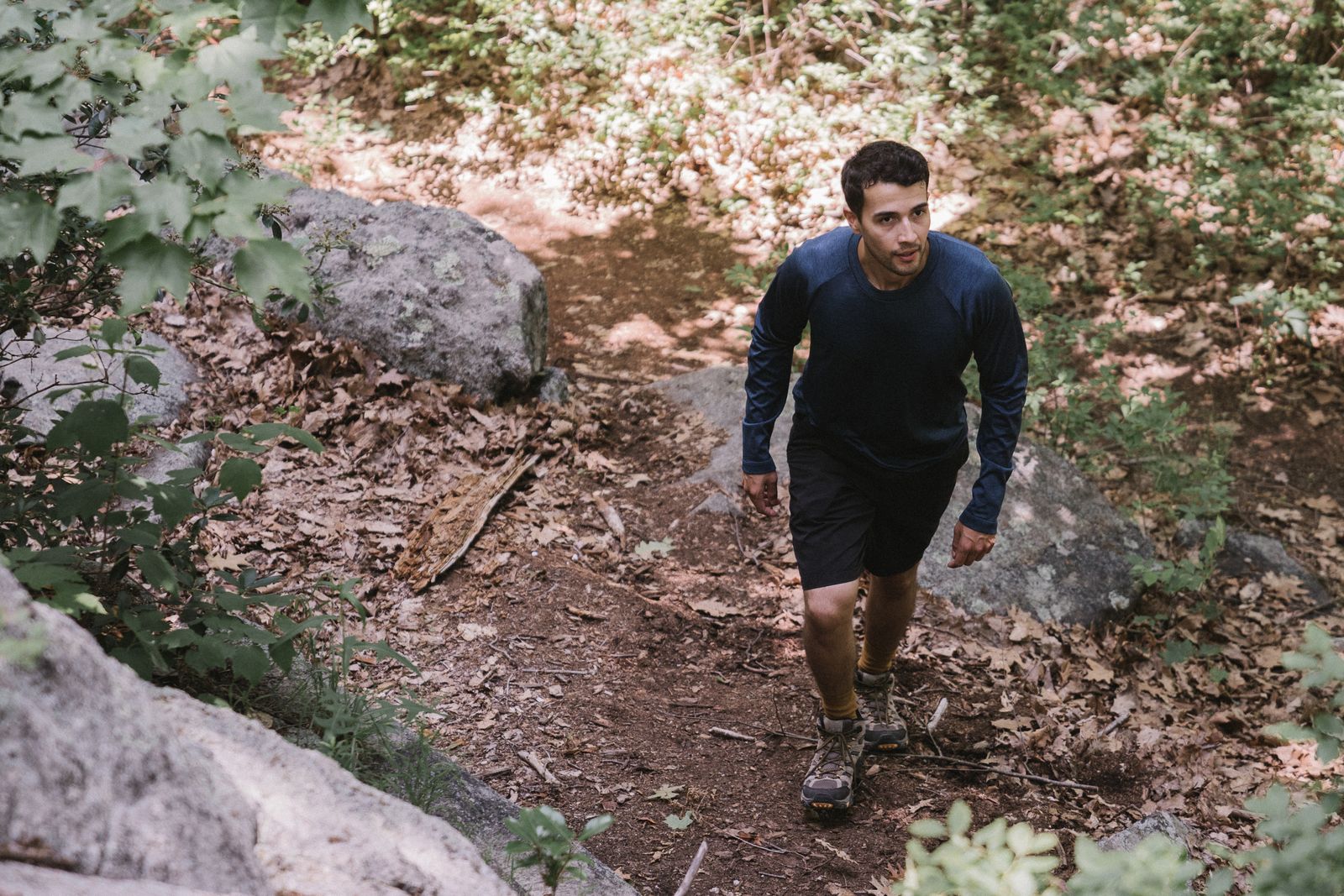
The warm-weather hiking outfit
For most summer day hikes, the core outfit looks like this:
- Top: a light-colored sun hoodie as your only shirt
- Bottoms: quick-dry shorts, hiking pants or leggings; long pants add sun and brush protection
- Head: a ball cap or brimmed hat worn under the hood
- Eyes: sunglasses with UV protection
- Feet: breathable trail runners or hiking shoes with synthetic or wool socks
- Extras: sun gloves if your hands burn easily, and a small tube of sunscreen for your face
Skip cotton anywhere next to your skin. It holds sweat, chafes and dries slowly.
Layering for mountains and shoulder seasons
On cooler or higher trails, the sun hoodie becomes your base layer. Add a light fleece or wind shirt over it for breaks, a puffy jacket for summits and a rain shell for storms. Thumb loops help here: they hold your sleeves in place as you pull on a jacket.
Mountains swing fast between hot and cold. A thin hoodie that works alone at 9 a.m. and under a fleece at the pass covers more conditions than a heavier shirt ever could.
Day hike vs multi-day trip
For day hikes, choose the hoodie that keeps you coolest; you’ll wash it that night. For backpacking trips, odor resistance and durability move up the list. That’s where treated synthetics such as the Cotopaxi Sombra, or merino options like the Ridge Solstice, earn their place.
Thru-hikers often settle on one hoodie for an entire trail. If that’s your plan, favor proven durability over the lightest possible fabric.
Which Fabric Hoodie Is Best for Summer?
Fabric decides more about how a hoodie feels than any feature. Each material has a clear personality, and summer heat exposes the weaknesses fast.

Polyester and nylon: the summer workhorses
Polyester is the most common sun hoodie fabric for good reason. It can be knit very thin, blocks UV well, dries quickly and costs less than wool. Nylon is tougher and feels cool to the touch, but it usually dries more slowly and resists UV a little less than polyester of the same weight.
The weakness of both is smell. Synthetic fibers hold onto body odor, so look for an antimicrobial treatment such as HeiQ or Polygiene if you hike for several days at a time.
Merino wool: odor control with a heat penalty
Merino breathes well and fights odor naturally, which makes it the favorite of hikers who can’t wash clothes for a week. The trade-off is warmth. Wool yarns are thicker and fuzzier, so they trap more air, dry more slowly and often carry a lower UPF than polyester of similar weight.
Testers generally find merino comfortable up to around 80°F (27°C). Above that, a thin synthetic usually feels cooler.
Blends, spandex and plant fibers
A small amount of spandex (elastane) adds stretch, and many popular hoodies use 5 to 12 percent. Too much slows drying and can increase odor. Merino-synthetic blends try to combine wool’s odor control with synthetic speed and durability.
Plant-based fibers such as bamboo viscose, Modal and Tencel feel lovely in a shop but dry very slowly. In published dry-time tests, these fabrics consistently finished last, so save them for town, not the trail.
The quick verdict for hot weather
For most summer hiking, the best choice is a thin, light-colored polyester hoodie with UPF 30 to 40 and an odor treatment. Choose merino if smell matters more than heat. Choose a UPF 50 model if your skin burns easily or you’re heading high.
Matching a Sun Hoodie for Hiking to Your Terrain
The same hoodie can feel perfect on one trail and miserable on the next. Climate, altitude and trip length change which traits matter, so it pays to think about where you’ll wear it most before you buy.
Desert and canyon trails
Deserts combine intense sun, little shade and dry air that pulls sweat off your skin quickly. That last part works in your favor: a thin polyester hoodie dries almost as fast as you sweat, and evaporation cools you down. Breathability matters slightly less here than reflectivity and coverage.
Choose a white or pale shade, UPF 30 or higher, and a hood with full coverage around the ears. Slot canyons and slickrock bounce light back up at you, so thumb loops and a high neckline earn their keep. Pair the hoodie with long, light pants if you’ll be brushing past cactus or scrub.
High alpine and snowfields
UV intensity climbs as you gain elevation, and snow can reflect much of it straight back at your face and neck. Many burns at altitude happen on cool, breezy days when hikers don’t feel the sun at all.
This is where a UPF 50+ hoodie makes the most sense. A close hood that stays on in wind, such as the elastic-edged hood on the Black Diamond Alpenglow Pro or the snap-down hood on the KETL NoFry, beats a loose one that flaps off on every ridge. Because temperatures swing fast up high, a slightly thicker fabric or a merino blend can double as a base layer under a wind shell.
Humid forests and summer heat
Humidity is the hardest test for any hiking hoodie. Sweat can’t evaporate quickly, so fabric that traps moisture turns clammy within minutes. On these trails, airflow beats everything else.
Look for the most breathable fabric you can find, even if the UPF drops to the 15 to 30 range, and spend your shade breaks with the hood down and sleeves pushed up. Ultralight options such as the Outdoor Research Echo or KETL NoFry shine in these conditions. Avoid heavy spandex blends and any merino that feels warm in the shop.
Thru-hikes and long backpacking trips
On a trail that lasts weeks or months, you’ll wear the same hoodie almost every day. Durability under pack straps, odor control and easy rinsing in a stream matter as much as cooling. A shirt that pills or tears in the first 300 miles becomes a problem when the next resupply town is days away.
Thru-hikers tend to favor proven, tougher synthetics such as the Cotopaxi Sombra, or a merino blend for odor control. Whatever you choose, test it on a few long day hikes with your loaded pack before the big trip. Hot spots under the hip belt or a hood that won’t stay on are far easier to fix at home than on day 12.
How to Wear Hiking Hoodies for Maximum Comfort
Owning a good hoodie is half the job. How you wear it on the trail decides whether it keeps you cool or just keeps you covered.
Use the hood like a vent
Wear the hood up in full sun, especially in the middle of the day, and drop it in shade or on steep climbs when you need to dump heat. A ball cap under the hood holds the fabric off your face, adds a brim for your eyes and creates a little channel for air to move. Many hikers find a cap-and-hood combination more comfortable than a wide-brim hat, which can catch the wind and bump into a tall pack.
Manage sleeves and the neckline
Push sleeves to the forearm on shaded stretches and pull them down, with thumbs in the loops, when you’re back in the open. If your hoodie has a zipper, buttons or a snap at the neck, open it on climbs and close it on exposed ridges. Small adjustments like these keep you comfortable without stopping to change layers.
Wet it down on very hot days
On scorching afternoons, dipping your hoodie in a creek and putting it back on can feel like air conditioning, especially in dry climates. Remember the trade-off: wet fabric lets more UV through, so treat this as a short-term cooling trick and reapply sunscreen to your face if you’re in strong sun.
Hiking Hoodies Care, Durability and Common Mistakes
Sun hoodies are thin by design, so a little care goes a long way. These habits will keep yours protecting you for several seasons.
Washing and drying without losing protection
Wash in cold or warm water with a mild detergent, and skip fabric softener, which can coat fibers and reduce wicking. Hang to dry when you can; high dryer heat can weaken elastane and shorten a hoodie’s life. Merino needs a gentle cycle and wool-safe soap.
Premium hoodies usually build UV-blocking agents such as titanium dioxide into the yarn, so protection lasts the life of the fabric. Some cheaper shirts rely on a surface finish that can fade with washing, which is one more reason to buy from brands that publish their UPF testing.
Mistakes that cost comfort and protection
- Buying dark colors for desert trips. They absorb heat and make you sweat more.
- Choosing the highest UPF by default. UPF 50 fabrics breathe less; match the rating to your trip.
- Ignoring the hood fit. A hood that blows off is a hood you won’t wear.
- Forgetting your hands and face. Thumb loops, sun gloves and a hat close the gaps.
- Assuming wet fabric still protects fully. Sweat-soaked or stretched fabric lets more UV through.
When to replace your hoodie
Replace a hoodie when the fabric becomes see-through when you hold it up to the light, when it develops holes at the shoulders from pack straps, or when the elastic in the cuffs and hood stops recovering. Sun fading on the shoulders is a cosmetic sign of heavy use, and a good prompt to check the fabric more closely.
Hiking Hoodie FAQ
What’s the best hiking hoodie?
There’s no single winner for every trail, but the Mountain Hardwear Crater Lake is the best all-around hiking hoodie for comfort, while the KETL NoFry One Snap leads for breathability. Choose the Outdoor Research Echo for extreme heat and a UPF 50 model such as the Kuhl Eclipser for high altitude.
What is the best hiking hoodie for men?
For men, the KETL NoFry One Snap and the Mountain Hardwear Crater Lake are the standouts. The NoFry breathes better and costs less; the Crater Lake feels softer and offers UPF 50+. The REI Flash Shade is the best budget hiking hoodie mens option, especially in tall sizes.
What is the best hiking hoodie for women?
The Cotopaxi Sombra, Mountain Hardwear Crater Lake and REI Flash Shade are top hiking hoodie women’s choices. The Sombra suits short torsos and long trips, the Crater Lake wins on softness, and the Flash Shade adds a ponytail port and extended sizes at a low price.
What is a sun hoodie for hiking, and what is “your hoodie” in hiking terms?
A sun hoodie for hiking is a lightweight, long-sleeve knit shirt with a hood and a UPF rating. When hikers ask about “your hoodie,” they usually mean this shirt, worn as the main layer in warm, sunny weather, not a cotton sweatshirt or fleece.
What do I wear for hiking in hot, sunny weather?
Wear a light-colored hiking hoodie, quick-dry shorts or pants, a cap or brimmed hat, sunglasses and breathable trail shoes with synthetic or wool socks. Add sunscreen for your face and carry a light wind layer for breaks and summits.
What is the best hoodie ever for outdoor use?
For hiking, the best hoodie ever is the one you’ll wear all day: thin, light-colored, UPF 30 or higher, with a hood that stays on and fabric that dries fast. A technical sun hoodie beats a cotton pullover on every one of those points.
Which fabric hoodie is best for summer?
Thin polyester is best for most summer hikes because it blocks UV, dries fast and sheds heat. Merino wool is better for odor control on multi-day trips but runs warmer. Avoid cotton and plant-based fibers such as bamboo viscose, which stay wet.
Can I wear a sun hoodie in cool weather or winter?
Yes. A thin sun hoodie for hiking makes a good base layer under a fleece or shell on cool, bright days, and it still protects your neck and arms on snow. Thicker synthetics and merino versions work best when temperatures drop.
Do hiking hoodies help keep bugs off?
They help. Long sleeves and a hood cover skin that mosquitoes and flies would otherwise target, and many hikers notice fewer bites. Tightly knit fabric works better than very open mesh, and you may still want repellent on your hands and face.
Are hiking hoodies worth the money?
Yes, if you hike in the sun regularly. A good hoodie lasts several seasons, cuts sunscreen use and protects skin consistently. Budget options around $20 to $60 work for occasional hikers, while $70 to $120 models offer better breathability and durability.
Find the Hiking Hoodie That Fits Your Trails
The right hoodie is less about the brand and more about matching three things to your trips: UPF to your skin and altitude, fabric to the heat and trip length, and fit to your body and pack. Get those right and the sun stops being something you fight on the trail.
If you’re unsure where to start, pick a light-colored, UPF 30 to 50 polyester hiking hoodie with thumb loops and a hood that stays on in wind. Wear it on your next sunny hike, notice how much less sunscreen you need, and adjust from there.
Your next step is simple: check the weather and terrain for your next trip, decide whether heat, protection or odor matters most, and choose one model from the table above. For more trail-tested advice on what to carry and wear, browse our hiking gear guides, explore more sun hoodie advice, or head back to the HikeAdvice homepage for new guides as they go live.