The best hiking hats share one number most trail caps miss: a brim of at least 3 inches. That is the width the Skin Cancer Foundation points to for real face and neck protection, yet the typical hiking cap tested by gear reviewers carries a brim of 2.5 to 2.75 inches, and a bucket hat often sits closer to 2.
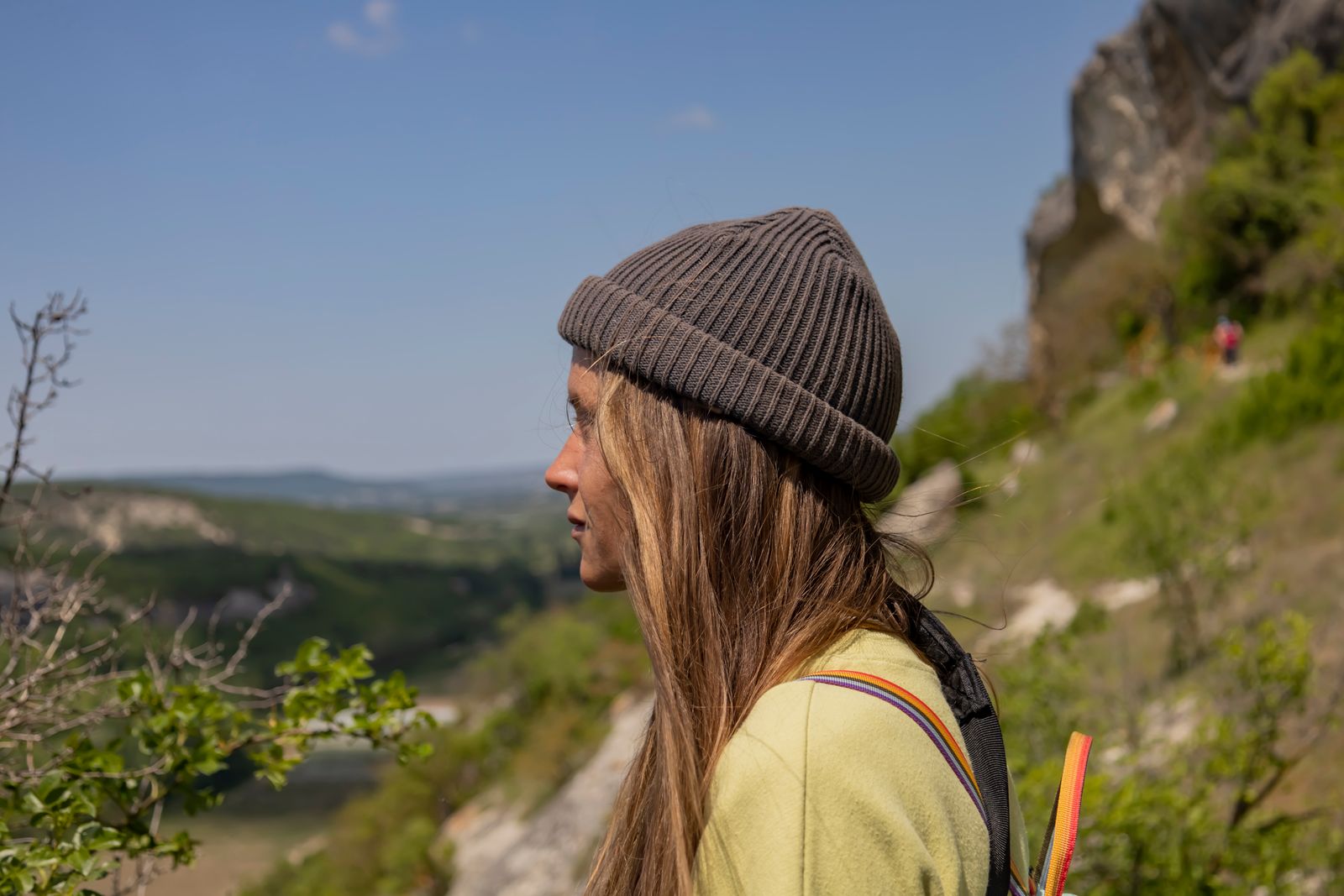
Half an inch sounds trivial until you’re four hours into an exposed ridge and the tops of your ears start to sting. It’s the difference between a hat that shades your eyes and a hat that shades your whole face, nose, ears and the back of your neck.
This guide sorts the field into types that actually behave differently on a trail. You’ll get 10 picks drawn from published field tests, a plain-English way to choose between a cap, a bucket hat and a sun hat, real answers about color and UPF, and advice on fit for women, big heads and windy days.
Why the Best Hiking Hats Matter More Than You Think
A hat is the cheapest piece of sun protection you can carry, and it does a job sunscreen does badly. Your scalp, the part in your hair, the rims of your ears and the back of your neck are the spots people forget to cover and the spots that sweat and pack straps rub clean first.
A good hat for hiking also handles jobs beyond UV. It keeps rain and glare out of your eyes, holds sweat off your face on a climb and keeps hair out of the way. A dark underbrim cuts reflected light off water, snow and pale rock, which makes long days easier on your eyes.
What separates trail hats from everyday hats
A cotton baseball cap from the back of your closet will shade your eyes, but it soaks up sweat, dries slowly and starts to smell by lunch. Trail-specific hiking hats swap cotton for quick-drying nylon or polyester, add mesh or perforations for airflow and often carry a UPF rating on the tag.
The other big difference is how they stay on. Wide brims act like sails, so the best designs add a chin cord, a crown cinch or a stretchy band. Hiking hats that blow off on the first windy saddle are hats you stop wearing.
Who needs which level of protection
Your terrain sets the bar more than your style does:
- Desert, canyon and high alpine hikers face strong UV with little shade and lots of reflected light, so they need the widest brim and neck coverage
- Forest and mixed-terrain hikers see intermittent sun, so a ventilated cap or bucket hat is often enough
- Trail runners and fast hikers value low weight and airflow, so they lean toward caps and 5-panel designs
- Shoulder-season and wet-climate hikers need a hat that sheds rain and fits under a jacket hood
Keep that list in mind. Every pick later in this guide is matched to one of these situations, because the best hiking hats for a slot canyon are rarely the best for a rainy forest.
What Type of Hat Is Best for Hiking?
There’s no single best type, but there is a clear order of protection. From most coverage to least, it runs like this: a sun hat with a neck cape, a wide-brim hat, a cap with a removable cape, a bucket hat, then a ballcap or 5-panel cap. Weight, airflow and packability run in roughly the opposite direction.
Sun hats with a neck cape
Often called Legionnaire hats, these pair a front brim with a fabric curtain that drops over the back and sides of your neck. They give the most coverage you can get without a full hood. Switchback Travel’s tester rated a caped sun hat as the most protective style for full-sun hikes, with mesh in the crown to keep it breathable.
The catch is wind and looks. Capes flap in gusts and some limit peripheral vision. Many hikers also find them too technical for town.
Wide-brim hats and brimmers
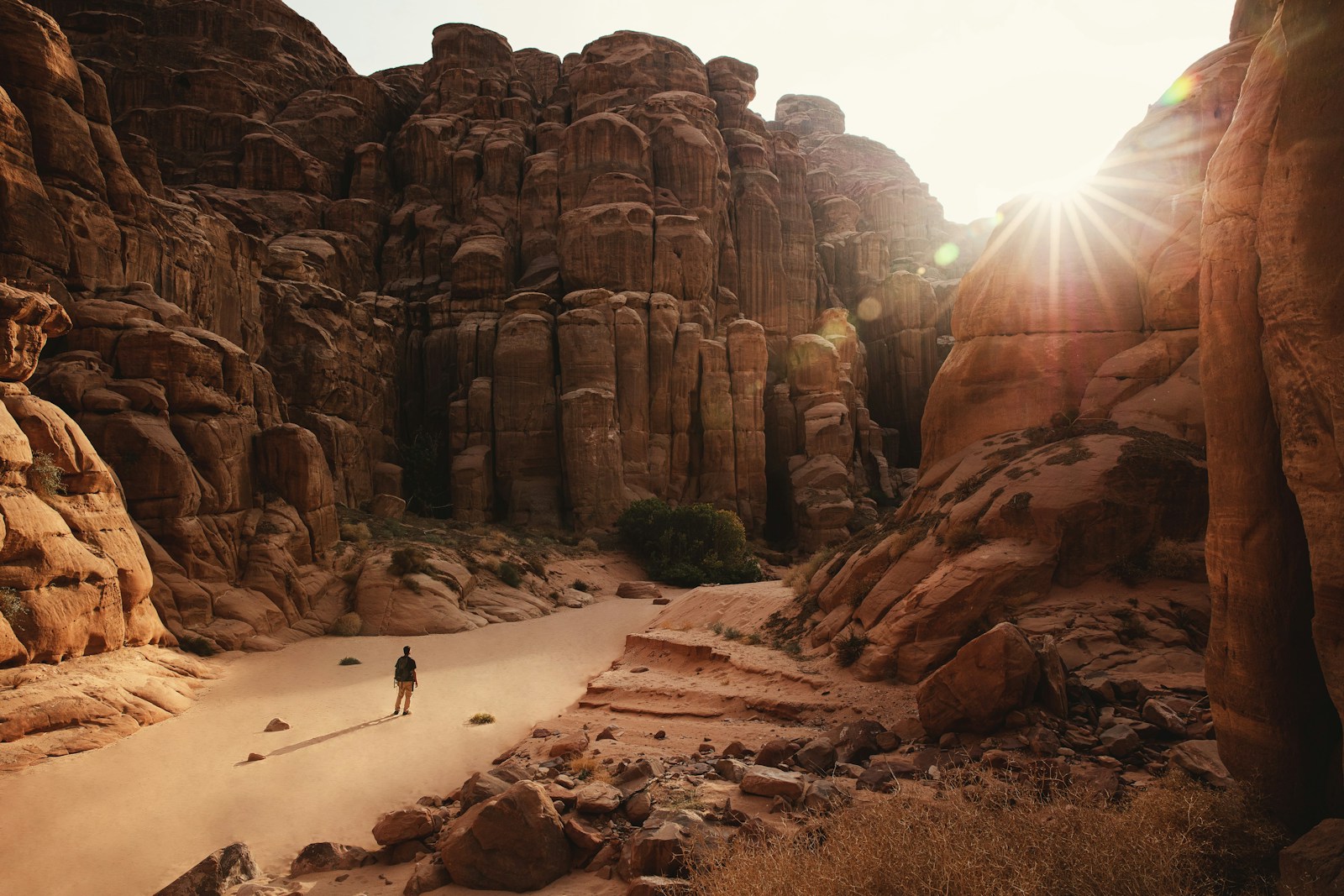
A brim that runs all the way around the crown, often called a 360 brim or brimmer, shades your face and neck at once. Aim for 3 inches or more. These are the classic choice for desert hiking and paddling, and most include a chin cord because a wide brim catches every breeze.
Bucket and boonie hats
Bucket hats have a short, downward-sloping brim, usually around 2 inches, that shades the top half of the face. Boonie hats, which started as military kit, have a wider and stiffer brim and often a chin cord. Bucket hats are comfortable and look good off the trail; boonies are the more protective of the two.
Ballcaps, trucker hats and 5-panel caps
Caps are the most popular hiking hats because they’re light, cheap and easy to pack. They shade your eyes and nose but leave your ears and neck bare. Trucker hats add a mesh back for airflow, and 5-panel caps use a flatter, lower profile that suits running and climbing.
Rain hats and winter beanies
A waterproof hat with a wide brim sheds water away from your collar on soggy days, but it runs hot in summer. For cold weather, a beanie or a thin fleece cap does a different job entirely: keeping heat in rather than sun out.
The quick answer
For most people hiking exposed summer trails, a wide-brim sun hat with UPF 50 and a chin cord is the best type of hat for hiking. If you hike mostly in forest, or you pair your hat with a hooded sun shirt, a ventilated cap is the lighter and more versatile choice.
10 Best Hiking Hats, Tested and Compared
The best hiking hats below come from cross-checking manufacturer specs with published field tests: Emily Parnay’s side-by-side testing of 10 sun hats for CleverHiker in the Sierra Nevada and on the Northern California coast, Maddie Downie’s testing for Switchback Travel in the North Cascades, Advnture’s long-term hat tests and the Outdoors Magic running team’s cap reviews. Prices are typical list prices and change with sales.
Quick comparison table
| Hat | Type | Brim | UPF | Weight | Approx. price | Best for |
|---|---|---|---|---|---|---|
| Sunday Afternoons Ultra Adventure | Sun hat with cape | 3.25–3.5 in | 50+ | 2.5 oz | $60 | Best overall |
| Solbari Trekker | Sun hat with cape | 3.5 in, 6.75 in cape | 50 | 4.2 oz | $65 | Full coverage in wind |
| Sunday Afternoons Latitude | Wide-brim hat | 3.75–4.75 in | 50 | 4.3 oz | $60 | Maximum shade |
| GearTop Navigator Safari | Wide-brim hat | 3.7 in | 50 | 3.5 oz | $22 | Budget |
| Outdoor Research Sun Runner Cap | Cap with cape | 2.75 in | 40+ | 2.8–3 oz | $44 | Cap lovers who need neck cover |
| Path Projects Saguaro | Ballcap | 2.5 in | Not rated | 2.4 oz | $38 | Airflow on forest trails |
| Patagonia Duckbill Trucker | Trucker cap | 2.75 in | Not rated | 2.2 oz | $39 | Breathable everyday cap |
| Buff 5-Panel Cap | 5-panel cap | Short | Varies by model | 39 g | Low cost | Running and fast hiking |
| REI Co-op Flash Bucket Hat | Bucket hat | 2 in | 50+ | 2 oz | $40 | Style and comfort |
| Tilley LTM6 Airflo | Brimmed hat | 3.25 in | 50 | 3.7 oz | $99 | Trail to town, durability |
1. Sunday Afternoons Ultra Adventure: best hiking hat overall
The Ultra Adventure earned top or near-top marks from both Switchback Travel and CleverHiker, and it’s easy to see why. At about 2.5 ounces it was the lightest sun hat in CleverHiker’s lineup, yet it combines a UPF 50+ nylon and polyester build, a front brim of roughly 3.25 to 3.5 inches and a neck cape for full coverage.
Mesh strips in the crown keep air moving, and there’s a chin cinch, a fit dial at the back and slots that lock sunglasses above the brim. It folds in half, and CleverHiker’s tester could fold it into quarters for a side pocket. The brim also floats if you drop it in a lake.
The trade-offs are small but real. The folding seam lets the sides bend inward, which nibbles at peripheral vision, and the light cape can flip up in strong gusts. It also runs large, so check the size chart and use the cinch.
2. Solbari Trekker: best full coverage in wind
CleverHiker named the Trekker its best sun hat overall after more than 100 miles of testing, mostly because it never stopped protecting. Its UPF 50 nylon, 3.5-inch slightly downturned brim and long 6.75-inch neck flap shade the face even when the sun drops low, and the flap stayed down when the breeze picked up.
The fabric has a smooth, almost swimwear feel that keeps the head cool, and tightly woven mesh panels let air in without letting much UV through. A removable chin strap clips on for wind. Solbari sells men’s and women’s versions, which makes it a strong pick among hiking hats for women who want a more tailored fit.
At 4.2 ounces it’s heavier than the Ultra Adventure and only folds in half. Size gaps are also wide, so measure your head before ordering.
3. Sunday Afternoons Latitude: best wide-brim hat
If maximum shade is the goal, the Latitude delivers it with a brim of 3.75 inches at the front, 4 at the sides and 4.75 at the back. CleverHiker scored it top marks for sun and weather protection: it repels water, resists wind, floats and has a sunglasses lock.
That long back brim is also its main flaw. It can bump the top of a tall pack when you look up, so it suits day hikes with a small pack, paddling trips and travel more than backpacking. It’s stiff, so strap it to the outside of your pack rather than folding it.
4. GearTop Navigator Safari: best budget sun hat
At around $22, the GearTop surprised CleverHiker’s tester by scoring close to hats that cost three times as much. You get UPF 50 polyester, a 3.7-inch downturned brim, a crown cinch and a chin strap that kept it planted in wind. After a full soak in a pool below a waterfall, water beaded off the brim and the hat stayed light.
It’s bulkier and less breathable than premium hats, the mesh panels are loosely woven enough to let some UV through, and the back of the brim can sit low on your shoulders. A few loose threads appeared during testing. For occasional hikers it’s still one of the best hiking hats for the money.
5. Outdoor Research Sun Runner Cap: best cap with a cape
The Sun Runner solves the ballcap problem without forcing you into a full sun hat. It’s a UPF 40+ nylon cap with mesh side panels and a dark underbrim, plus a removable cape that wraps the back and sides of the neck and can be pulled around the front.
Switchback Travel rated its coverage among the best you can buy. CleverHiker’s tester found the cape blew around on the windy California coast and preferred a plain cap with a sun hoodie instead. The 2.75-inch brim is also short for midday sun. On calm days, though, it’s a light and packable way to protect your neck, and it comes in four sizes from small to XL.
6. Path Projects Saguaro: best ventilated ballcap
The Saguaro is a simple 100% polyester cap that breathes unusually well. It has mesh side panels and perforated fabric across the crown, a stretchy build that survives being stuffed in a pack and an antimicrobial treatment to slow odor. Switchback Travel’s tester said it was easy to forget she was wearing it.
It carries no UPF rating, the 2.5-inch brim is short, and it comes in one size that suits smaller heads best. Treat it as a cap for shaded forest trails, or pair it with a sun hoodie on exposed ground.
7. Patagonia Duckbill Running Trucker: best trucker hat
The Duckbill’s open mesh back dumps heat on a climb, and its crushable brim springs back into shape after being stuffed in a pack. One of Switchback’s testers has worn hers from day hikes in British Columbia to treks in Patagonia, and Outdoors Magic praised its recycled nylon build.
The same mesh that keeps you cool lets sun through on top, and there’s no neck protection. It’s a one-size design that won’t suit very large heads. As cool hiking hats for forested trails go, it’s one of the easiest to live with.
8. Buff 5-Panel Cap: best 5-panel cap for fast hikes
Outdoors Magic named Buff’s 5-Panel its best value running cap. It weighs about 39 grams, uses stretchy polyester and elastane with mesh zones, and the elastic fit stayed secure in wind without pinching. Testers found it dried quickly after rain and breathed very well in heat.
The peak is short, so it shades your eyes rather than your face. Buff makes several 5-panel versions, and UPF ratings vary, so check the tag. It’s ideal for trail running, fast day hikes and wearing under a hood.
9. REI Co-op Flash Bucket Hat: best bucket hat
The Flash Bucket is light (about 2 ounces), soft and comfortable enough that Switchback’s tester forgot it was there. It’s 96% polyester with a little spandex, rated UPF 50+, and laser-cut vents inside the crown keep air moving. A cinch at the back dials in the fit, and it comes in two sizes.
The 2-inch brim won’t shade the lower half of your face, so it’s a hat for forest trails, short hikes and travel rather than open desert. As cool hiking hats go, it’s one of the few that looks as good in a café as on a trail.
10. Tilley LTM6 Airflo: best trail-to-town hat
Tilley hats are known for toughness, and the LTM6 Airflo is built from thick UPF 50 nylon that repels water and holds its shape. A mesh band lets heat escape, and Tilley sizes its hats by exact head circumference. Advnture’s long-term testers say their older Tilley hemp hat still performed perfectly after years of use, and the brand backs its hats with a lifetime guarantee.
CleverHiker found the Airflo runs small, the 3.25-inch stiff brim lets low sun reach the face, and it isn’t very packable. It’s best for travel, casual hikes and anyone who wants one hat that lasts for years.
Worth a look: rain, style and specialty options
A few more hats come up again and again in tests:
- REI Co-op Sahara Rain Hat: waterproof nylon with taped seams and snaps that pin the sides up; great for wet shoulder seasons, too warm for summer
- Patagonia Quandary Brimmer: a well-made, packable brimmer with a 3-inch brim and dark underside; it runs warm and small
- Skida Original Brim Hat: a UPF 50+ cap with bright, artistic patterns that draws compliments on the trail
- Rnnr Pacer: about 1.7 ounces, very breathable and roomy for big heads
- OddJob Big Running Hat: sold in XL and XXL for hikers who struggle to find a cap that fits
- Ciele GoCap: Outdoors Magic’s best running cap overall, with UPF 40 and dozens of designs
Which Is Better for Hiking, a Cap or a Bucket Hat?
This is the question most hikers really want answered, and the honest reply is that neither wins everywhere. A cap usually has the longer front brim, while a bucket hat covers more of your ears and the back of your head.
Where a cap wins
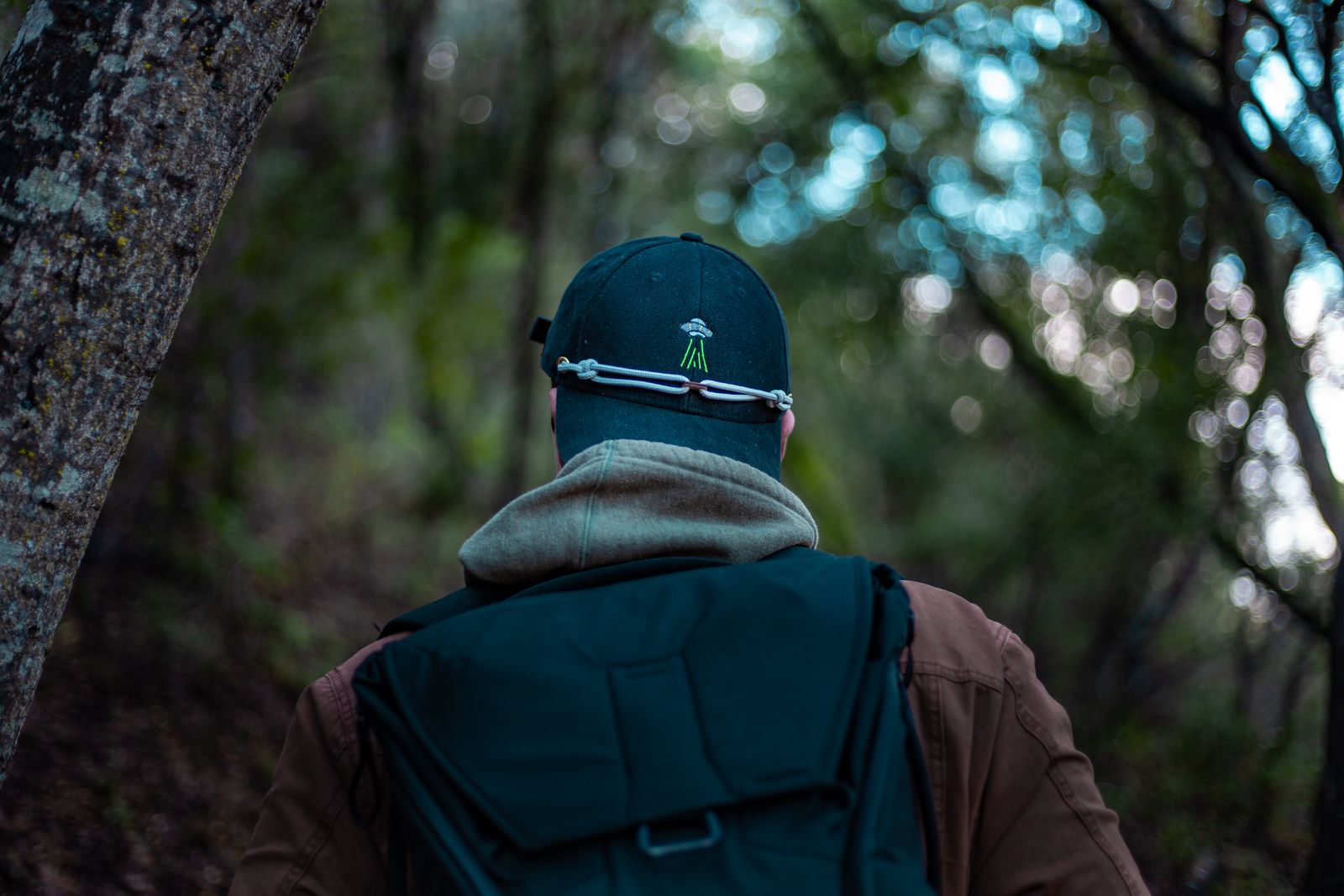
A cap’s front brim is typically 2.5 to 2.75 inches, longer than a bucket hat’s 2 inches, so it shades your eyes and nose better when you’re walking toward the sun. Caps also fit under a rain hood or helmet, flip backward when the sun is behind you and pack flat. Most have more ventilation, especially trucker and 5-panel styles.
Where a bucket hat wins
A bucket hat’s brim runs all the way around, so it shades your ears and the back of your neck at least partly. That matters on long climbs with the sun behind you. Bucket hats are also comfortable, crushable and easy to wear off the trail.
The verdict
Of these two hiking hats, choose a cap if you hike mostly in forest, move fast or always wear a hooded sun shirt. Choose a bucket hat if you want a little all-round shade in a casual style. If your trail is open and sunny for hours, skip both and pick a wide-brim sun hat; neither a cap nor a bucket hat meets the 3-inch brim guideline.
| Feature | Cap | Bucket hat |
|---|---|---|
| Front brim | 2.5–2.75 in typical | About 2 in |
| Ears and neck | Exposed | Partly shaded |
| Airflow | Often high (mesh, perforations) | Moderate |
| Fits under a hood | Yes | Rarely |
| Packability | Good, flat | Very good, crushable |
| Best for | Forest, running, wind | Casual hikes, travel |
Why Do Hikers Wear 5-Panel Hats?
Walk any popular trail and you’ll spot plenty of flat-brimmed 5-panel caps. The name comes from the construction: five fabric panels instead of the six on a standard baseball cap, usually with one wide panel across the front.
Lighter, lower and flatter
Fewer panels and fewer seams mean less weight and less bulk. Most technical 5-panels use thin, stretchy synthetics, an unstructured crown and a low profile that sits close to the head. Many weigh 40 to 60 grams, which is why Outdoors Magic’s running testers kept reaching for them on hot races.
They fit under hoods and helmets
A low, soft crown slips under a rain hood, a climbing helmet or a bike helmet. That’s why climbers, cyclists and trail runners adopted 5-panels first, and hikers who move between those sports followed.
Folding brims and packability
Many trail 5-panels have a soft or foldable brim that tucks into a pocket and springs back into shape. Fjällräven’s Abisko Trekking Cap, for example, has a folding brim that Outdoors Magic’s tester could stuff away without losing its form.
The style factor
The 5-panel also simply looks good. The flat brim and clean front panel carry bold logos and patterns well, which is why brands like Coal, Ciele and Buff sell so many. If you want cool hiking hats that work in town and on the trail, a 5-panel is an easy pick. Just remember that its short brim leaves your ears and neck bare.
What Color Hat Is Better for Sun Protection?
Color affects two different things: how much UV reaches your skin and how hot the hat feels. They pull in opposite directions, which is why the answer often confuses people.
Dark colors block more UV
The Skin Cancer Foundation’s guide to how clothing blocks UV explains that dark or bright colors such as black, navy and red absorb more UV than whites and pastels, so less of it reaches your skin. The same guide recommends a brim of 3 inches or more and a tight weave over a loose straw weave.
Light colors run cooler
Dark fabric also absorbs more visible light and heat. On a hot desert climb, a black hat warms your head more than a white or sand-colored one. Switchback Travel’s tester chose a white cap over darker options for exactly that reason.
How to get both
The rating on the tag settles most of the debate. Once a hat carries UPF 50, it already blocks about 98% of UV whatever its color, so you can choose a light shade for comfort without giving up protection. Look for:
- A light top in white, tan, sand or pale gray to reflect heat
- A dark underbrim in navy, gray or green to absorb glare bouncing off water, snow and rock
- Tightly woven mesh rather than open netting, since UV passes through gaps
- Bright colors if visibility matters, such as hunting season or low light
If your hat has no UPF rating, a darker or brighter color gives a little more UV protection. If it does, choose the color that keeps you coolest; most cool hiking hats now come in pale shades for exactly that reason.
Hiking Hats for Women: Fit and Features That Matter
Most hiking hats are sold as unisex, but heads, hairstyles and fit preferences vary a lot. A few details make the difference between a hat you tolerate and one you wear every day.
Ponytail ports and hair-friendly designs
A ponytail port or an open back lets a ponytail sit comfortably without pushing the hat forward. Many caps with an adjustable strap leave a natural gap at the back; others, like some waterproof caps, don’t. Advnture’s testers flagged the Gore-Tex cap for having no ponytail gap, while Gore’s mesh cap does. For sun hats, a crown cinch rather than a fixed band leaves room for a bun or braid.
Sizing for smaller heads
Many one-size hats run large. CleverHiker found the Sunday Afternoons hats run big even in the smallest size, while The North Face Horizon Breeze Brimmer fit snugly and suited smaller heads. Hats with two or more adjustment points, a crown cinch plus a chin cord, give the most reliable fit.
Women’s-specific options
Some brands now cut separate versions. Solbari sells the Trekker in men’s and women’s sizes, and Decathlon offers men’s and women’s Forclaz trekking hats with UPF 50+ fabric and different circumferences. REI tends to offer wide size runs, with its Sahara Rain Hat available in four sizes.
The best hiking hats for women by situation
- Full sun and wind: Solbari Trekker (women’s) or Sunday Afternoons Ultra Adventure in the smaller size
- Small heads: The North Face Horizon Breeze Brimmer
- Ponytails and running: a 5-panel or trucker cap with an open adjustable back
- Style on and off the trail: REI Co-op Flash Bucket Hat or a patterned cap from Skida
Pair any of these with breathable lower layers too. Our guide to Womens Hiking Shorts: 10 Best Pairs Tested for Every Trail covers the other half of a warm-weather kit.
How to Choose a Hat for Hiking
Once you know the type you want, six details decide whether a hat earns a permanent spot in your pack.
Brim width and shape
Aim for 3 inches or more for exposed trails. A slightly downturned brim shades your face when the sun is low in the morning and evening. A flat, stiff brim resists wind better but packs poorly; a soft brim packs easily but can flop when wet.
UPF rating and weave
UPF tells you how much UV gets through the fabric. UPF 50 blocks about 98%, and UPF 30 to 40 is still very good. Check mesh panels: CleverHiker found loosely woven mesh on several hats let UV through, which matters if you have thin hair or a shaved head.
Ventilation and materials
Nylon and polyester dry fast and resist UV, and a little elastane adds stretch. Mesh panels, perforations or grommets release heat. Cotton is comfortable but holds sweat, and straw shades well but crushes easily and lets UV through its gaps.
Retention in wind
Look for a chin cord, a crown cinch or a stretchy band. CleverHiker tested hats in 15 to 20 mph winds and found brims and capes flipping on several models, while the Solbari and GearTop stayed put. A removable chin strap is ideal, since you can unclip it when the air is still.
Weight and packability
Most hiking hats weigh 1.5 to 4.5 ounces. Light hats feel better over a long day and pack smaller. Hats that fold in half or quarters slide into a side pocket; stiff hats are better clipped to the outside of your pack.
Pack compatibility
A long back brim can bump a tall backpack every time you look up. If you carry a big pack, choose a shorter back brim, a cape instead of a full brim, or a cap paired with a sun hoodie.

Matching Hiking Hats to Your Terrain
The same hat for hiking can be perfect on one trail and frustrating on the next, so match it to where you hike most.
Desert and canyon trails
Strong sun, reflected light and little shade call for the widest coverage. A sun hat with a cape or a wide-brim hat like the Sunday Afternoons Latitude in a light color is the safest choice. Add a chin cord for afternoon wind.
High alpine and snow
UV rises with altitude, and snow reflects it back at your face and neck. A caped sun hat or a cap with a cape protects best, and a low-profile hat that stays on in wind beats a big brim that flips. Keep a beanie in your pack for the summit.
Forest and mixed terrain
Shade is common, so airflow matters more than coverage. A ventilated cap, a trucker hat or a bucket hat keeps you cool and handles the open stretches. The Path Projects Saguaro and Patagonia Duckbill suit these trails well.
Rainy and shoulder-season hikes
A waterproof brimmed hat such as the REI Sahara Rain Hat channels water away from your collar. A cap under your jacket hood also works, because the brim keeps the hood off your face and rain out of your eyes.
Winter hiking
Swap shade for warmth. A beanie with a fleece band or a merino hat keeps your head warm without much weight, and a neck gaiter adds face and neck cover. Advnture’s testers rate low-profile beanies that fit under a helmet or hood as the most versatile.
Pairing Your Hat With the Rest of Your Sun Kit
No hat for hiking covers everything, and the Skin Cancer Foundation advises combining hats with clothing, sunscreen, sunglasses and shade. A good system is simple.
The cap and sun hoodie combo
Many thru-hikers wear a ballcap under the hood of a sun shirt. The cap’s brim holds the hood off your face, and the hood covers your ears and neck. It’s lighter and less wind-prone than a wide-brim hat. Our guide to the Best Hiking Hoodie: 10 Amazing Sun Hoodies for Men and Women covers how to choose one.
Sunglasses and sunscreen
Wear sunglasses with full UV protection, especially on snow or water. Put sunscreen on the places your hat misses: your lower face, chin and, with a cap, your ears and neck.
A neck gaiter for extra cover
A lightweight neck gaiter adds cover to a cap or bucket hat and can be pulled up over your nose on bright, dusty days. It also works as a sweatband or a thin warm layer.
How to Care for Your Hiking Hats
Hiking hats live hard lives: sweat, sunscreen, dust and being stuffed into packs. A little care keeps hiking hats working for years.
Washing without ruining the shape
Hand-wash in cool water with a mild detergent, focusing on the sweatband. Skip the dryer and let the hat air-dry on a bowl or a rolled towel so the brim keeps its shape. Avoid fabric softener, which can coat fibers and reduce wicking.
Beating odor on multi-day trips
Synthetic hats hold odor. Switchback Travel suggests rinsing your hat in a stream, massaging the sweatband to break up salt and drying it in the sun rather than stuffing it away damp. A thin bandana under the hat can absorb sweat, though it adds warmth.
Refreshing water repellency
When water stops beading on a rain hat, wash it gently and add a spray-on or wash-in repellent treatment. Avoid washing waterproof hats more than you need to.

When to replace a hat
Replace a hat when the brim no longer holds its shape, the chin cord or cinch fails, or the fabric thins enough to see light through it. Sun fading is cosmetic, but heavy fading is a good prompt to check the fabric.
What Are the Top 5 Hat Brands for Hiking?
Plenty of brands make good headwear, but five names appear again and again in independent hat tests:
- Sunday Afternoons: a sun hat specialist known for consistent quality, UPF 50 fabrics and protective designs like the Ultra Adventure and Latitude
- Outdoor Research: technical caps and sun hats, including the Sun Runner with its removable cape
- Patagonia: durable, well-made caps and brimmers such as the Duckbill and Quandary, often with recycled materials
- Tilley: tough, long-lasting hats sized by exact head measurement and backed by a lifetime guarantee
- REI Co-op: good value and wide size ranges, from the Flash Bucket to the Sahara Rain Hat
Close runners-up include Solbari for full-coverage sun hats, Buff for caps and neck gaiters, and Columbia for budget options. With the best hiking hats, brand matters less than fit, brim width and UPF, so use these names as a starting shortlist.
Hiking Hats FAQ
What are the best hiking hats?
The Sunday Afternoons Ultra Adventure is the best all-round sun hat for most hikers, while the Solbari Trekker offers the fullest coverage in wind. For caps, the Outdoor Research Sun Runner adds neck protection and the Patagonia Duckbill gives the best airflow.
What type of hat is best for hiking?
For exposed, sunny trails, a wide-brim sun hat with UPF 50, a brim of at least 3 inches and a chin cord is best. For forest trails or fast hiking, a ventilated cap works well, especially paired with a hooded sun shirt.
Which is better for hiking, a cap or a bucket hat?
A cap has a longer front brim and more airflow and fits under a hood, so it’s better for forest trails and running. A bucket hat shades the ears and neck a little more. On long, open trails, a wide-brim sun hat beats both.
Why do hikers wear 5 panel hats?
Hikers wear 5-panel hats because they’re light, low-profile and breathable, fit under hoods and helmets, and often have packable brims. They also look good in town. Their short brim gives limited sun protection, so pair them with sunscreen or a sun hoodie.
What color hat is better for sun protection?
Dark and bright colors absorb more UV than light ones, so they protect slightly better on unrated fabric. Light colors stay cooler in heat. With a UPF 50 hat, color matters little for UV, so choose a light top and a dark underbrim.
What are the top 5 hat brands?
For hiking, Sunday Afternoons, Outdoor Research, Patagonia, Tilley and REI Co-op stand out in independent tests. Solbari, Buff and Columbia are also worth a look.
Are there good hiking hats for women?
Yes. The Solbari Trekker comes in a women’s cut, and The North Face Horizon Breeze Brimmer suits smaller heads. Look for a crown cinch, a chin cord and an open back or ponytail port.
What are some cool hiking hats that still perform?
Patterned caps from Skida and Ciele, the REI Co-op Flash Bucket Hat and the Patagonia Duckbill Trucker look good off the trail while staying light and breathable. Check the UPF rating and brim width before relying on them in full sun.
How do I keep my hiking hat from blowing away?
Choose a hat with a chin cord, a crown cinch or a snug elastic band, and tighten it before you reach exposed ground. A downturned or stiffer brim also resists flipping better than a floppy one.
How do I measure my head for a hiking hat?
Wrap a soft tape measure around the widest part of your head, just above your eyebrows and ears, without pulling tight. Compare the number with the brand’s size chart, since sizing varies between brands.
Find the Best Hiking Hats for Your Trails
The best hiking hats aren’t about the logo on the front. They come down to three matches: brim width to how exposed your trails are, ventilation to how hot and hard you hike, and retention to how windy it gets.
If you’re not sure where to start, choose a light-colored, UPF 50 sun hat with a brim of at least 3 inches and a chin cord for open trails, or a ventilated cap paired with a sun hoodie for forest and fast hikes. Wear it on your next long day and adjust from there.
Your next step is simple: look at the trail you’ll hike most this season, decide whether coverage, airflow or style matters most, and pick one hat from the table above. For more trail-tested clothing advice, browse our hiking gear guides, read more sun protection advice, or head back to the HikeAdvice homepage for new guides as they go live.