


Car hiking starts long before the first step on the trail. The last few miles to many trailheads are gravel, washboard or rutted dirt, and the car you drive decides whether you reach the parking area or turn back at the first deep pothole. In Canyonlands National Park, the Park Service warns that towing a stuck vehicle from a backcountry road usually costs more than $1,500, which is a painful price for picking the wrong car.
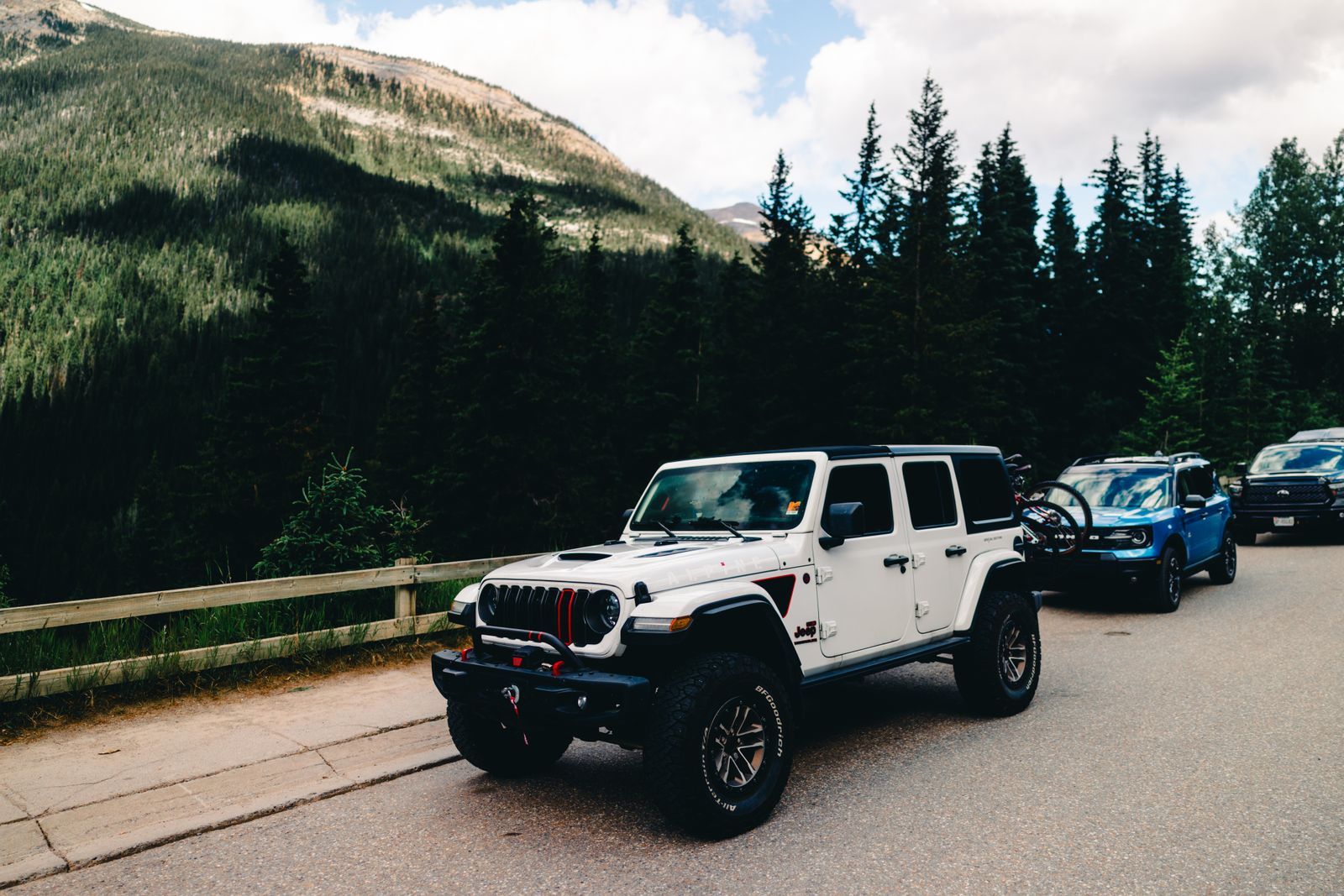
This guide is for the hiker who drives to the hike. Maybe you own a sedan and keep wondering whether it can handle forest service roads. Maybe you are shopping for a new car and want something that can carry a pack, a muddy dog and two sleeping pads without drama. Or you are planning a road trip that strings together a week of trailheads, and you want to know which cars for hiking actually earn their reputation.
We will cover what car hiking really is, the features that separate good hiking cars from showroom poseurs, and ten proven picks for different trails and budgets. You will also get straight answers to the questions hikers search most: what is the best car for hiking, which car is best for uphill driving, what car is best for hills, and which SUV to stay away from.
Who this guide is for
Most of the advice here assumes trailheads in national forests, national parks and state lands, reached by a mix of paved highways, mountain passes and unpaved access roads. That covers the vast majority of day hikes and weekend trips.
If your plans involve technical four-wheel-drive routes with rock ledges and deep sand, the stakes change. Those roads need purpose-built vehicles and driving skill, and we will flag where that line sits so you never guess.
How we chose the picks
We looked at the specs that matter on real trailhead roads: ground clearance, drivetrain, tire options, cargo length, fuel range and long-term reliability. Manufacturer figures from Subaru, Toyota and Ford, official National Park Service road guidance and owner reliability survey data from Consumer Reports shaped the list.
We also leaned on the experience of driving dirt roads to trailheads in everything from a front-wheel-drive hatchback to a body-on-frame SUV. The goal is simple: the right car hiking setup should get you to the trail safely, carry your gear and still be pleasant on the long highway drive home.
What Is Car Hiking and Why Your Car Matters
Car hiking describes any trip where a vehicle is your link between trails. The simplest version is the classic day hike: drive to a trailhead, hike, drive home. The bigger version strings several hikes together over a long weekend or a week, with the car acting as transport, gear locker and sometimes bedroom.
Some writers use the term for slow travel, where you drive scenic back roads and stop often for short walks. Tour companies sell the same idea as “drive and hike” holidays, handing you route notes for a region and letting you choose a different trail each day. All of these versions share one truth: the car shapes which trails you can reach.
The trailhead road is the real test
The hike itself rarely tests your car. The access road does. A paved road to a national park trailhead suits any vehicle. A graded gravel road suits most vehicles in dry weather. A rutted, rocky forest road with water bars and washouts is where low cars scrape, overheat their clutches or puncture a tire on a sharp rock.
The National Park Service is blunt about this. In Canyonlands, its maintenance standard for backcountry roads allows rock protrusions between six and nine inches high. A typical sedan has roughly five to six inches of clearance, so the math explains itself.
Car hiking versus car camping
Car camping means sleeping in or next to your vehicle. Car hiking is broader and focuses on the hike, but the two overlap constantly. Many hikers sleep at or near the trailhead to start early, beat the heat or grab a parking spot at a popular trail.
That overlap matters when you choose a vehicle. The best car for hiking and camping needs a flat cargo floor long enough to lie down, not just enough space for a daypack. We cover that in its own section below.
What a better car actually changes
A capable car does three things for a hiker. It widens your list of reachable trailheads, it lowers the stress of every rough road and bad-weather drive, and it gives you a reliable base when you are far from cell service.
It does not make you a better driver, and it does not replace judgment. Plenty of hikers reach remote trails in old front-wheel-drive wagons because they drive slowly, check road reports and turn around when a road looks wrong. Hold onto that mindset as you read the specs below.
What Makes Good Cars for Hiking: 7 Features That Matter
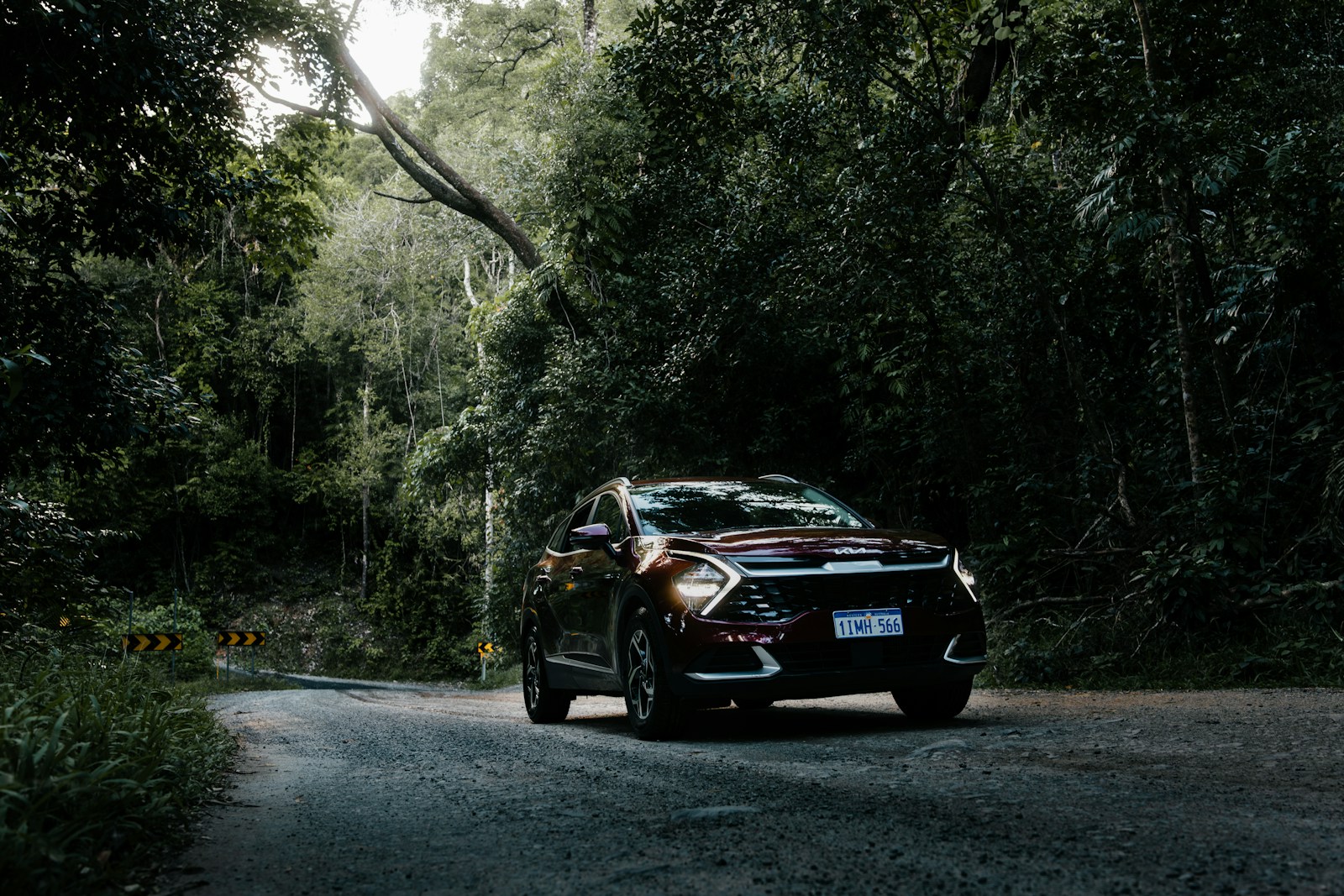
Shopping for cars for hiking is easier once you know which numbers actually matter on a trailhead road. Horsepower and 0–60 times barely register. These seven features do.
1. Ground clearance
Ground clearance is the distance between the lowest point under the car and flat ground. It decides whether a rock or a deep rut scrapes your oil pan, exhaust or fuel tank. For car hiking on typical forest roads, aim for at least 8 inches. Around 8.5 to 9.5 inches covers most rough access roads.
The National Park Service defines a qualifying four-wheel-drive vehicle in Arches and Canyonlands as an SUV or truck with at least 8 inches of clearance and 15-inch wheel rims. That gives you a useful baseline even outside the parks.
Keep in mind that clearance shrinks when the car is loaded. Four adults, a cooler and a roof box can compress the suspension by an inch or more, so pick a car with a little spare clearance.
2. AWD versus 4WD
All-wheel drive sends power to all four wheels automatically and works well on gravel, mud, snow and wet pavement. Most crossovers, including every Subaru on our list, use AWD. For the majority of hiking cars, AWD is the sweet spot.
Four-wheel drive with a low-range transfer case is a different tool. Low range multiplies torque for very slow, steep, rocky climbs. The Park Service notes that AWD vehicles do not meet its four-wheel-drive definition in Arches and Canyonlands, and that true 4WD with low range is required on routes like the White Rim Road. You only need that if those routes are on your list.
3. Tires and the spare
Tires matter more than drivetrain on many trailhead roads. Thin highway tires with low sidewalls puncture easily on sharp gravel. All-terrain tires with thicker sidewalls resist cuts and grip better on loose surfaces.
Check the spare as well. Many modern SUVs ship with a compact “donut” spare or only an inflator kit. Neither helps much with a sidewall tear 20 miles down a dirt road. A full-size spare is worth paying for if you drive remote roads often.
4. Cargo length and layout
Measure the cargo floor with the rear seats folded. You want room for packs, boots, a cooler and trekking poles without stacking gear to the ceiling. If you plan to sleep inside, you need roughly 72 inches of flat length for most adults.
Low load floors, tie-down points and washable cargo liners make a big difference after muddy hikes. Roof rails let you add a cargo box when the cabin fills up.
5. Fuel range
Trailheads are often far from gas stations. A car with 400 miles or more of range lets you drive in, hike, explore a second trailhead and drive out without hunting for fuel. Hybrids shine here, since their efficiency stretches a modest tank a long way.
Electric vehicles can work for car hiking on popular routes, but plan charging carefully. Mountain climbs, cold mornings and heavy loads all cut range, and rural chargers can be sparse.
6. Reliability
A breakdown at the mall is an inconvenience. A breakdown at the end of a remote forest road is an expensive, sometimes risky night. Reliability ranks higher for hikers than for most drivers.
Consumer Reports builds its reliability ratings from owner surveys covering hundreds of thousands of vehicles, and those ratings are worth checking before you buy any of the hiking cars on your shortlist. Toyota and Subaru consistently score well, which partly explains their dominance at trailheads.
7. Comfort on the long drive
Most car hiking trips involve more highway than dirt. A firm, rattly off-roader can turn a four-hour drive into a chore. Supportive seats, a quiet cabin, adaptive cruise control and a comfortable ride matter, especially after a long hike when you are tired.
This is why most hiking cars on our list are capable crossovers rather than hardcore 4x4s. A good crossover handles 95 percent of trailhead roads and stays pleasant for the other 300 miles of the trip.
The 10 Best Cars for Hiking by Trail Type
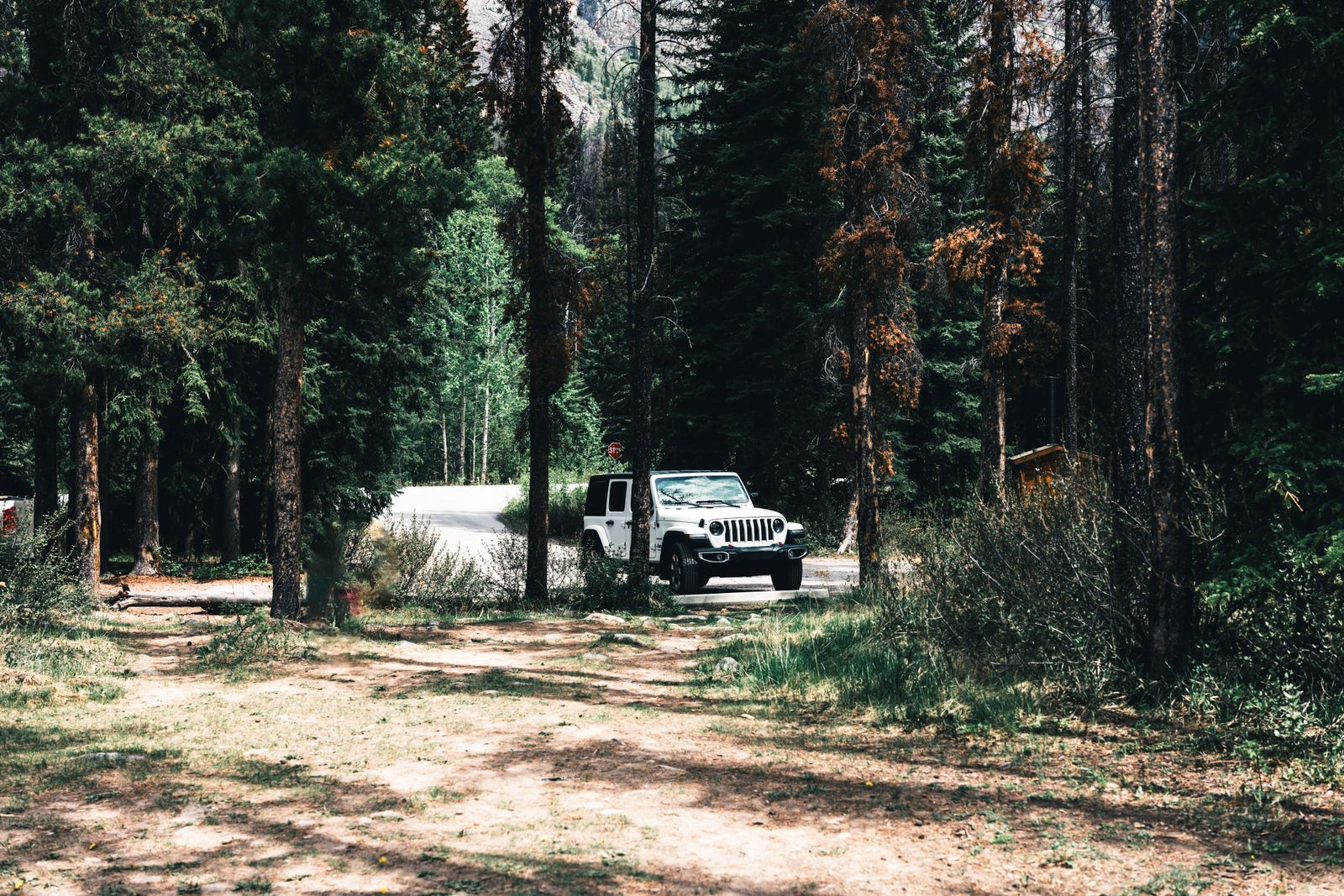
There is no single winner, because trailheads differ. The best car for hiking near paved national park roads is not the best car for remote desert tracks. These ten cars for hiking cover the common scenarios, from budget-friendly crossovers to trail-ready trucks.
| Car | Ground clearance | Drivetrain | Best for |
|---|---|---|---|
| Subaru Outback | 8.7 in (9.5 in Wilderness) | Standard AWD | All-round car hiking and sleeping inside |
| Subaru Crosstrek | 8.7 in (9.3 in Wilderness) | Standard AWD | Budget and solo hikers |
| Subaru Forester | 8.7 in (9.2 in Wilderness) | Standard AWD | Visibility and boxy cargo space |
| Toyota RAV4 | About 8.1 in (8.5 in Woodland) | AWD available | Reliability and hybrid range |
| Ford Bronco Sport | 7.8 in (up to 8.8 in) | Standard 4×4 | Small size with real trail tech |
| Toyota 4Runner | Over 9 in on most trims | 4WD with low range available | Rough roads and long life |
| Toyota Tacoma | Varies by trim | 4WD available | Truck bed for gear and rooftop tents |
| Ford Bronco | Up to 11.6 in | 4WD with low range | Technical roads |
| Honda CR-V | Around 8 in | AWD available | Paved and gravel trailheads |
| Toyota Sienna | Around 6 in | AWD standard | Families and paved trailheads |
Clearance figures come from manufacturer and dealer specs and vary by model year and trim, so confirm the exact figure for the car you are considering.
1. Subaru Outback: the best all-round car for hiking
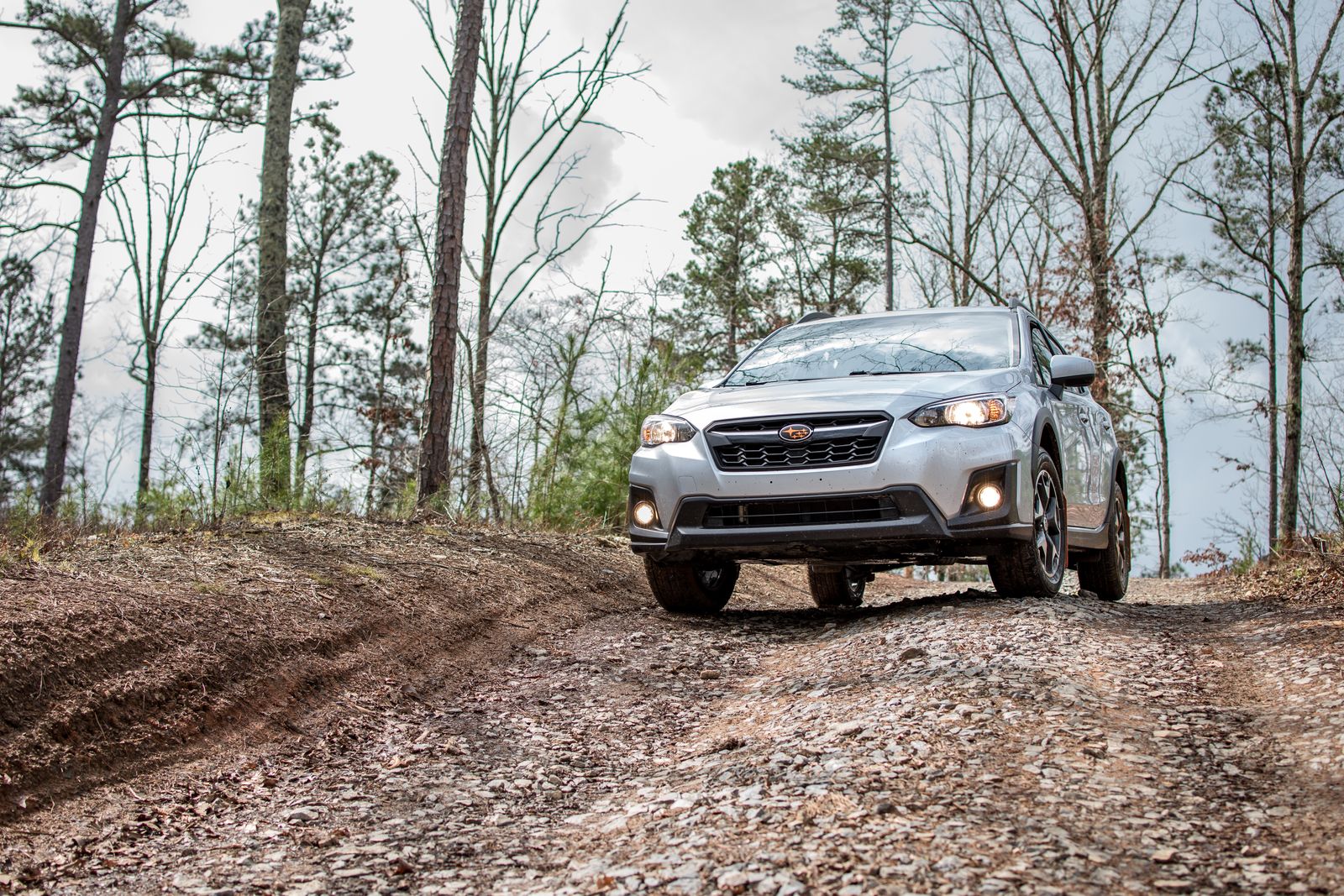
If one car defines trailhead parking lots, it is the Outback. Subaru quotes 8.7 inches of ground clearance and standard Symmetrical All-Wheel Drive, while the Wilderness trim raises clearance to 9.5 inches and adds a front skid plate.
The long wagon body is its secret weapon. With the rear seats folded, most adults can sleep inside, which makes it a strong contender for the best car for hiking and camping. The ride is comfortable on the highway, and roof rails come standard. The trade-off is a CVT transmission that feels less eager on steep climbs than a conventional automatic.
2. Subaru Crosstrek: the budget trailhead hero
The Crosstrek delivers most of the Outback’s capability in a smaller, cheaper package. Subaru lists the same 8.7 inches of standard clearance, with the Wilderness trim rising to 9.3 inches.
It suits solo hikers and couples who travel light. It is easy to park at crowded trailheads and fuel-efficient on long drives. The rear cargo area is short for sleeping, and the base engine feels strained on long mountain grades, so choose the larger engine if you drive in the mountains often.
3. Subaru Forester: the visibility pick
The Forester trades the Outback’s wagon shape for a taller, boxier body. That means more headroom, a tall cargo opening and excellent outward visibility, which helps when you are picking a line around ruts.
Standard clearance is again 8.7 inches, and Subaru lists 9.2 inches for the Forester Wilderness. It is one of the most practical hiking cars for people who carry bulky gear such as camp chairs, coolers and a dog crate.
4. Toyota RAV4: reliability and range
The RAV4 is one of the best-selling SUVs in America for a reason. It combines Toyota’s reliability record with available AWD and an efficient hybrid option that stretches a tank a long way, a real asset when trailheads sit hours from fuel.
Standard trims have just over 8 inches of clearance, while Kelley Blue Book lists 8.5 inches for the current Woodland Edition. It handles graded gravel and moderate forest roads well. For rough, rocky roads, it is a step behind the Subaru Wilderness trims and the Bronco Sport Badlands.
5. Ford Bronco Sport: small with serious trail tech
Do not confuse the Bronco Sport with the full-size Bronco. It is a compact crossover, but Ford gave it standard four-wheel drive, terrain modes and, on the Badlands trim, a twin-clutch rear drive unit that can send torque to a single rear wheel.
Ford quotes 7.8 inches of standard clearance and up to 8.8 inches with the available all-terrain tires. The boxy shape carries gear well, and the size makes it easy to live with. Fuel economy trails the hybrids on this list.
6. Toyota 4Runner: the rough-road workhorse
The 4Runner is a body-on-frame SUV built for punishment. Most trims sit over 9 inches off the ground, and 4WD versions offer low range for steep, slow climbs. It is one of the most respected hiking cars for remote roads in the West.
Owners routinely keep them well past 200,000 miles. The downsides are a truck-like ride, a thirsty engine and a price that holds high even on used models. If your hikes start at the end of rough roads, it earns its keep.
7. Toyota Tacoma: the truck for gear-heavy trips
Among hiking cars, a midsize pickup suits hikers who carry a lot: rooftop tents, bikes, kayaks or a camper shell for sleeping. The Tacoma offers 4WD and off-road trims with skid plates and all-terrain tires.
A truck bed keeps muddy gear out of the cabin. The trade-off is a harsher ride when empty and less secure storage at trailheads unless you add a locking cover. That second point matters, as we explain in the safety section.
8. Ford Bronco: for technical roads
The full-size Bronco is a genuine off-roader. Higher trims offer up to 11.6 inches of clearance, solid four-wheel-drive hardware and low range. If you want to reach trailheads behind serious 4×4 routes, it opens doors that crossovers cannot.
For most car hiking, though, it is more capability than you need. Wind noise, fuel use and price are all higher than a crossover. Buy it if technical roads are a regular part of your trips, not just a someday dream.
9. Honda CR-V: the paved-trailhead commuter
The CR-V is a smart pick if your hikes mostly start from paved roads or well-graded gravel. AWD versions handle snow and wet roads confidently, and clearance is around 8 inches depending on trim.
It is roomy, efficient and comfortable, with a huge cargo area for its size. It lacks the underbody protection and trail modes of the Subarus and the Bronco Sport, so treat rough forest roads with care.
10. Toyota Sienna: the family hiking car
The Sienna is an odd entry, and that is the point. Families who hike with kids need seats, space and comfort more than clearance. The Sienna comes with AWD, hybrid efficiency and a cabin that swallows strollers, child carriers and a week of gear.
Its low clearance limits it to paved roads and smooth gravel. Within those limits, it is one of the most comfortable cars for hiking trips with a crowd.
Best Car for Hiking and Camping: Sleeping at the Trailhead
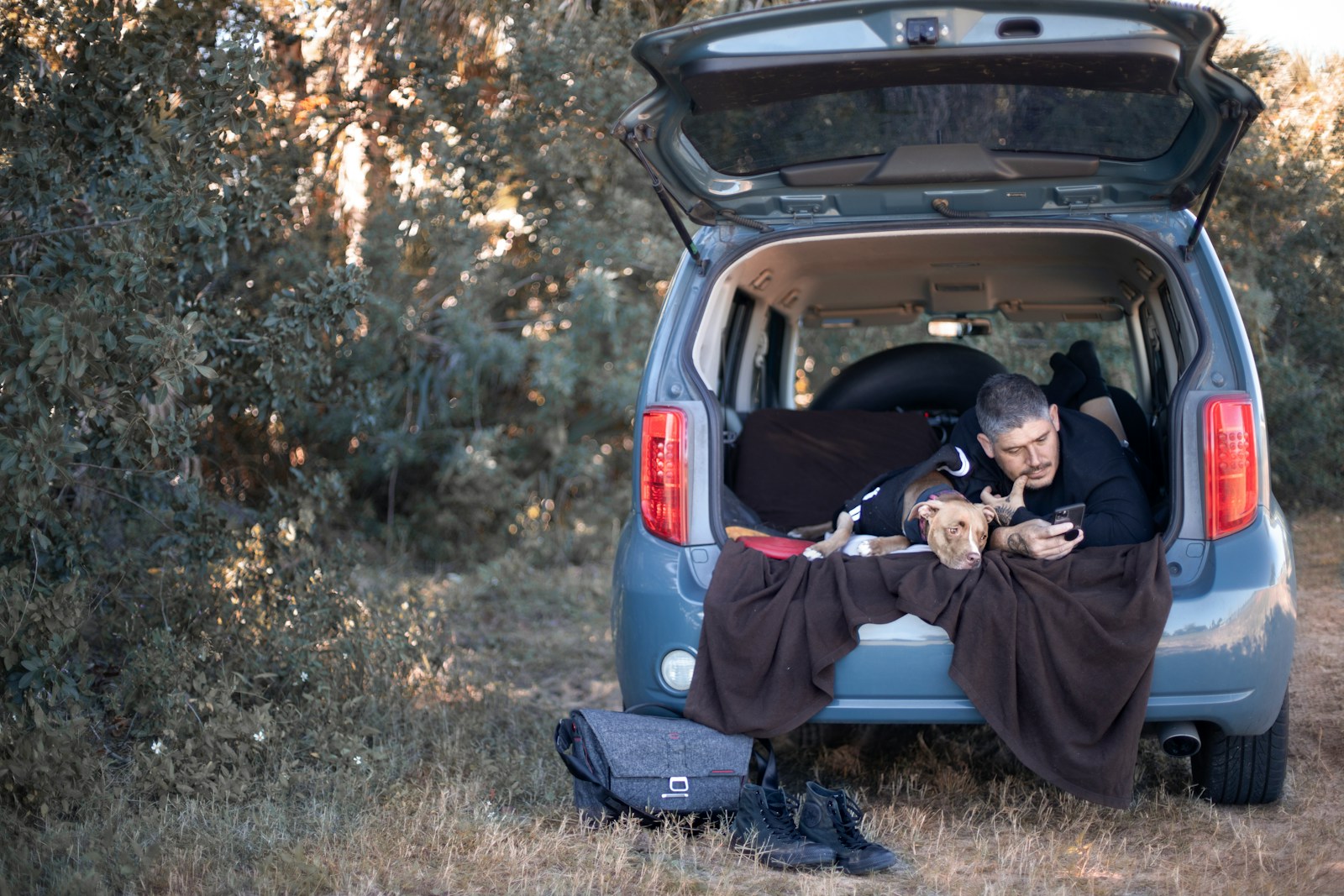
Sleeping at the trailhead changes your car hiking priorities. You still need clearance and traction, but cabin layout suddenly matters as much. The best car for hiking and camping lets you stretch out flat, stay dry and wake up a few steps from the trail.
What to look for when you sleep inside
Start with flat length. Fold the rear seats and lie down in the showroom. If your feet hit the front seat backs, keep looking. Wagons like the Outback and minivans like the Sienna usually beat compact SUVs here.
Next, look at the floor. Some cars fold flat, others leave a slope or a step. A simple sleeping platform built from plywood can level the floor and create storage underneath.
Finally, think about ventilation and privacy. Window screens, cracked windows with rain guards and blackout panels make a big difference to sleep quality and condensation.
Our top picks for sleeping in
The Subaru Outback is the classic choice: long, comfortable and capable. The Toyota Sienna is the roomiest option for families on paved routes. A Toyota Tacoma with a camper shell or rooftop tent suits hikers who want to keep sleeping space and muddy gear separate.
The Subaru Forester works well for one person, or two who do not mind a cozy fit. The Crosstrek and Bronco Sport are short for most adults, so consider a rooftop tent if you own one of those.
Rules and etiquette for sleeping at trailheads
Not every trailhead allows overnight parking, and sleeping in a car is treated as camping in many parks. In the UK, for example, you generally need landowner permission in England, Wales and Northern Ireland, while Scotland’s access rules are more relaxed.
In the US, many national forests and Bureau of Land Management lands allow dispersed camping with limits on how long you stay. National parks are stricter and usually require a campsite. Check the rules for your exact area, park legally and leave no trace.
Make the night comfortable
A good night in a car needs the same basics as a tent: an insulated pad, a sleeping bag rated for the low temperature and a headlamp for midnight trips outside. For a reliable light, see our guide to the best hiking headlamp picks for night hikes and camp.
Pack a small kit bin with a stove, a pot, water and breakfast so you are walking at first light instead of digging through bags.
Which Car Is Best for Uphill Driving and Hills?
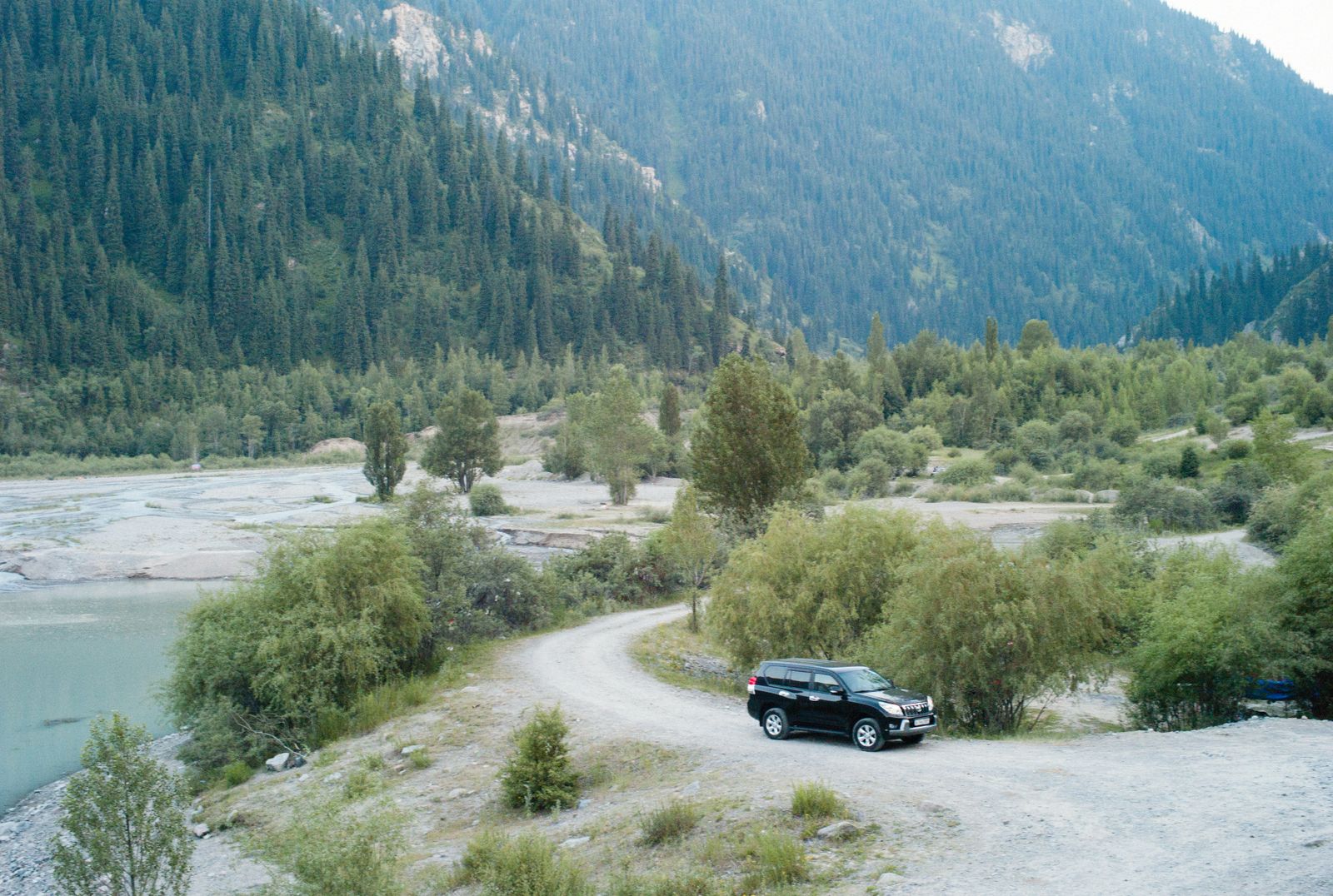
Steep mountain roads are where car hiking gets demanding. For uphill driving, the car that wins is not the one with the biggest horsepower figure. It is the one with enough low-end torque, gearing that keeps the engine in its power band and brakes that stay strong on the way back down.
Torque beats horsepower on climbs
Torque is the twisting force that gets a loaded car moving up a slope. Engines that make strong torque at low rpm, including turbocharged engines, diesels and hybrids with electric assistance, feel relaxed on steep grades. Small naturally aspirated engines often have to rev hard and still slow down.
Hybrids deserve a special mention. Their electric motors deliver instant torque, which helps from a standstill on a steep switchback. The RAV4 Hybrid and Sienna both benefit from this.
Altitude saps engine power
Thinner air at high elevation means less oxygen for combustion. A widely used engineering rule of thumb says naturally aspirated engines lose roughly 3 percent of their power for every 1,000 feet of elevation. At 10,000 feet, that adds up to around 30 percent.
Turbocharged engines recover much of that loss because the turbo compresses the thin air. If you regularly drive high mountain passes to reach trailheads, a turbo or hybrid powertrain is a smart choice for hills.
What car is best for hills overall?
For most hikers, the best car for hills is a crossover or SUV with AWD, a turbocharged or hybrid powertrain and a transmission that lets you hold a low gear. The turbocharged Subaru Outback, the RAV4 Hybrid and the Bronco Sport all fit that profile.
For very steep, loose or rocky climbs, nothing beats true 4WD with low range, which is why the 4Runner and Bronco sit at the top for technical terrain. For paved mountain passes, almost any modern car with a healthy engine will do.
How to drive uphill safely
Technique matters as much as the car. Choose a lower gear before the climb starts rather than halfway up. Keep a steady speed and avoid stopping on loose gravel, since restarting on a slope is when tires spin.
Use hill-start assist if your car has it. On a narrow road, the uphill driver usually has the right of way, because restarting on a steep grade is harder than backing to a turnout for a downhill car.
Coming back down matters more
Going down is where brakes overheat. Shift into a lower gear or use your car’s manual mode so engine braking does most of the work. Brake firmly in short bursts rather than riding the pedal.
If your brakes feel soft or you smell burning, pull over and let them cool. Hill descent control, offered on many of the cars above, keeps speed steady on steep, loose descents.
Which SUV to Stay Away From for Car Hiking
Searching for which SUV to stay away from usually points to two problems. Some SUVs are unreliable, which is a bigger risk far from help. Others look rugged but sit low, lack AWD or ride on tires that shred on gravel. Both kinds make poor cars for hiking and can strand you at a trailhead.
SUVs with poor reliability records
Consumer Reports publishes annual lists of the least reliable new SUVs based on owner survey data. Recent coverage of those ratings has flagged models such as the Volkswagen Taos and Ford Explorer with low predicted reliability scores, and even the off-road favorite Jeep Wrangler scores below average for dependability.
Reliability changes by model year, so check the latest ratings for the specific year you are buying. As a rule, look closely at any model with a history of transmission, electrical or infotainment complaints, because those failures can leave you stuck rather than slowed down.
SUVs that are crossovers in costume
Many small SUVs are sold in front-wheel-drive form with about 6 to 7 inches of clearance, 19- or 20-inch wheels and low-profile tires. They look like hiking cars, but they behave like a hatchback on a rough road.
Before you buy, check three things: whether AWD is standard or optional, the real ground clearance figure and the tire sidewall height. Large wheels with thin tires are the most common reason crossovers get flats on gravel.
Luxury SUVs on remote roads
Luxury SUVs often have air suspension, complex electronics and expensive tires. They can be superb on pavement, but repairs far from a dealer are slow and costly. Consumer Reports has also pushed back on several luxury models over reliability and value.
If you own one, it can still make a fine car for hiking on paved and graded roads. Just respect its limits, carry a proper spare if possible and avoid rough tracks.
A quick red-flag checklist
Before you take any SUV down a dirt road to a trailhead, look for these warning signs:
- Front-wheel drive only, with no traction modes
- Less than 7 inches of ground clearance
- Low-profile tires on large wheels
- No spare tire, only an inflator kit
- A poor recent reliability score for that model year
Car Hiking Checklist: Prep, Packing and Trailhead Safety
Picking the right car is half of car hiking. The other half is preparing it and using it well. This car hiking checklist covers what to check before you leave, what to pack and how to protect your car while you hike.
Before you leave home
Check tire pressure, including the spare, and look for cuts or bulges in the sidewalls. Top up washer fluid, coolant and oil. Make sure your phone has offline maps of the area, since cell coverage often vanishes on the road in.
Research the access road. Read recent trip reports, call the ranger station or check the land agency’s road status page. Storms can turn an easy gravel road into a washed-out mess overnight.
What to keep in the car
A dedicated car hiking kit saves time and solves problems. Keep these items in a bin that lives in the trunk:
- Full-size spare, jack and lug wrench you have tested
- Portable tire inflator and a plug kit
- Jump starter pack
- Folding shovel and traction boards for sand or mud
- First aid kit and emergency blanket
- Extra water, snacks and a warm layer
- Paper map of the region
If you plan to spend time on unpaved roads, the Park Service also recommends rugged spare tires and off-pavement tires. Its guide to 4WD vehicles and off-pavement travel safety explains clearance ratings and road risk in plain language.
Gear that pairs well with hiking cars
The car is your gear locker, so keep a second set of trail basics in it. A spare sun hat, trekking poles and a light layer mean you are never stuck without them. Our tested picks for the best hiking hats and wooden hiking sticks are a good place to start.
For hot trailheads, a breathable sun hoodie protects your arms on exposed climbs. See our guide to the best hiking hoodie options for men and women. A change of dry clothes for the drive home, such as a pair of quick-drying womens hiking shorts, makes the ride back far more pleasant.
Protect your car at the trailhead
Trailhead break-ins are a real car hiking problem in popular areas. In the Great Smoky Mountains, more than 100 people were prosecuted over a decade for car break-ins at trailheads, and a ring of thieves in Pisgah National Forest stole roughly $10,000 of gear from parked cars.
The Forest Service advice is consistent. Leave valuables at home, or take them with you. If you must leave items in the car, hide them in the trunk before you arrive at the trailhead, not after you park, because thieves sometimes watch the lot.
More trailhead habits that help
Lock the car, set the parking brake and do not leave a hiking plan or note on the dashboard. Park facing out on narrow roads so you can leave quickly if weather turns.
Tell someone where you are going and when you expect to be back. If you return to find a break-in, report it to the local ranger district or sheriff, and to the trail organization if one manages the area.
When to turn around
The most important car hiking skill is knowing when to stop. Turn around if the road gets worse than you expected, if you cannot see the ground beyond a crest or if a water crossing looks deeper than your tire height.
Walking an extra mile on a road is always cheaper than a tow. Many hikers park at a wide turnout and treat the last stretch of road as a bonus warm-up.
Car Hiking FAQ
What is the best car for hiking?
For most hikers, the Subaru Outback is the best car for hiking. It combines 8.7 inches of clearance, standard AWD, a comfortable highway ride and enough length to sleep inside. If your trailheads sit behind rough, rocky roads, a Toyota 4Runner with 4WD and low range is the stronger choice.
Which car is best for uphill driving?
The best car for uphill driving has strong low-end torque, AWD or 4WD and a transmission that holds a low gear. Turbocharged and hybrid crossovers such as the turbo Outback and RAV4 Hybrid climb confidently on paved and gravel grades. For steep, rocky climbs, choose true 4WD with low range.
What car is best for hills?
For hills, pick a car with a turbo or hybrid powertrain, because naturally aspirated engines lose roughly 3 percent of their power per 1,000 feet of elevation. AWD adds traction on wet or loose surfaces, and hill-start assist and hill descent control make steep roads easier.
Which SUV to stay away from?
Stay away from SUVs with poor recent reliability scores and from front-wheel-drive crossovers with low clearance and low-profile tires. Recent Consumer Reports coverage has flagged models such as the Volkswagen Taos and Ford Explorer for low predicted reliability, but check the latest ratings for your model year.
What is the best car for hiking and camping?
The best car for hiking and camping offers about 72 inches of flat cargo length, AWD and good clearance. The Subaru Outback is the top all-round choice, the Toyota Sienna suits families on paved roads and a Toyota Tacoma with a camper shell works for gear-heavy trips.
Do you need AWD for car hiking?
You do not need AWD for every trail, since many trailheads sit on paved or smooth gravel roads. AWD helps on wet gravel, mud, snow and steep loose sections, which makes it the sensible default for hiking cars that see a mix of roads.
How much ground clearance do hiking cars need?
Aim for at least 8 inches of ground clearance for typical forest service roads. The National Park Service uses 8 inches as part of its four-wheel-drive definition in Arches and Canyonlands. For rough, rocky roads, 9 inches or more gives you a safer margin.
Can a sedan be one of the cars for hiking?
Yes, if you choose trails with paved or well-graded access roads. Sedans with good tires handle many national park and state park trailheads easily. Avoid rutted or rocky forest roads, drive slowly on gravel and turn around if the road deteriorates.
Car Hiking Done Right Starts at Home
The right car does not make the hike, but it decides which hikes are within reach and how much stress you carry on the way. Clearance, traction, tires and reliability matter far more than horsepower, and the long highway drive deserves as much thought as the last rough mile.
For most people, the smartest of all cars for hiking is a well-chosen AWD crossover with around 8.5 to 9 inches of clearance, which covers almost every trailhead. Truck-based SUVs and full 4x4s earn their place only if technical roads are a regular part of your plans. Whatever you drive, good car hiking habits, from checking road conditions to hiding valuables before you park, protect you more than any spec sheet.
Your next step is simple. Look up your car’s real ground clearance and spare tire type tonight, then build a trunk kit before your next trip. Once your car is ready, the only thing left to plan is the trail.