

A High Beam LED light hiking boot puts a pair of headlights where most hikers never think to put them: on the toe of the boot, a few inches above the dirt. High Beam Shoes says its top system throws more than 60 feet of forward light across a 180° spread, and the whole thing charges through a magnetic cable in under three hours. That is a bold claim for a light you never have to strap on.
We get asked about these boots more than almost any other niche product, usually by people who have fumbled with a dying headlamp on a dark descent and wondered if there is a better way. This guide is our answer. It pulls together everything High Beam publishes about its LED hiking boots, checks those claims against how light actually behaves on a trail, and tells you where the boots shine and where they fall short.
Why a High Beam LED Light Hiking Boot Is Worth a Closer Look
Most night hiking advice starts and ends with the headlamp. It is good advice, and we wrote a full guide to the best hiking headlamp options for exactly that reason. But a headlamp has two quiet weaknesses that anyone who hikes after dark has felt.
The first is shadow. A light mounted at eye level flattens the ground in front of you, because the beam and your line of sight run along almost the same path. Roots, rocks and ruts lose their depth. The second is reliance on one device: if the headlamp dies, slips off or gets left in the car, you are suddenly hiking by phone screen.
Footwear lighting attacks both problems. A light at ankle height hits the trail at a low angle, so every stone throws a long shadow and the surface reads in 3D. And because the lights live inside the boot, they are with you whenever the boots are.
What this guide covers
Here is what you will find below, in the order most buyers need it:
- How the boots work and where the lights sit
- The three High Beam light systems (HB3000, HB4500 and HB6000) compared side by side
- All 7 current LED hiking boots and shoes, with prices and who each one suits
- Battery life, charging and the storage mode feature
- An honest comparison with headlamps and clip-on shoe lights
- Safety habits for hiking at night in LED hiking boots
- A buying checklist and a FAQ built from the questions hikers actually ask
A note on how we wrote this
We have not worn a pair of High Beam boots through a full season, and we will not pretend otherwise. Everything here comes from the manufacturer’s published specs, independent coverage of the brand, safety guidance from park authorities, and our own night hiking experience with conventional lights.
Where High Beam’s numbers are clear, we quote them. Where they are missing or contradict each other, we say so. That matters with a product like this, because the light is the reason you are paying the price, and you deserve to know what is proven and what is marketing.
What a High Beam LED Light Hiking Boot Actually Is
At its simplest, a High Beam LED light hiking boot is a regular hiking boot with a sealed lighting module built into the front. There is nothing to clip on and nothing to strap around your head. You press a button on the side of the boot, or use the remote, and the toe lights up the ground ahead.
High Beam Shoes is the brand behind it. The company sells lit footwear across several categories, from kids’ light-up sneakers to night running shoes, but the hiking line is where the technology makes the most practical sense. Its own description calls the system completely integrated, with nothing to attach.
Where the lights sit
The LEDs sit in a housing at the front of each boot, angled forward and slightly up. On the HB6000 system there are four 5mm LEDs per boot. Two of them handle the low beam, and the second pair switches on for the high beam.
That split works like the headlights on a car, which is the comparison High Beam uses. Low beam gives you a short, wide pool of light for easy trail. High beam adds reach and lifts the angle, so you can see further ahead on open ground or when you need to scan for a junction.
The battery and charging port
Each boot carries its own rechargeable battery, sealed inside the sole area. High Beam describes it as water-proof and impact-proof, which is what you want from anything that lives under your foot and gets dunked in puddles.
Charging happens through a magnetic port on the side of the boot, next to the power button. You bring the USB cable near it and the magnet snaps on. There is no rubber flap to wear out and no tiny connector to pack with mud, which is a smart choice for a trail product.
Why low-mounted light changes what you see
This is the part most product pages skip, so it is worth a moment. Light that hits the ground at a shallow angle reveals texture. It is the same reason landscape photographers love the hour after sunrise: low light makes every bump cast a shadow.
A headlamp, by contrast, lights the trail from roughly where your eyes are. The result is bright but flat. Many experienced night hikers already carry a hand torch at waist height for this reason. Boot-mounted lights take that idea further down, which is a real advantage on rocky or root-heavy ground.
There is a trade-off, though. Your feet move. Every stride swings the beam forward, back and side to side, and the light points where your feet go rather than where you are looking. We will come back to what that means in practice.
HB3000 vs HB4500 vs HB6000: Comparing the High Beam Shoes Light Systems
High Beam Shoes builds its footwear around three light systems. Knowing which one a boot carries is the single most important thing to check before you buy, because it decides how far you can see and how long the light lasts.
| Feature | HB3000 | HB4500 | HB6000 |
|---|---|---|---|
| Forward light (brand claim) | 20 ft+ | 20 ft+ | 60 ft+ |
| Beam spread | Not stated | 180° radius | 180° radius |
| High/low beam | No | Yes | Yes |
| Rear safety lights | Yes, independent | Yes, independent | No, front only |
| Remote control | Yes | Yes | Yes |
| Magnetic quick charge | Yes | Yes | Yes |
| Runtime (brand claim) | Up to 6 hrs | Up to 6 hrs | Up to 10 hrs |
The HB3000: the runner’s system
The HB3000 is High Beam’s original system and it was built for road and trail runners. It has independent front and rear lights, so you can light your path and also show a rear safety light to traffic behind you.
High Beam’s FAQ gives a straight answer on runtime: four to six hours per charge. If you run only the front lights or only the rear lights, expect six hours or a bit more. With both on, it drops to around four. The forward reach is listed at 20 feet plus, which is fine for a jog under streetlights but short for real backcountry.
The HB4500: a middle step
The HB4500 keeps the front and rear lights of the HB3000 and adds two features borrowed from the hiking system: a 180° spread and the high/low beam switch. Forward reach stays at 20 feet plus on the technology page, and runtime is again listed at up to six hours.
In our reading, the HB4500 is aimed at people who walk or run in mixed settings, part road, part path. It is not the system you want for a technical trail at night.
The HB6000: the one built for hikers
The HB6000 is the system that makes a High Beam LED light hiking boot worth discussing. High Beam markets it for night hiking, trail running after dark, camping and hunting. It drops the rear lights entirely and puts all of its power into the front.
According to the brand, the four LEDs give a 180° radius of light in your immediate path and over 60 feet of forward light. The high beam adds a 30% higher vertical angle and up to 30 feet more reach. The technology page lists the elevation gain another way, as plus 20° with high beam. Both describe the same idea: high beam tilts the light up and pushes it further.
What the spec sheet does not tell you
Three gaps are worth flagging. First, High Beam does not publish a lumen rating for any system. Lumens are the standard measure of light output, and without them you cannot compare these boots fairly with a headlamp.
Second, the HB6000 page claims six watts of power from four 5mm LEDs. Standard 5mm LEDs are small, low-power parts, so that figure is hard to square with the hardware described. We would treat it as a marketing number until the brand publishes measured output.
Third, the runtime numbers do not line up. The technology page says up to 10 hours for the HB6000, while the Ridge Runner page, which can carry the HB6000, lists four to six hours. Plan around the lower number and you will not get caught out.
The 7 High Beam LED Hiking Boots and Shoes, Model by Model
High Beam’s hiking range is small, which makes choosing easier. Below are the 7 models listed on the brand’s site at the time of writing, with the prices shown there. Prices change and sales come and go, so treat these as a guide and check the live listing.
| Model | Who it is for | Listed price |
|---|---|---|
| Beast LED Night Hiking Boot | Men, serious night hikers | $200 |
| Stealth Hiking Boot | Men, everyday trails | $80 |
| Night Owl Hiking Boot | Women, everyday trails | $80 |
| LED Light Hiking Boot (Red) | Men, bright color option | $80 |
| Night Hiking Boot (Green Camouflage) | Men, hunters and campers | $80 |
| Kid’s Light-Up Hiking Boot | Children | $60 |
| Ridge Runner LED Hiking Shoes | Men and women, fast hiking | $120 |
Beast LED Night Hiking Boot (men’s)
The Beast is the flagship and the only boot in the range where High Beam states the HB6000 system comes standard. The product page describes it as the HB3000 layout plus two extra 5mm LEDs, which is how it reaches the brighter 180° spread and the 60-foot claim.
At $200 it costs more than double the other boots. If you are buying LED hiking boots mainly for the light, this is the model the marketing is built around, and the one we would shortlist first.
Stealth Hiking Boot (men’s)
The Stealth is the plain, dark option. It sits at $80, which makes it one of the cheapest ways into lit hiking footwear. The listing pages we could reach did not spell out which light system it carries, so confirm that before you order.
For casual evening walks, campground trips and short trails home after sunset, lower-cost night hiking boots like this make sense. For long, technical routes, the system matters more than the boot.
Night Owl Hiking Boot (women’s)
The Night Owl is the women’s hiking boot, also listed at $80, and High Beam’s own image labels describe it as waterproof hiking footwear. It comes in a blue colorway.
Women’s-specific lasts usually mean a narrower heel and lower volume, which matters for blisters on long days. As with the Stealth, check the listing for the light system before buying.
LED Light Hiking Boot (red) and green camouflage boot
These two share the $80 price point and differ mostly in look. The red version is the high-visibility choice. The green camouflage version leans toward hunters and campers who want a boot that does not stand out in the woods by day.
High Beam has also shown a prototype hunting boot with ultraviolet, red and green lighting, according to coverage in Digital Trends. That model had no published price, battery life or release date, so it is not a buying option yet.
Kid’s Light-Up Hiking Boot
The kids’ boot costs $60 and comes in blue, making it the cheapest of the High Beam shoes for hiking. For families who camp, a lit boot is a practical way to keep a child’s footing visible on the walk back from the campfire or the bathroom block. It also makes small hikers easier to spot in a group.
Ridge Runner LED Hiking Shoes (men’s and women’s)
The Ridge Runner is a low-cut hiking shoe rather than a boot, listed at $120. It is the best-documented model in the range. High Beam lists a water-resistant mesh upper, a dual-density EVA midsole for a running-shoe feel, high-abrasion rubber with multi-directional lugs, a gusseted tongue to keep debris out, and a nylon strap and lace combination for midfoot support.
It is offered with either the HB3000 or the HB6000 system, so read the variant carefully. For fast hikers who prefer trail-runner comfort over ankle support, this is the model to look at.
Battery, Charging and Storage Mode on LED Hiking Boots
Light output gets the headlines, but battery behavior decides whether LED hiking boots actually work on the night you need them. High Beam has made a few genuinely useful choices here.
How long the light lasts
The published figures are four to six hours for the HB3000 and Ridge Runner, and up to 10 hours for the HB6000 on the technology page. Runtime always depends on temperature and which lights you use, and High Beam says so in its FAQ.
Our planning rule: assume four hours of usable light until you have timed your own pair. Cold nights drain rechargeable batteries faster, and high beam will use more power than low beam. Four hours covers most evening descents and sunrise approaches, but not a full overnight trek.
Charging the boots
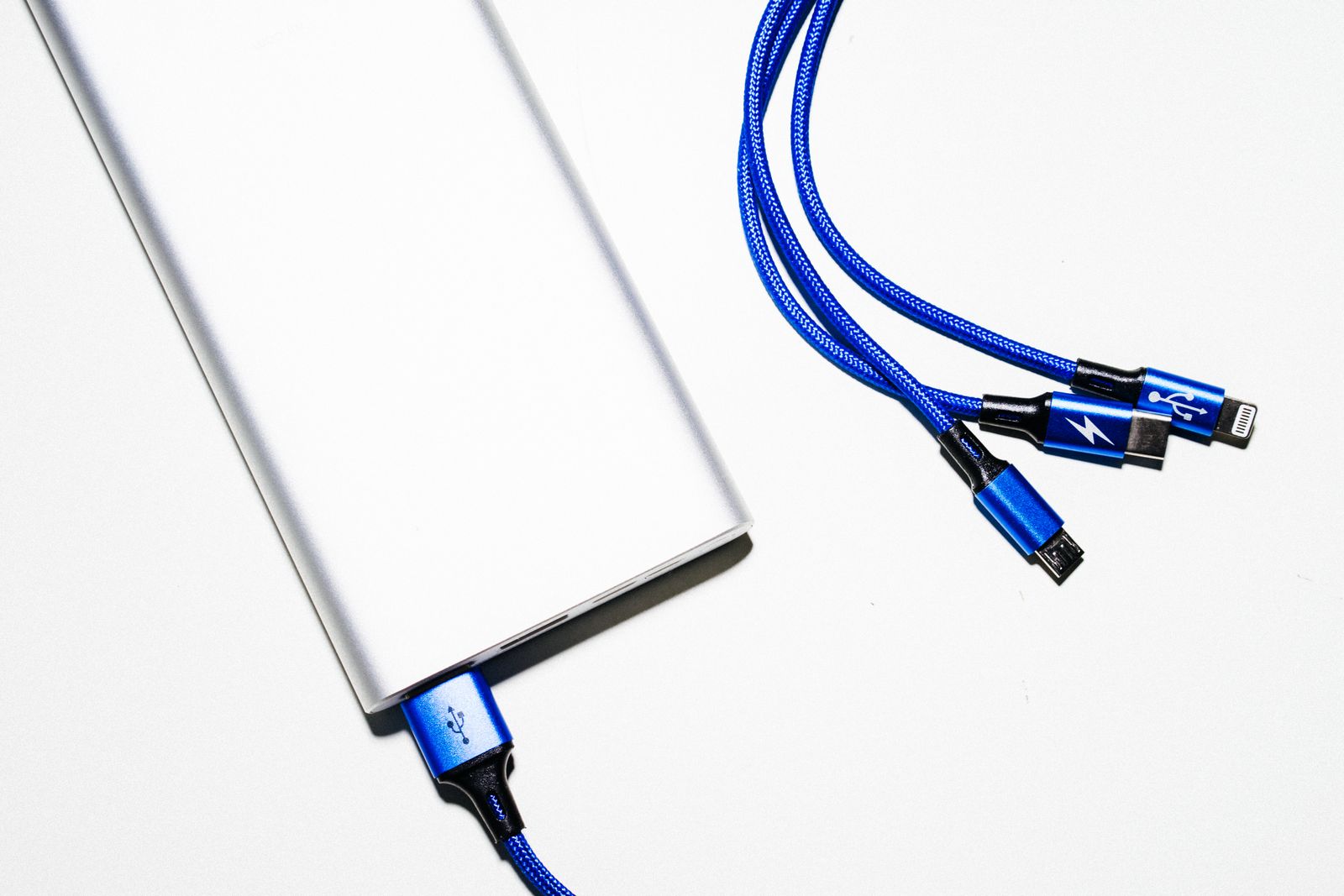
Charging uses the magnetic USB quick charger, and High Beam says a full charge takes under three hours. When the cable is connected properly it glows blue. If it does not glow, you are not getting power.
While charging, the boot lights blink. Depending on how flat the battery is, one or both may take up to five minutes to start blinking. When the blinking stops, the battery is full. It is a simple system, and the lack of a fiddly port is a real plus for gear that gets wet and muddy.
Storage mode
Storage mode is the feature we like most. Press the power button to switch it on and High Beam says the battery holds its charge for up to three months. That suits the way most people actually use these boots: a few evening hikes, then weeks in the closet.
New pairs ship in storage mode with only a small charge for quality checks. Before your first hike, press the on/off button once on each boot to wake them, then charge them fully with the included cords. If the remote seems dead, there is often a small plastic tab separating its battery that needs pulling out.
What to do when the battery fades
The battery is sealed, and High Beam does not describe a user-replaceable cell. That is good for waterproofing and bad for longevity, because every rechargeable battery loses capacity over the years. Ask the brand about battery service before you buy, and carry a backup light regardless.
Waterproofing, Comfort and Trail Build
Night hiking boots still have to be good boots. Lighting is useless if your feet are soaked or blistered by mile three.
Is a High Beam LED light hiking boot waterproof?
High Beam describes its light module and battery as completely sealed and water-proof, and its technology page highlights a waterproof system and field testing. The Night Owl is labeled waterproof on the brand’s own product images. The Ridge Runner uses a water-resistant mesh instead, which balances wet weather against breathability.
The safe reading is this: the electronics are sealed, but not every upper is a fully waterproof boot. If you hike through streams or long wet grass, pick a model the listing calls waterproof and treat the shoe-style Ridge Runner as water-resistant only. Do not machine-wash any lit footwear; wipe it clean and let it air-dry.
Comfort and support
High Beam markets its footwear as built for comfort first, with lightweight and breathable materials. The Ridge Runner’s dual-density EVA midsole and lugged rubber outsole are standard features on good trail shoes, which is reassuring.
For ankle support on rough ground, choose one of the mid-cut boots. Pair them with poles on steep descents in the dark; our guide to wooden hiking sticks explains how a stick adds a third point of contact when your depth perception is reduced.
Weight
High Beam does not publish weights for its hiking boots. The light module and battery inevitably add some weight at the toe, and weight on the foot costs more energy than weight on the back. If you are weight-sensitive, try them on and walk around with them before committing, which the brand’s return policy allows.
High Beam LED Light Hiking Boot vs Headlamp vs Clip-On Shoe Lights
The real question for most buyers is not which High Beam model to pick, but whether lit boots beat the lights they already own. Here is how the three main options compare on the things that matter after dark.
| Factor | LED hiking boots (High Beam) | Headlamp | Clip-on shoe lights |
|---|---|---|---|
| Light position | Toe, ankle height | Forehead, eye level | Laces or toe |
| Shows trail texture | Very well | Poorly | Well |
| Follows your gaze | No | Yes | No |
| Red night-vision mode | Not on hiking systems | Common | Some models |
| Published lumens | No | Yes, usually | Sometimes |
| Power | Sealed rechargeable | Rechargeable or AAA | Usually AAA or USB |
| Works in camp or tent | Poorly | Very well | Poorly |
| Rough price range | $60 to $200 | $20 to $150 | Under $10 to $60 |
Where LED hiking boots win
The boots win on depth and convenience. Low light shows every root and rock in relief, and there is nothing on your head to bounce, slip or squeeze. If you often finish day hikes after sunset, a lit boot means you always have a light, even on the days you forgot to pack one.
They also leave your hands and head free. That is helpful for hunters who need to keep a hat and hood clear, and for anyone who finds headlamp straps uncomfortable over hours.
Where a headlamp still wins
A headlamp wins on almost everything else. It points where you look, so it lights trail markers, signposts and the branch at face height. Good models publish lumens and runtimes you can trust, many offer a red mode, and you can use one to cook, read a map or find your sleeping bag.
There is also the night vision issue. The US National Park Service advises that a red flashlight or headlamp preserves your night vision. High Beam’s hiking systems use white light, and the red and green modes it has shown were on a prototype hunting boot, not the current range.
How clip-on shoe lights compare
Clip-on lights give you the same low angle for far less money. SneakyHunter Bootlamps, reviewed by Game & Fish, strap to the boot, run on three AAA batteries and list white, red and green modes, about 40 lumens per lamp and an average runtime of 70 hours.
The trade-off is a strap and a box on your laces that can snag in brush. A High Beam LED light hiking boot is cleaner and always there, but clip-ons work with the boots you already trust, and they offer colors the High Beam hiking systems do not.
Our take on the best setup
For most hikers, the answer is both. Use LED hiking boots or clip-on lights as the main trail light for footing, and keep a headlamp with a red mode for navigation, camp chores and backup. That combination gives you depth on the ground and a beam that follows your eyes.
Who Should Buy a High Beam LED Light Hiking Boot (and Who Should Not)
A High Beam LED light hiking boot is a specialist tool. It is brilliant for some hikers and a poor fit for others.
Night hiking boots make sense if you
- Regularly finish hikes after sunset or start before sunrise
- Walk rocky or root-heavy trails where seeing texture matters most
- Hunt, camp or walk dogs in the dark and want your hands free
- Forget your headlamp more often than you would like to admit
- Have kids who need to be seen on campground paths at night
They are probably not for you if you
- Hike multi-day routes far from a USB charger
- Need trusted, published light output for technical or off-trail navigation
- Care most about the lightest possible boot
- Already own a boot you love and would rather add clip-on lights
A sensible middle path
If you are unsure whether LED hiking boots suit you, start cheap. One of the $80 boots, or a pair of clip-on lights, will tell you within a few outings whether foot-level light suits the way you hike. If it does, the HB6000-equipped Beast is the logical upgrade.
How to Night Hike Safely in LED Hiking Boots
No light makes a dark trail safe on its own. Lit boots help you see your footing; the rest is planning and habit. These are the habits we use on every night hike.
Check the trail is open after dark
Many parks and trails close at night or limit access. The National Park Service’s night hiking safety advice is to check park and trail hours first, always carry a headlamp or flashlight for emergencies, and practice walking in the dark somewhere familiar before heading out.
Hike a route you know
Choose a trail you have already walked in daylight. Junctions that are obvious at noon disappear at night, and a boot light pointed at the ground will not show you a sign at head height. Driving to the trailhead counts too; our car hiking guide covers vehicles that handle rough access roads.
Carry a backup light
Treat your LED hiking boots as one light, not your only light. Pack a headlamp with fresh or fully charged batteries. If the boots run flat on the way down, the headlamp gets you home.
Tell someone your plan
Share your route and your expected finish time with a friend. Hiking with a partner or a small group is safer at night, and a second set of lights helps everyone read the trail.
Dress for the temperature drop
Nights get cold fast, especially in the hours before sunrise. Pack an extra layer and a warm hat even if the afternoon was hot. Our best hiking hats guide includes options that work after dark as well as in sun.
Slow down and use your eyes
Your pace drops at night, so add time to your plan. Every so often, switch to low beam or turn the boots off and let your eyes adjust to starlight and moonlight. You will be surprised how much you can see, and it saves battery.
Respect wildlife and other hikers
Many animals are active after dark. Keep noise down, give wildlife space and avoid pointing high beam into the eyes of people coming the other way. Brushing up on trail knowledge helps too; try our hiking quiz to test your safety basics.
Buying Checklist for a High Beam LED Light Hiking Boot
Before you click buy, run through this list. It takes two minutes and prevents most of the regrets we hear about lit footwear.
Confirm the light system
Check the listing for HB3000, HB4500 or HB6000. For night hiking, the HB6000 is the one you want. Only the Beast states it as standard, and the Ridge Runner offers it as an option.
Check the upper material
If you hike in wet conditions, choose a model described as waterproof. Treat mesh uppers as water-resistant.
Get the size right
High Beam has a size help page and a Fit Promise. If a pair does not fit, return it within 14 days of shipment and the brand covers return shipping to get you the right size. It also replaces incorrect or defective items and pays the shipping.
Charge before the first trip
Wake your High Beam shoes from storage mode, charge fully, and do a test walk around the block at night. Time how long the light lasts on your settings so you know your real runtime.
Plan your backup
Budget for a headlamp with a red mode if you do not already own one. It is the cheapest insurance you can carry.
How to Care for LED Hiking Boots So the Lights Last
A lit boot has more to look after than a plain one, but the routine is short. A few habits keep the electronics healthy and the uppers in good shape for longer.
Clean them by hand
Brush off dried mud with a soft brush and wipe the uppers with a damp cloth. Give the light housing a gentle wipe too, because a film of dirt over the lenses cuts how far the beam reaches. Never put LED hiking boots in a washing machine or soak them in a bucket, even with the electronics sealed.
Dry them slowly
Stuff wet night hiking boots with newspaper and leave them at room temperature. Keep them away from radiators, stoves and campfires. Direct heat can damage glues, stiffen the upper and stress the battery inside the sole.
Charge them with care
Use the magnetic cable that came with the boots and a normal USB power source. Wipe the magnetic port dry before you connect it, since grit and water on the contacts are a common reason a cable will not glow blue. Unplug the boots once the lights stop blinking.
Store them ready to go
When the season ends, charge your High Beam shoes fully and switch on storage mode before putting them away. Check them every few months and top them up, so the battery never sits flat for long. A battery that is stored empty for months tends to lose capacity faster.
Check the boots before every night hike
Before you leave the trailhead, switch the lights on, test high and low beam, and make sure both boots light up. A quick check at the car is far easier than finding a dead boot at the top of the climb. Ten seconds here is the habit that makes a High Beam LED light hiking boot genuinely dependable.
High Beam LED Light Hiking Boot FAQ
How bright is a High Beam LED light hiking boot?
High Beam does not publish lumens. It claims the HB6000 system gives over 60 feet of forward light across a 180° spread, with high beam adding up to 30 more feet. The HB3000 and HB4500 are listed at 20 feet plus.
How long do LED hiking boots stay lit on one charge?
The brand lists four to six hours for the HB3000 and the Ridge Runner, and up to 10 hours for the HB6000. Cold weather and high beam use shorten runtime, so plan around four hours until you have tested your own pair.
How do you charge High Beam shoes?
Attach the magnetic USB quick charger to the port beside the power button. The cable glows blue when power is flowing and the boot lights blink while charging. When the blinking stops, the battery is full, which takes under three hours.
Are night hiking boots from High Beam waterproof?
The light module and battery are sealed and described as water-proof. Uppers vary: the Night Owl is labeled waterproof, while the Ridge Runner uses water-resistant mesh. Check each listing before hiking through water.
Can a High Beam LED light hiking boot replace a headlamp?
Not entirely. Boot lights show the ground beautifully but do not follow your gaze, have no red mode on current hiking systems, and are awkward in camp. The NPS advises always carrying a headlamp or flashlight, and we agree.
Do LED hiking boots have a remote?
Yes. High Beam lists remote control for the HB3000, HB4500 and HB6000 systems. If the remote does not work out of the box, take the boots out of storage mode and remove the plastic tab from the remote battery.
What is storage mode on High Beam shoes?
Storage mode is a push-button setting that keeps the battery charged for up to three months. Boots ship in this mode, so press the power button on each boot to wake them before charging.
Are there kids’ LED hiking boots?
Yes. High Beam sells a Kid’s Light-Up Hiking Boot listed at $60, plus a range of kids’ light-up shoes and sandals.
How much does a High Beam LED light hiking boot cost?
Prices listed on the brand’s site range from $60 for the kids’ boot to $80 for most adult boots, $120 for the Ridge Runner shoes and $200 for the HB6000-equipped Beast.
Final Verdict on the High Beam LED Light Hiking Boot
A High Beam LED light hiking boot solves a real problem in a clever way. Low-mounted light shows trail texture better than any headlamp, the magnetic charger and storage mode are smart touches, and having a light built into your footwear means you are never caught completely in the dark.
The weak spots are just as real. There are no published lumen figures, the runtime claims disagree, the battery is sealed, and the hiking systems offer white light only. Those gaps make a lit boot a strong second light rather than a full replacement for a good headlamp.
If you hike after dark often and want night hiking boots that do the job, our pick is the HB6000-equipped Beast, paired with a red-mode headlamp for camp and backup. If you are curious but not sure, start with an $80 boot or a set of clip-on lights and see how foot-level light changes your night hikes.
Your next step is simple: check which light system the boot you like carries, then read our hiking headlamp guide to pick the backup light that completes the setup.