

Most dog friendly hikes go wrong long before the trailhead. They go wrong at the kitchen table, when someone picks a route because the photos look good and never checks the leash rules, the water sources or whether sheep graze the top field. A study of more than 900,000 UK dogs by the Royal Veterinary College found that exercise triggered 74% of heatstroke cases, and most of those dogs were out walking with their owners, not chasing anything dramatic.
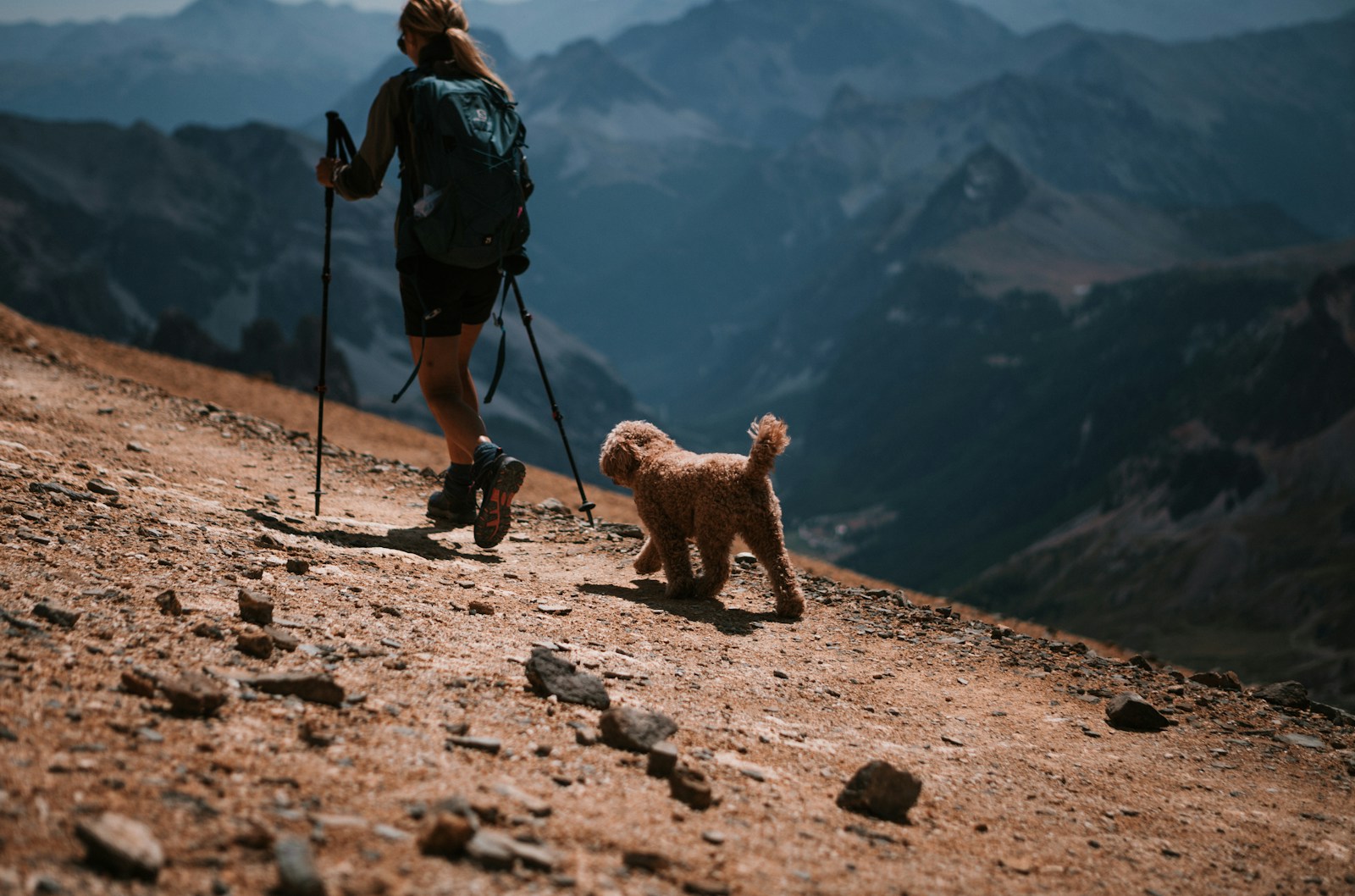
That number should not scare you off. It should change how you plan. Your dog is probably the most enthusiastic hiking partner you will ever have, and a well-chosen trail gives them something a lap of the park never can: new smells, new ground and hours of your full attention.
This guide covers everything you need to turn a vague “let’s take the dog” into a day that ends with a tired, happy animal asleep in the back of the car. You will find 12 proven dog friendly hiking trails across the UK and US, a plain-English guide to choosing a dog hiking harness, the truth about how much weight dog backpacks for hiking can safely hold, a full packing list, and straight answers to the questions owners search for most.
Why Dog Friendly Hikes Are Worth the Effort
Dog ownership keeps climbing. The PDSA Animal Wellbeing Report estimates the UK now has about 11.1 million pet dogs, the highest figure the charity has recorded, and 30% of UK adults say they own one. Around a quarter of those owners say they got their dog partly for exercise. Yet the same reports keep finding that a large share of dogs are walked for 30 minutes or less a day, which is fine for some and far too little for others.
Dog friendly hikes close that gap. A trail asks more of a dog than pavement does. It works different muscles on uneven ground, it burns energy at a steady pace, and it floods the brain with scent information that a familiar street ran out of years ago.
Is hiking good for your dog?
For most healthy adult dogs, yes. Hiking builds cardiovascular fitness and muscle, and it helps with weight control, which matters because vets in the UK and US regularly report that a large share of the dogs they see are overweight. Sustained, moderate exercise is one of the most reliable ways to keep a dog lean without cutting their food to miserable portions.
The mental side matters just as much. Sniffing is hard cognitive work for a dog. Twenty minutes of nose-down exploring on a woodland path can tire a young dog more than an hour of ball chasing, and a dog that has used its brain tends to settle better at home, chew less and bark less.
Do dogs like going on hikes?
Most dogs love it, and you can see why within the first ten minutes. A trail is a buffet of information: deer, rabbits, other dogs, horses, water, rotting leaves. Watch the tail, the ears and the loose, bouncy gait. That is a dog having a good time.
Not every dog shares the enthusiasm, though. Anxious rescue dogs, dogs with sore joints and flat-faced breeds that struggle to breathe may find a long hike stressful rather than fun. The answer for them is a shorter, flatter, quieter route, not staying home forever.
What dog friendly hikes do for the two of you
There is a quieter benefit that owners mention more than any other. Hiking together builds trust. Your dog learns to check in with you at junctions, to wait at stiles and to follow your lead across a stream. You learn to read their body language, to spot fatigue early and to understand what makes them nervous. That bond carries home with you, and it makes everyday walks easier too.
What Makes Great Dog Friendly Hiking Trails
A trail that allows dogs is not automatically a good trail for dogs. The best dog friendly hiking trails share a handful of features, and once you know them you can judge any route in a few minutes with a map and the land manager’s website.
The seven checks before you pick a route
Run through this list before you commit to any trail:
- Access rules. Are dogs allowed, and must they be leashed? Many US national parks ban dogs from most trails, while UK access land has seasonal lead laws.
- Water. Streams, lakes or taps along the route mean less weight in your pack and a cooler dog.
- Shade. Woodland and north-facing valleys stay cooler than open ridges and moorland in summer.
- Livestock. Sheep and cattle change everything about how you walk a route. Check farm maps and recent trip reports.
- Surface. Sharp scree, hot rock and long stretches of tarmac are hard on paws.
- Scrambles and ladders. Some trails include rungs, ladders or exposed steps that no dog can climb safely.
- Crowds. Busy honeypot trails at peak times mean constant passing, which stresses reactive dogs.
How to find dog friendly hiking trails near you
Start with the people who manage the land. In the UK, the National Trust, Forestry England, national park authorities and many county councils publish dog walking guidance for their sites. In the US, check each park’s “Pets” page, because rules vary hugely between parks, and remember that most national forests and many state parks are more relaxed than national parks.
Trail apps help, but treat user tags with caution. A route tagged “dog friendly” by a stranger may have been walked before a new livestock field or a seasonal ban. Recent trip reports and photos are more useful than tags. Look for mentions of stiles, gates, cattle and water, and read the reviews from the last few weeks rather than the last few years.
A quick trail rating table
Use this simple scale to compare routes when you plan your next outing:
| Factor | Ideal for dogs | Proceed with care | Avoid with most dogs |
|---|---|---|---|
| Leash rules | Off-leash allowed or long-line friendly | Leash required all year | Dogs banned |
| Water | Several clean sources | One source | None on route |
| Shade | Mostly woodland | Mixed | Fully exposed |
| Livestock | None | Occasional fields | Lambing fields in spring |
| Terrain | Soft earth and grass | Mixed rock | Ladders, scree, exposed scrambles |
12 Dog Friendly Hikes in the UK and US
These dog friendly hiking trails were chosen because they reward both of you, have clear dog rules and suit a wide range of fitness levels. Always check the land manager’s latest guidance before you go, since closures and seasonal restrictions change.
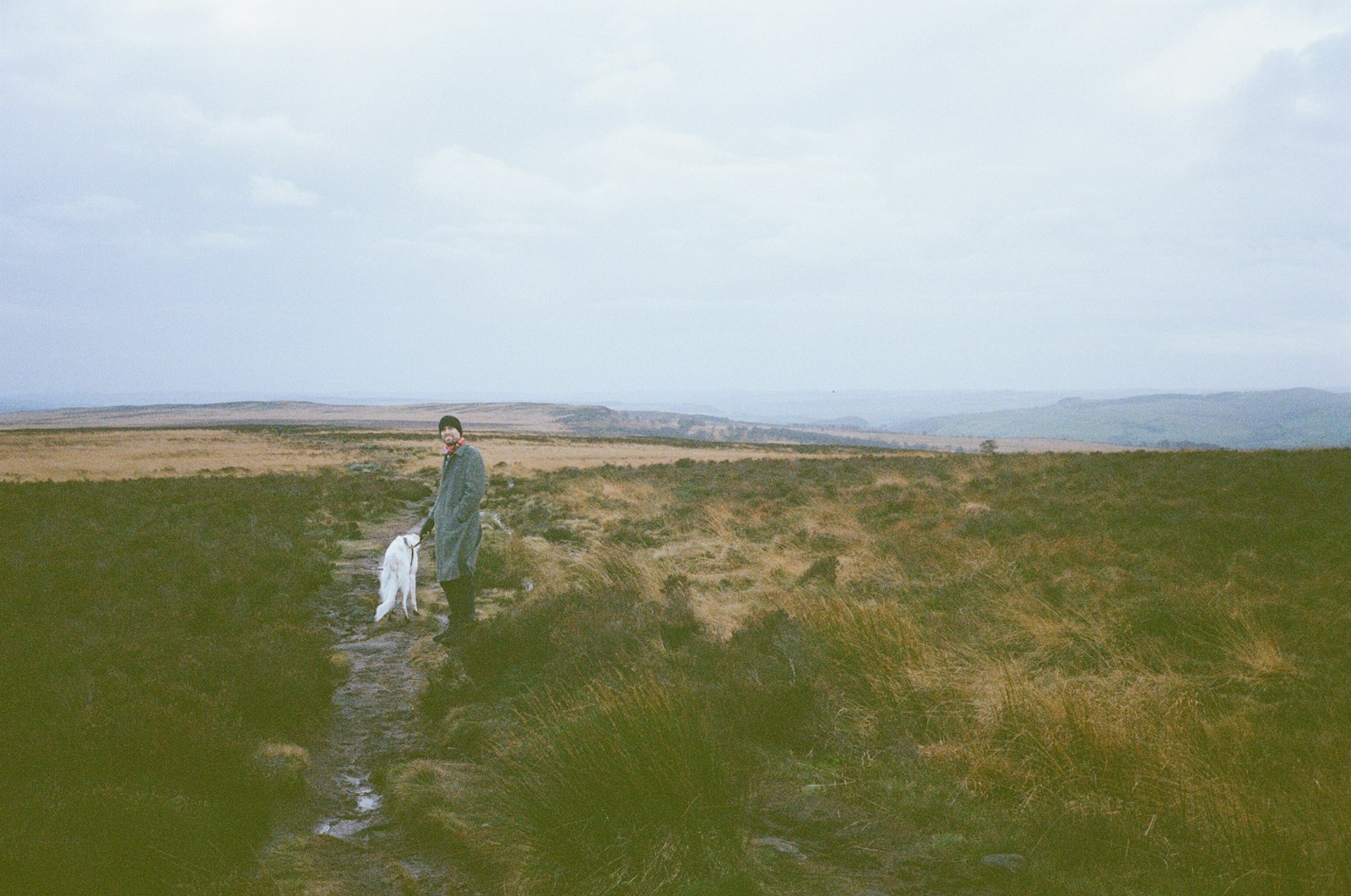
1. Tarn Hows, Lake District, England
Tarn Hows is one of the classic dog friendly hikes for dogs new to the fells. A wide, well-surfaced path loops around the tarn for under two miles, with gentle gradients, benches and views toward the Langdale Pikes. The National Trust manages the site, and you will often meet Belted Galloway cattle and sheep, so carry a short lead and use it near grazing animals. It is busy on summer weekends, so arrive early.
2. Worcestershire Beacon, Malvern Hills, England
The Malvern Hills give you a proper ridge walk without the commitment of a mountain day. Paths from Great Malvern climb to the Worcestershire Beacon, and you can extend along the ridge as far as your dog’s legs allow. Grassy tracks are kind to paws, but there is very little shade and water on top, so this is a cool-weather route. Sheep graze parts of the hills, so watch for signs.
3. Seven Sisters Cliffs, South Downs, England
The walk from Birling Gap toward Cuckmere Haven delivers some of the most dramatic views in southern England, plus a river and beach at the far end where a dog can cool off. The cliff edges are unfenced and crumbling, which makes this one of the few dog friendly hikes where a lead is about safety as much as manners. Sheep graze the downs, so keep control at all times.
4. Ashridge Estate, Chiltern Hills, England
For anyone near London looking for dog friendly hikes, Ashridge is the easy answer. The National Trust estate has miles of woodland paths around the Bridgewater Monument, plenty of shade, a café with water bowls and very few livestock fields. In autumn the beech woods turn gold, and the deer rut makes for a memorable day, though it also means keeping a close eye on dogs that like to chase.
5. Loch an Eilein, Cairngorms, Scotland
This flat loop of roughly three miles circles a loch with a ruined island castle, through ancient Caledonian pine forest. It is one of the gentlest dog friendly hikes in Scotland, suiting older dogs and puppies building stamina, and there are plenty of spots to paddle. The Scottish Outdoor Access Code asks you to keep dogs on a short lead or close at heel during the bird breeding season, and the forest is home to rare capercaillie, so take that seriously.
6. Pen y Fan, Bannau Brycheiniog, Wales
The route from Pont ar Daf to the highest summit in southern Britain is steep but short, about four miles there and back. Dogs love it, and so do thousands of other walkers on fine weekends. Sheep roam freely across the whole hill, so a lead is non-negotiable here. The summit is exposed and windy, so pack a layer for short-coated dogs.
7. Ocean Path, Acadia National Park, Maine
Acadia is one of the most welcoming US national parks for dogs, with leashed pets allowed on around 100 miles of hiking trails and the 45 miles of historic carriage roads. Ocean Path follows the granite coast past Sand Beach and Thunder Hole on mostly easy ground. The leash limit is six feet, and dogs are banned from the iron-rung ladder trails such as the Precipice and Beehive.
8. Stony Man Trail, Shenandoah National Park, Virginia
Shenandoah allows pets on the large majority of its 500-plus miles of trail, which is rare for a national park. Stony Man is a short loop of under two miles from Skyland that ends at a rocky viewpoint over the valley. It is one of the best short dog friendly hikes in the region and an ideal warm-up before longer days on the Appalachian Trail sections that cross the park. Pets are not allowed on a small number of trails, including Old Rag.
9. South Rim Trail, Grand Canyon, Arizona
Leashed dogs can walk the paved and dirt paths along the South Rim, which gives you miles of canyon views with little climbing. They are not allowed below the rim, so the famous descending trails are off limits. Shade is scarce and the high desert sun is fierce, so walk early or late, carry more water than you think you need and test the ground temperature with your hand.
10. Towpath Trail, Cuyahoga Valley National Park, Ohio
The Towpath Trail follows the old Ohio and Erie Canal for miles of flat, crushed-stone path through forest and wetland. It is one of the most relaxed dog friendly hiking trails in the US for senior dogs or long, steady mileage days, and the park has more than 100 miles of trails open to leashed pets. Expect cyclists, so keep your dog on a short lead and to one side.
11. Long Point Trail, New River Gorge, West Virginia
New River Gorge is one of the few national parks where leashed pets are allowed on every trail. Long Point is an easy out-and-back of about three miles through woodland to a rock outcrop with one of the best views of the New River Gorge Bridge. The surface is mostly soft earth, which is gentle on paws.
12. Boardwalk Loop, Congaree National Park, South Carolina
Congaree lets leashed dogs use all of its trails, including the elevated boardwalk that winds through old-growth bottomland forest. The loop is roughly two and a half miles and almost entirely flat, so it suits small dogs and older dogs. Summer brings heat, humidity and serious mosquitoes, so spring and autumn are the best times to visit.
Picking the right one from this list
If your dog is new to hiking, start with Tarn Hows, Loch an Eilein, the Towpath or the Congaree boardwalk. If they are fit and used to livestock, Pen y Fan and the Malvern ridge are rewarding next steps. Save the exposed, hot or crowded routes for when you know exactly how your dog handles distance, heat and other people.
Which Dogs Make the Best Hiking Partners?
Almost any healthy dog can enjoy a trail, but some bodies are built for big days in the hills. The difference comes down to three things: how the dog handles heat, how its joints cope with impact, and how much stamina the breed was selected for.
Which dogs are best for hiking?
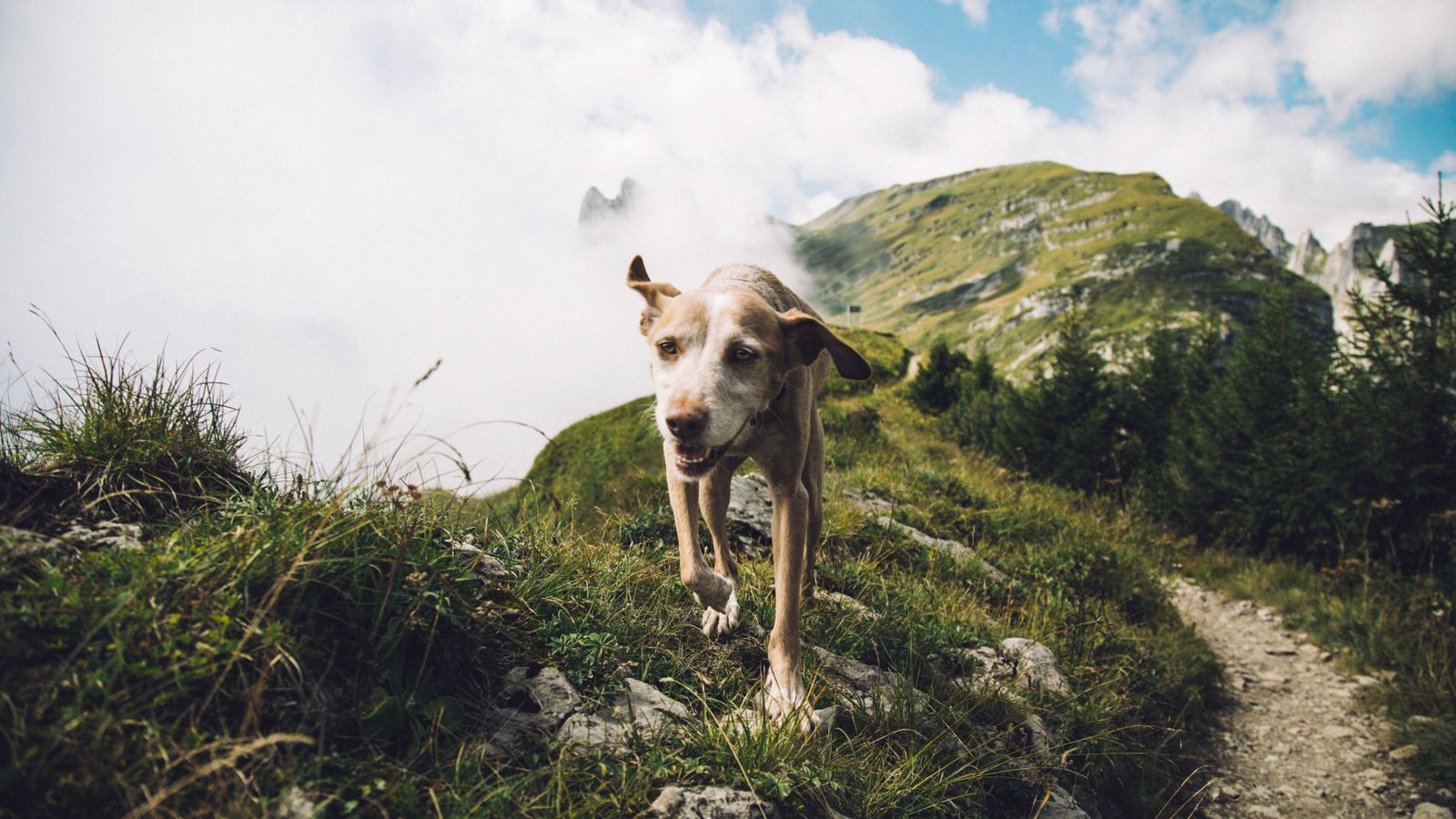
Working and sporting breeds tend to shine on long dog friendly hikes. Border Collies, Australian Shepherds, Labrador and Golden Retrievers, German Shorthaired Pointers, Vizslas, Siberian Huskies and Bernese Mountain Dogs were all bred for long days outdoors. Many terriers, especially Jack Russells and Border Terriers, punch far above their size. Mixed-breed dogs with a similar build often make superb hikers too.
A few groups need more care. Flat-faced breeds such as Pugs, French Bulldogs and English Bulldogs struggle to cool themselves through panting. Giant breeds tire faster and put more stress on their joints. Very small toy breeds can manage short hikes but may need carrying on rough ground. Puppies should stick to short, gentle outings until their growth plates close, which your vet can time for you.
Is a 3 hour walk too long for a dog?
For a fit adult dog that hikes regularly, three hours on a well-planned route is usually fine, especially with rest stops and water. For an unfit dog, a senior dog or a flat-faced breed, three hours could be far too much. The length on paper matters less than the dog in front of you.
Watch for the warning signs: lagging behind, lying down at every stop, excessive panting, a tongue that turns dark red or purple, stumbling, and reluctance to get up after a rest. Any of these means the hike is over for today. Stiffness the next morning tells you the distance was a stretch, and you should build up more slowly.
Can a dog walk 20 miles a day?
Some can. A conditioned working dog, such as a Border Collie or a trained hound, can cover 20 miles in a day over reasonable terrain, and long-distance hikers regularly walk with dogs that manage similar daily mileage for weeks. That level takes months of steady training, good paws and a cool climate. It is not a reasonable target for a typical family dog.
A useful rule is to increase your dog’s longest hike by no more than about 10 to 20 percent a week, and to follow a big day with a rest day or an easy walk. Check paw pads after every outing, and talk to your vet before attempting anything over 10 miles with a dog that has not done it before.
Building trail fitness step by step
Treat your dog like an athlete in training. Begin with walks of an hour on mixed ground, then add hills, then add distance. Practice recall in safe, enclosed spaces before you trust it on open hillsides. Introduce new gear, such as a harness or pack, at home first. Within six to eight weeks, most healthy dogs can comfortably handle half-day dog friendly hikes.
How to Choose a Dog Hiking Harness
A collar is fine for a stroll around the block, but on a trail it puts every pull, slip and sudden lunge onto your dog’s neck. A good dog hiking harness spreads that force across the chest and shoulders, gives you a handle to help your dog over obstacles and keeps them secure if they slip on a steep bank.
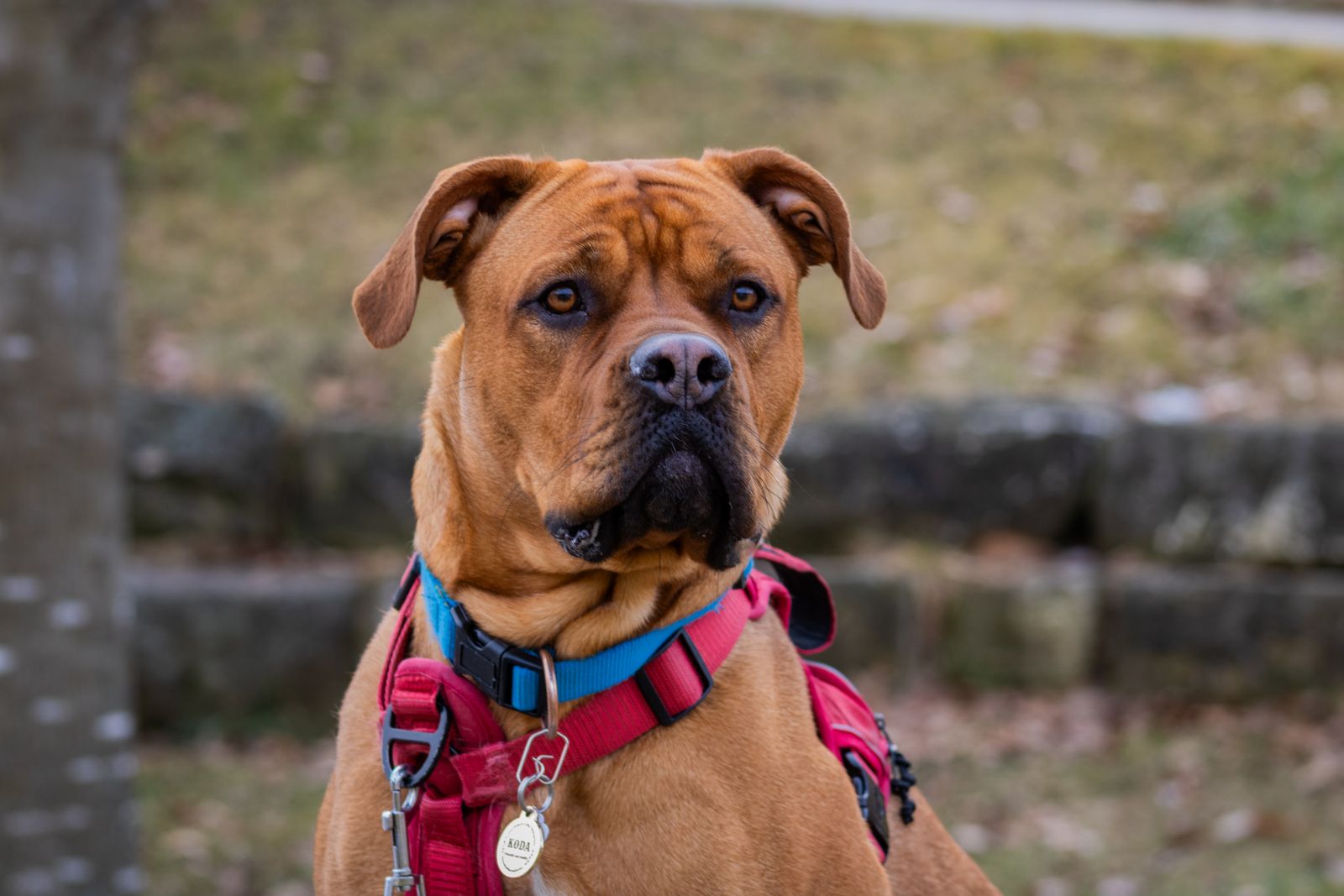
Y-front versus front-clip designs
Look for a Y-shaped front that sits on the breastbone and leaves the shoulders free to move. Straps that run straight across the front of the chest can restrict the shoulder and change a dog’s gait over long distances. Front-clip attachments reduce pulling, which helps on busy paths, while back-clip attachments are more comfortable for dogs that already walk nicely.
Many trail-focused harnesses offer both, so you can switch between them during a hike. A clip at the back is also more comfortable when you use a hands-free waist leash on long, quiet stretches.
Features that matter on the trail
Prioritize these features when you shop for a dog hiking harness, because the best dog friendly hikes include stiles, streams and steep banks:
- A sturdy grab handle on the back to lift or steady your dog over stiles, rocks and streams
- At least four points of adjustment for a snug, rub-free fit
- Padding at the chest and belly that does not soak up water like a sponge
- Reflective trim or a light loop for dawn and dusk walking
- Quick-release buckles you can open with cold or gloved hands
- An escape-resistant design with a second belly strap for nervous dogs
Getting the fit right
To size a dog hiking harness, measure around the deepest part of the chest, behind the front legs, and check the brand’s sizing chart. Once fitted, you should be able to slide two fingers under every strap. Walk your dog in the harness for a few days before a hike and check the armpits and chest for redness, which signals rubbing. Recheck the fit when your dog’s coat changes with the seasons.
Leashes that work with a harness
On dog friendly hiking trails, pair your dog hiking harness with a fixed leash of about six feet, which meets the US national park limit and the two-metre “short lead” required on UK access land during the nesting season. Retractable leads are a poor choice on trails because they lock poorly, snag on vegetation and give you very little control near livestock or cliff edges.
Dog Backpacks for Hiking: How Much Can a Dog Carry?
Once your dog is fit and comfortable in a dog hiking harness, a pack is the natural next step. Dog backpacks for hiking let your dog carry their own water, food and waste bags, which lightens your load and gives many dogs a sense of purpose. Some owners find that a working dog settles and pulls less once it wears one of the dog backpacks for hiking and has a job to do.
The 10 percent starting rule
The American Kennel Club recommends that a pack and its contents should generally weigh no more than 10 percent of a healthy dog’s body weight. A 20 kg dog, then, starts with no more than 2 kg in total. Some experienced owners and trainers go higher for large, conditioned breeds, but vets typically suggest 10 to 12 percent as a sensible ceiling for most dogs, with 25 percent as an absolute maximum that very few should approach.
Puppies, seniors and dogs with joint, back or heart problems should not carry weight at all unless your vet approves it. Long-backed breeds such as Dachshunds and Corgis need particular care.
Fitting and loading the pack
The pack should sit over the shoulders and ribcage, never on the lower back or spine. Balance the load evenly on both sides, with the heaviest items closest to the body, and pack food in sealed bags so it stays dry if your dog decides to swim. Many dog backpacks for hiking now double as harnesses, with removable saddlebags, which means one less piece of gear to fit.
Introduce dog backpacks for hiking empty at home, then with a light load on short walks, and build up over several weeks. Take the pack off at long rest stops, during river crossings and any time your dog looks warm. A pack adds insulation as well as weight, which matters on hot days.
What should go in a dog’s pack?
Keep dog backpacks for hiking practical and light:
- A collapsible bowl and a bottle of water
- A meal or snack portion of food, plus treats
- Waste bags, with a sealed pouch to carry used ones
- A spare lead or slip lead
Heavier items such as the first aid kit and the bulk of the water should stay in your own pack, even on short dog friendly hikes.
How to carry a dog when hiking
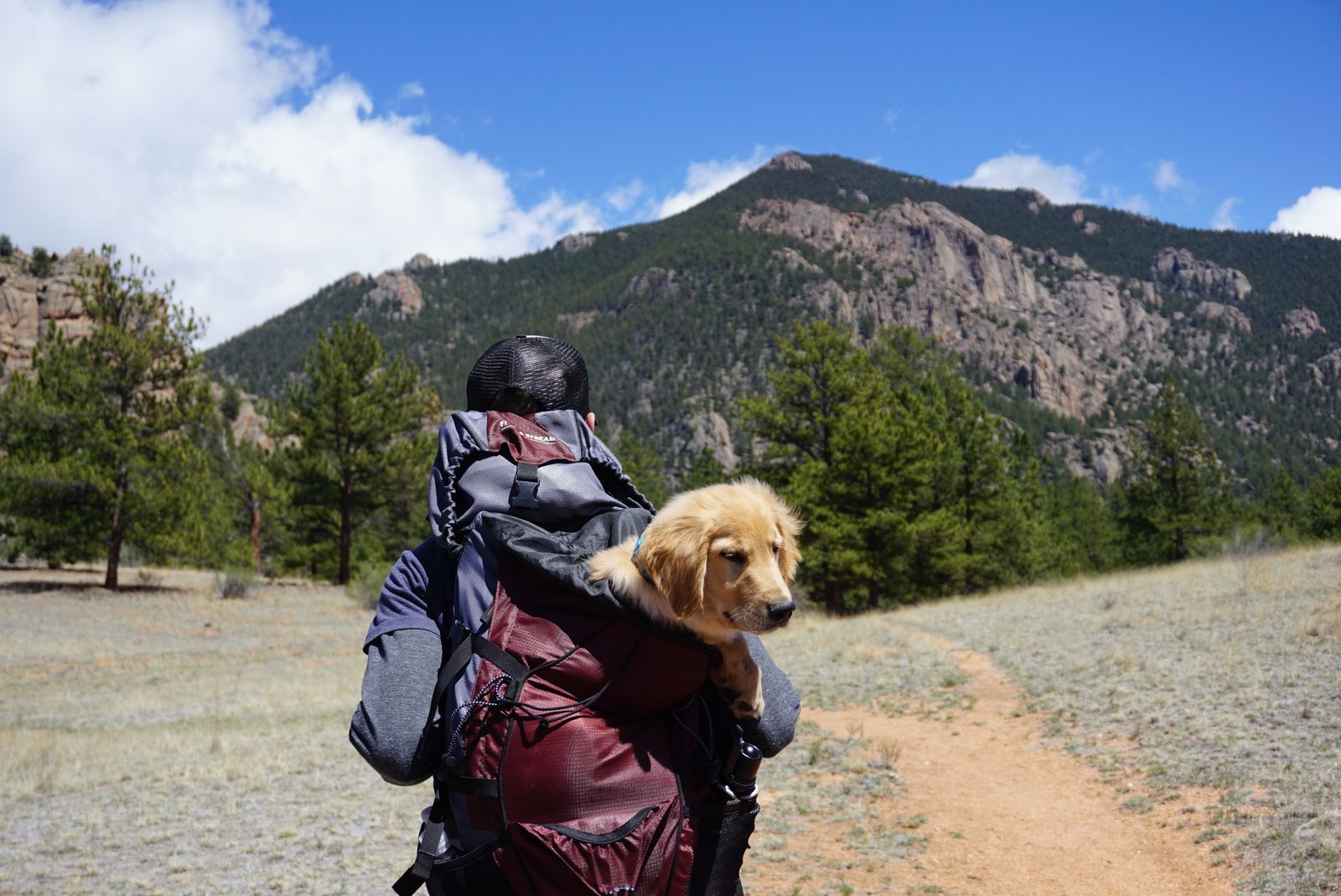
Sometimes the dog needs carrying, whether it is a tiny breed on rough ground, a senior that has run out of energy or a dog with a cut paw. For small dogs, a purpose-made carrier backpack with a seat and a safety tether is the most comfortable option for both of you. For medium and large dogs, a harness with a sturdy handle lets you support part of their weight over short obstacles.
In a genuine emergency with a larger dog, mountain rescue teams and outdoor first aid courses teach the “fireman’s carry”, with the dog draped across your shoulders, legs held in front. It is hard work, so practice at home first. For long distances, a rescue sling that turns your rucksack into a stretcher-like carrier is worth its small weight in your pack.
What to Take on Dog Friendly Hikes: The Packing List
A good packing list for dog friendly hikes stops small problems from becoming big ones. Most of what your dog needs is light, and much of it can live permanently in a dedicated pouch so you never forget it.
The essentials
These items go on every one of your dog friendly hikes, however short:
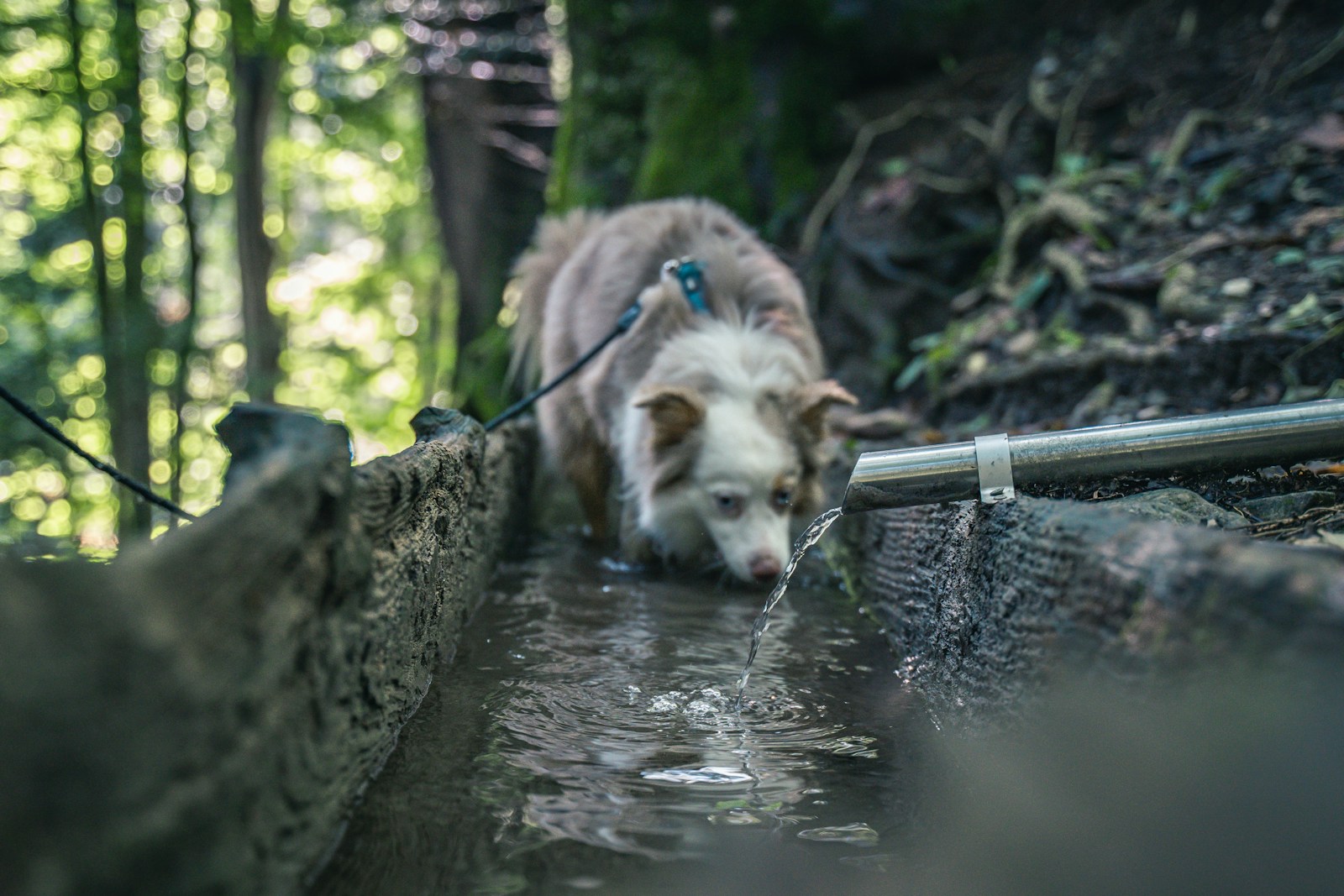
- Water: plan on about 50 to 60 ml per kg of body weight per day as a baseline, and more in heat or on hard days
- A collapsible bowl, or a bottle with a built-in trough
- Food or high-value treats for energy and recall rewards
- Waste bags, and a sealed container so you can carry them out
- A fixed leash and a well-fitted dog hiking harness
- An ID tag with your mobile number, plus a microchip with up-to-date details
- A towel for drying off, which also works as a pressure bandage in a pinch
A canine first aid kit
Build a small kit and keep it in your pack on all dog friendly hiking trails:
- Tick remover and a small pot to store ticks you find
- Self-adhesive vet wrap and non-stick wound pads
- Saline wash for flushing eyes and cuts
- Tweezers for thorns and splinters
- A lightweight dog boot or sock to protect an injured paw
- Your vet’s phone number and the nearest out-of-hours clinic
Seasonal extras
In summer, add a cooling vest, extra water and a plan to hike in the early morning. In winter, add a waterproof coat for short-coated or thin dogs, paw balm to stop snow balling between the toes, and a light on the harness for short days. If you will be out after dark, a red-mode hiking headlamp helps you check your dog without blinding them. For your own gear, our guide to the best hiking hats covers sun and rain protection for long days outside.
Gear that helps you as well
Steep, muddy trails are easier with a stick in one hand and a lead in the other. A strong wooden hiking stick gives you balance on descents when a dog pulls unexpectedly. If you plan a winter walk that may finish in the dark, read our guide to the best hiking headlamp choices before you go.
Staying Safe and Respectful on the Trail
The best dog friendly hikes are the ones you get to repeat, and the best dog friendly hiking trails stay open because owners behave well. That depends on keeping your dog safe and keeping landowners, farmers and other walkers happy to see dogs on their paths.
Heat is the biggest hidden danger
On summer dog friendly hikes, remember that dogs cool themselves mainly by panting, which is far less efficient than sweating. That is why exercise causes most heatstroke cases. Walk early or late in summer, choose shaded routes near water, and stop at the first sign of heavy panting or a reluctance to continue. Test surfaces with the back of your hand: if you cannot hold it there for seven seconds, it is too hot for paws.
If you suspect heatstroke, move your dog into shade, pour cool (not ice-cold) water over them, offer small sips to drink and contact a vet immediately. Heatstroke can be fatal, and early treatment makes a real difference.
Livestock and the law
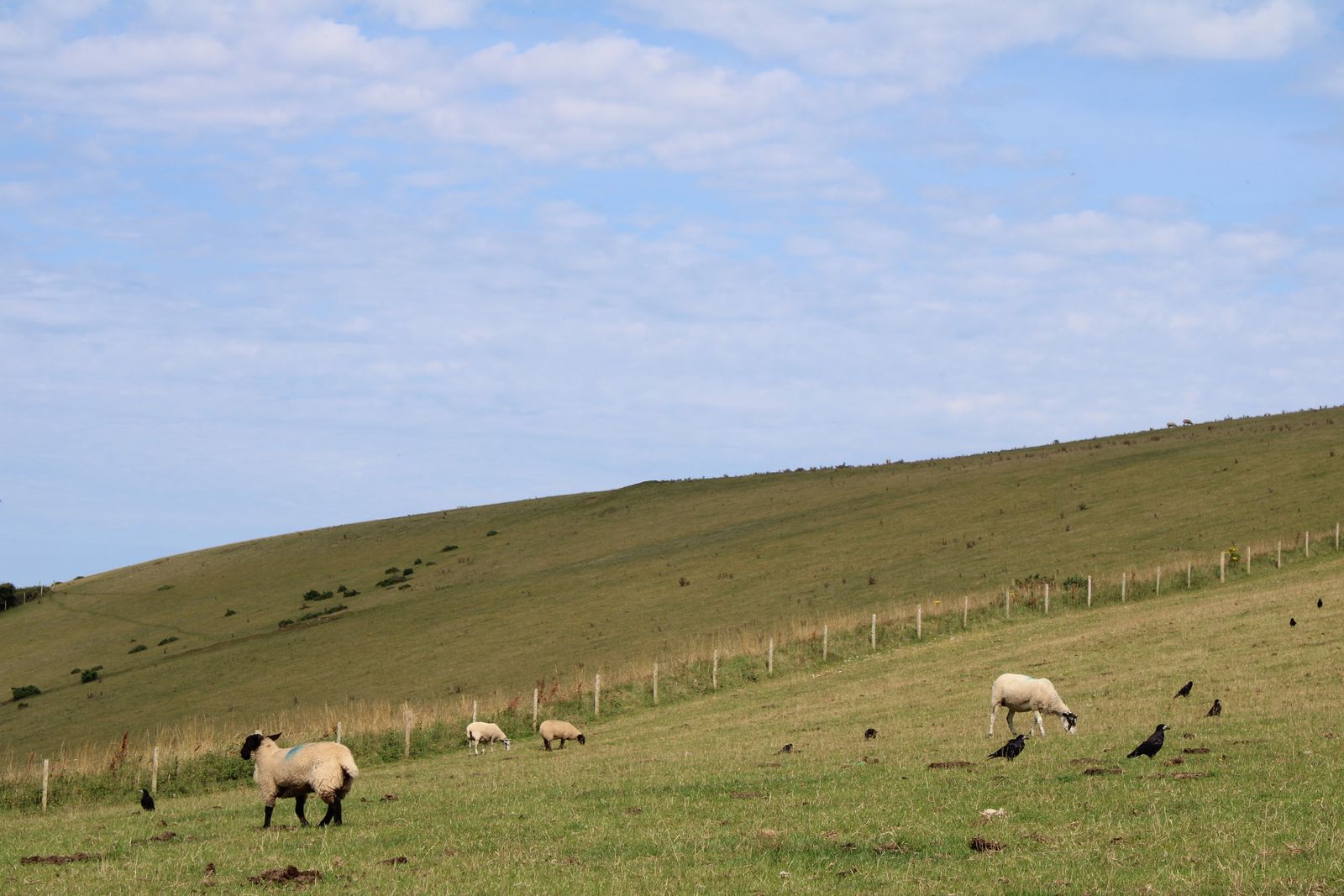
Livestock worrying is the biggest threat to dog friendly hiking trails staying open to dogs. NFU Mutual estimates that dog attacks on farm animals cost the UK about £1.95 million in 2025, and its survey found that 57% of owners let their dogs off lead in the countryside, while one in ten admitted their dog had no recall at all. Any dog can chase, regardless of size or temperament.
In England and Wales, the Countryside Code requires a lead of no more than two metres on open access land between 1 March and 31 July, and around farm animals all year. A farmer can lawfully shoot a dog that is attacking or chasing livestock. If cattle charge you, let go of the lead: your dog can outrun them, and you are safer without being dragged.
Ticks, water and wildlife
On UK and US dog friendly hikes alike, ticks thrive in long grass and bracken from spring to autumn, and they can carry Lyme disease. Use a vet-approved preventative, stay on paths where you can, and check your dog’s ears, armpits, groin and between the toes after every hike. Remove ticks with a proper twisting tool rather than pulling them with fingers.
Be wary of stagnant ponds and still lakes in warm weather, which can host toxic blue-green algae. Let your dog drink from fast-flowing streams or your bottle instead. Keep dogs away from adders basking on warm paths in the UK and rattlesnakes in parts of the US, and never let them chase deer or ground-nesting birds.
Trail etiquette that keeps paths open
The US National Park Service sums up good dog manners with its B.A.R.K. rule: bag your dog’s waste, always wear a leash, respect wildlife and know where you can go. It works anywhere. Add a few habits of your own:
- Step to the side and shorten the lead when others pass
- Ask before letting your dog greet another dog or a person
- Never leave a filled waste bag by the path for later
- Close every gate behind you
- Give horses and riders plenty of space and talk calmly so the horse knows you are human
Getting to the trailhead
The drive matters too. Secure your dog in the car with a crash-tested harness, crate or guard, and never leave them in a parked car on a warm day. If your trailheads involve rough tracks, our guide to car hiking explains which vehicles handle muddy lanes and how to fit a dog crate into your setup.
Dog Friendly Hikes FAQ
How to carry a dog when hiking?
Small dogs are easiest in a purpose-built carrier with a seat and a safety clip, which is different from the dog backpacks for hiking that a dog wears. For medium or large dogs, use the grab handle on a dog hiking harness to support them over short obstacles, and learn the fireman’s carry for emergencies. A lightweight rescue sling is worth packing on long or remote dog friendly hikes.
Is a 3 hour walk too long for a dog?
Not for a fit adult dog that hikes often, especially with rest and water breaks. It can be far too long for puppies, seniors, overweight dogs and flat-faced breeds. Build up gradually, watch for heavy panting, lagging and stiffness, and finish early if your dog shows signs of fatigue.
What to take on a hike with a dog?
Pack water and a collapsible bowl, food or treats, waste bags, a fixed leash, a well-fitted harness, an ID tag and a small canine first aid kit with a tick remover. Add a coat in winter and a cooling vest in summer. Dog backpacks for hiking let a fit dog carry some of this.
Can a dog walk 20 miles a day?
A conditioned working dog can, after months of training, in cool weather and on kind terrain. Most family dogs should not attempt it. Increase distance slowly, follow big days with rest, check paws after every hike and ask your vet before going beyond about 10 miles.
How far away can a dog smell you?
There is no precise answer. Dogs have up to 300 million scent receptors compared with about six million in humans, and some sources suggest a dog may detect a scent several miles away in ideal wind and humidity. On a real trail, terrain, wind and weather cut that range dramatically, so never rely on scent to bring a lost dog back.
Do dogs like going on hikes?
Most dogs love hiking because trails offer new smells, terrain and time with their owner. Anxious, elderly or flat-faced dogs may enjoy shorter, quieter dog friendly hiking trails more than long, busy ones. Watch body language: a loose, bouncy gait and wagging tail are good signs.
Which dogs are best for hiking?
Border Collies, Australian Shepherds, Labradors, Golden Retrievers, Vizslas, German Shorthaired Pointers, Huskies and many terriers make excellent hiking dogs. Flat-faced breeds, giant breeds and toy breeds need shorter, gentler routes. A fit mixed-breed dog with a medium, athletic build can be the best hiker of all.
Is hiking good for your dog?
Yes, for most healthy dogs. It builds fitness and muscle, helps control weight and gives the brain hard work through sniffing, which reduces boredom-driven behavior at home. Start slowly, choose suitable dog friendly hikes and check with your vet if your dog has health problems.
Do dogs get sad if you don’t walk them?
Dogs that miss regular exercise often become bored, restless or frustrated, which can show as chewing, barking, toileting indoors or over-grooming. One missed walk will not harm a healthy dog, but a pattern of too little exercise affects both mood and health. Sniff games, puzzle feeders and training sessions help on days you cannot get out.
Final Thoughts Before Your Next Trail
The difference between a stressful day and a great one rarely comes down to the trail itself. It comes down to the planning: the right route for your dog’s fitness, a harness that fits, water you checked for in advance and a lead in your hand when sheep appear over the brow of the hill.
Start small. Pick one of the easier dog friendly hiking trails from the list above, walk it on a cool morning and pay attention to how your dog handles the distance, the ground and the people. Then build from there, adding longer dog friendly hikes a little at a time, until the two of you are ready for ridge lines and summits.
Your next step is simple: choose a route for this weekend, check its dog rules today and pack the essentials tonight so you are out the door early. If you want to test what you know before you go, try our hiking quiz, and if you are planning an overnight trip with your dog, our guide to Naturehike tents will help you pick shelter with room for two.